
Opening Comparison
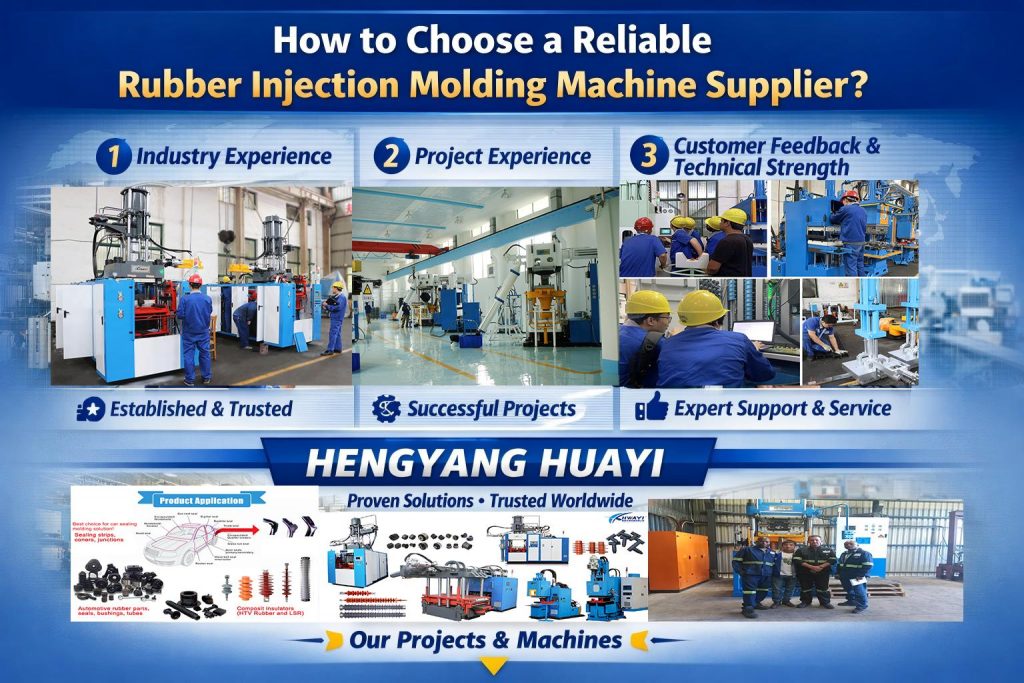
The craftsman’s choice begins with material: EPDM asks for resilience against weather and ozone; Nitrile (NBR) demands resistance to oils and fuels. In choosing a vertical rubber injection molding machine, one aligns machine geometry, injection unit capacity, and cure time control to those material personalities. For manufacturers seeking repeatable precision, the right partner—whether in design or supply—matters: explore a trusted rubber injection molding machine manufacturer to match EPDM’s elasticity with NBR’s chemical resistance through tailored clamping force and shot size controls.
Material-driven Machine Configuration
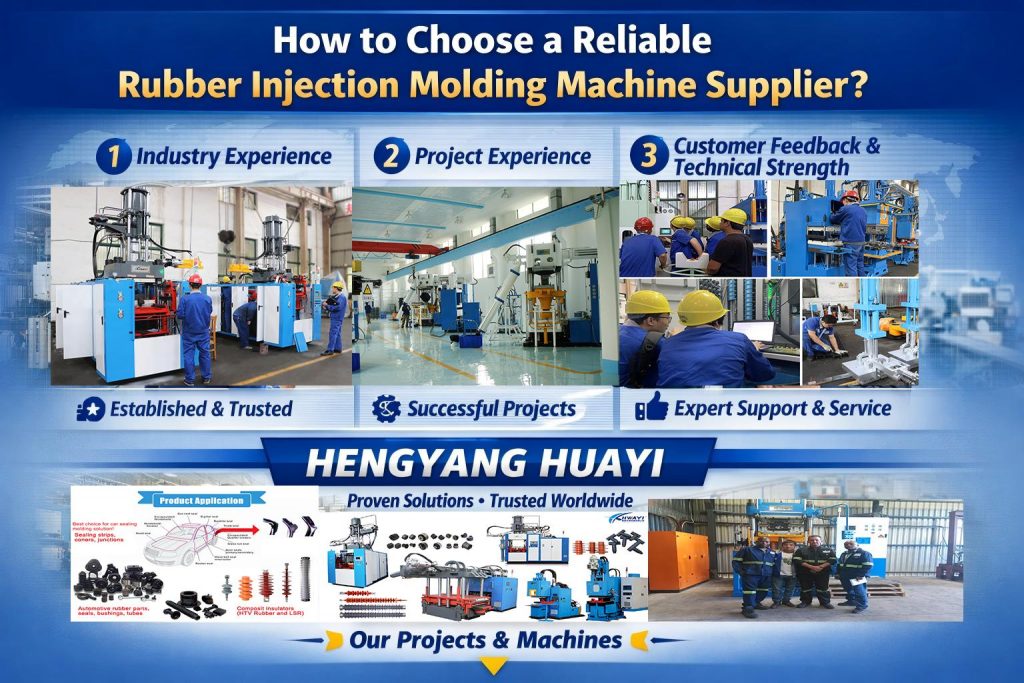
EPDM typically requires longer vulcanization cycles and benefits from uniform heat distribution; therefore, a machine with fine temperature control and a vertical platen that provides even pressure is prudent. Nitrile, conversely, cures faster yet needs stiffer injection control to avoid flash when molding thin seals. Practical adjustments include nozzle design, injection speed profiles, and precise regulation of shot size and injection pressure. Use of a robust injection unit and accurate compression ratio settings yields fewer rejects and consistent shore hardness.
Cycle Optimization and Tooling Considerations
Tooling geometry shifts between the two rubbers. EPDM, forgiving to minor flow variations, allows somewhat longer runner systems; Nitrile demands shorter flow paths and sharper gate designs to limit shear heating. Optimize cure time and cooling phases: for EPDM, uniform platen heating reduces surface blemishes; for Nitrile, shortened cycle times increase throughput without sacrificing dimensional control. Machines with modular tooling alignment and quick-mold-change capability improve uptime for mixed production runs.
Real-world Anchor and Industry Context
Automotive suppliers around Detroit adjusted specifications years ago to meet tighter OEM sealing tolerances, a clear example where machine selection influenced product acceptance on large scales. Lessons from those plants—better platen rigidity and tighter process monitoring—remain instructive. Integrating sensors for cavity pressure and temperature proves valuable when scaling from prototypes to full production, as these metrics directly correlate with part consistency and compliance to automotive standards.
Common Mistakes and Practical Alternatives
One frequent error is over-specifying clamping force without improving mold venting; the result is trapped gases and surface defects. Another is treating all elastomers the same—EPDM and Nitrile need divergent heating profiles. If a vertical press feels limiting, horizontal hybrid machines or transfer molding can be sensible alternatives for complex geometries, though they bring different tooling costs. Consult established rubber molding press manufacturers when weighing hybrid paths to ensure injection pressure and platen travel meet both material needs—this prevents costly retrofit cycles.
Process Controls and Quality Safeguards
Implement closed-loop controls on injection speed and monitor cavity pressure to reduce scrap. Automated data capture for shot-to-shot variance allows rapid correction before batches drift. Keep records of cure time, mold temperature, and shot size; these three variables commonly forecast dimensional stability. —A short pause to note: operators who respect those logs save troubleshooting hours later.
Advisory Finale: Golden Rules for Selection
1. Match machine heat control to material cure profiles: prefer vertical platen uniformity for EPDM, and rapid-response injection control for Nitrile. 2. Prioritize precise shot size and cavity-pressure feedback to ensure repeatable parts; invest in an injection unit that scales to your largest part. 3. Ensure tooling agility—quick mold changes and modular platens reduce downtime and allow material-specific optimizations. Expect measurable improvements: lower scrap rates, shorter ramp-up, and tighter dimensional tolerances when these metrics are honored.
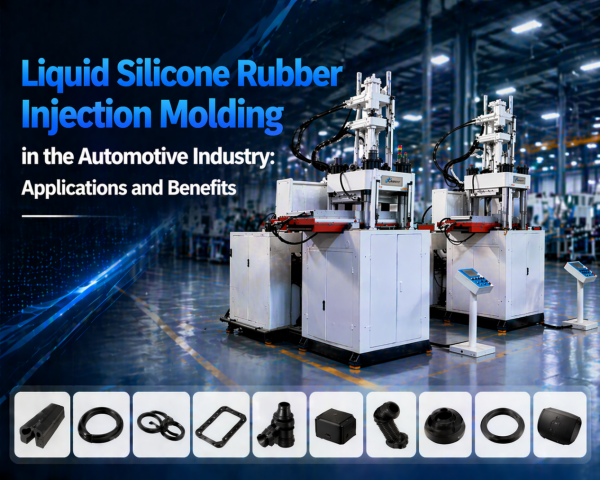
HWAYI stands as a practical solution when those metrics meet real production demands—solid machines that marry thermal control to injection fidelity, and thus answer the distinct calls of EPDM and Nitrile. —Final thought: choose the machine that understands the rubber, not merely the part.