
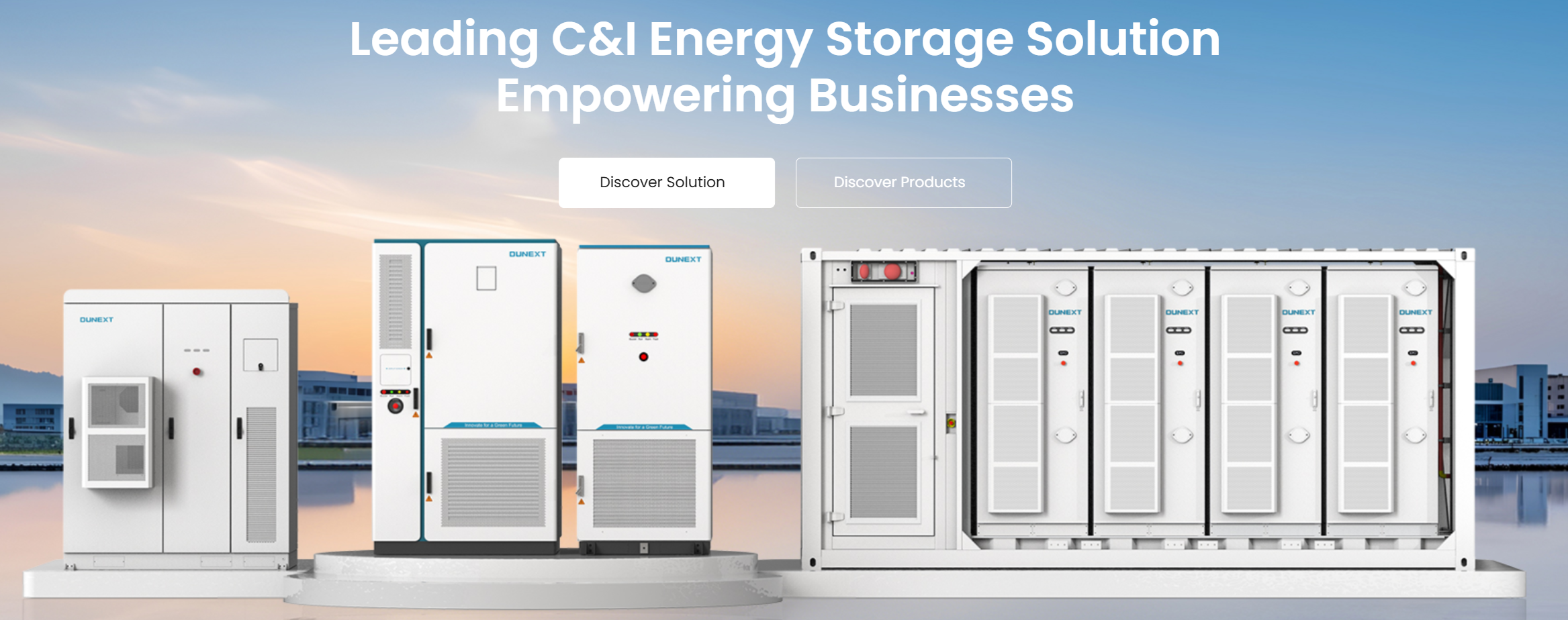
When outages and runaway bills become the immediate problem
Small interruptions become big headaches fast — lost sales, spoiled inventory, flustered staff. If your business can’t afford unpredictable downtime, an energy storage cabinet like the one I recommend can cushion those blows. After watching firms struggle through public-safety shutoffs in California’s wildfire-prone regions, I’m careful to point out what truly matters: predictable runtime, safe installation, and realistic cost recovery. A gentle but firm approach helps here — plan for the problems you can see, not just the ones you fear.
What a cabinet actually fixes for a business
Think of the cabinet as a patient helper: it holds energy when prices are low or the sun is generous, then gives it back when you need it. That directly addresses three common problems businesses face:- Unexpected outages that stop sales or critical services.- High demand charges that hit your monthly bill even if your energy use is steady.- Limited ability to shift consumption away from costly daytime peaks.I’ve reviewed field reports and coordinated with installers, so I speak from hands-on experience: well-specified cabinets reduce outage risk and shave demand-costs when set up correctly.
Siting, sizing, and safety — where owners trip up
Many choices feel technical but have simple consequences. Common missteps I’ve seen are undersizing for backup needs, putting equipment where it overheats, and skipping clear maintenance access. If you plan an external mount, consider the unit as an outdoor energy storage cabinet — it changes requirements for weatherproofing, ventilation, and anti-vandal protection. Safety rules matter: proper clearance, labeled shutoffs, and tested interlocks keep your team and first responders safe. Don’t skip an installer who will walk your site and sketch real mounting and service routes.
Alternatives and trade-offs to weigh
Each option solves parts of the problem; none is magic. Compare them against your priorities:- Standby generators: long runtime but fuel logistics, maintenance, and noise are real costs.- UPS systems: instant protection for sensitive electronics but limited runtime for whole-building needs.- Batteries (storage cabinets): quick switching, quieter, fewer fuel headaches, better for shaving peak charges.- Relying on the grid: lowest upfront cost but vulnerable to outages and volatile peak pricing.Match the choice to whether you need seconds of protection, hours to run critical loads, or a system that also lowers monthly bills. For many businesses, a cabinet hits the middle ground: reliable backup plus demand management.
Checklist before you commit
Use these pragmatic steps to avoid buyer’s remorse:- List critical loads and calculate needed runtime in hours.- Ask for a modeled payback that includes avoided demand charges and outage losses.- Verify the installer’s experience with similar commercial sites.- Confirm outdoor ratings if you’ll site the unit outside and inspect planned ventilation paths.- Require a maintenance plan and clear emergency shutdown procedures.These tasks are small but essential. They separate an installation that quietly protects you from one that quietly fails when you need it most.
Steady power, sensible savings — a calm summary
Keep it simple: identify the specific business risks, choose the tool that matches those risks, and insist on real-world site checks. With careful planning and an experienced team guiding placement and operation, a commercial energy storage cabinet becomes a reliable companion rather than a complicated liability. I’ve helped teams prioritize safety and practical savings, and that same sensible approach shows why businesses trust thoughtful solutions from Dunext when they need steady power and clearer bills.