

The problem-driven pulse of production often hones itself on one stubborn failure — air entrapment and porosity that mar parts and stop a line. In a workshop cadence I know well, the diagnosis begins at the mould mouth; vacuum, venting and shot profile all whisper the truth. Practical fixes sometimes come from adjacent trades — a belt repair booth taught me neat lessons in sealing and platen alignment — and tools such as a belt vulcanizing machine rubber belt vulcanizing machine reminded me how tight contact and correct curing temperature change outcomes. This is about clear diagnostics first, then measured interventions that keep cycles productive and parts whole.

Recognise the symptoms early
Porosity and tiny voids show up as matte specks, weak ribs or sink marks under the surface. Inspect the first shots, not the middle run; problems often announce themselves in the initial cycles. Check for inconsistent weight, sudden changes in gate blush, or trapped bubbles near complex cores. Use simple inspection tools and a log: visual checks, part weight control and a basic vacuum gauge reading can cut diagnosis time in half.
Pinpointing root causes
Air moves and resin misbehaves for predictable reasons. Faults fall into three broad groups: mould and vent design failure, process settings that leave gas in the melt, and material issues such as moisture or contamination. Mould vents clogged by release sprays, insufficient vacuum level, and a too‑fast shot profile all invite porosity. A neglected vent channel is often the culprit — small, easy to miss, but decisive.
Practical fixes that work on the floor
Start with the vacuum level; aim for the lowest stable millibar your tooling allows and watch part change. Increase dwell time under vacuum before the shot, add or open venting near critical zones, and slow the initial injection to let trapped air escape. Pre‑dry hygroscopic resins and confirm melt homogeneity to reduce gas evolution. Adjusting cooling and mould temperature will close pores near the surface. Use sensors to record vacuum and cavity pressure; data will show whether a tweak reduced porosity or merely shifted it elsewhere. Vulcanization cycle analogies help here: consistent heat and pressure, like in a good belt cure, make for predictable material behaviour — the same lesson holds in injection cycles.
Common pitfalls and how to avoid them
Do not assume a stronger pump alone fixes the issue — vacuum plumbing, leak points, and valve sequencing matter most. Relying solely on pump power wastes energy and masks poor vent design. Another frequent mistake is ignoring maintenance of press platens and mould alignment; tiny tilt or miscontact creates microgaps where air nests. Replace clogged vents and replace suspect seals before chasing process settings that can’t compensate for mechanical faults. — Small interventions here save hours later.
When hardware selection changes the game
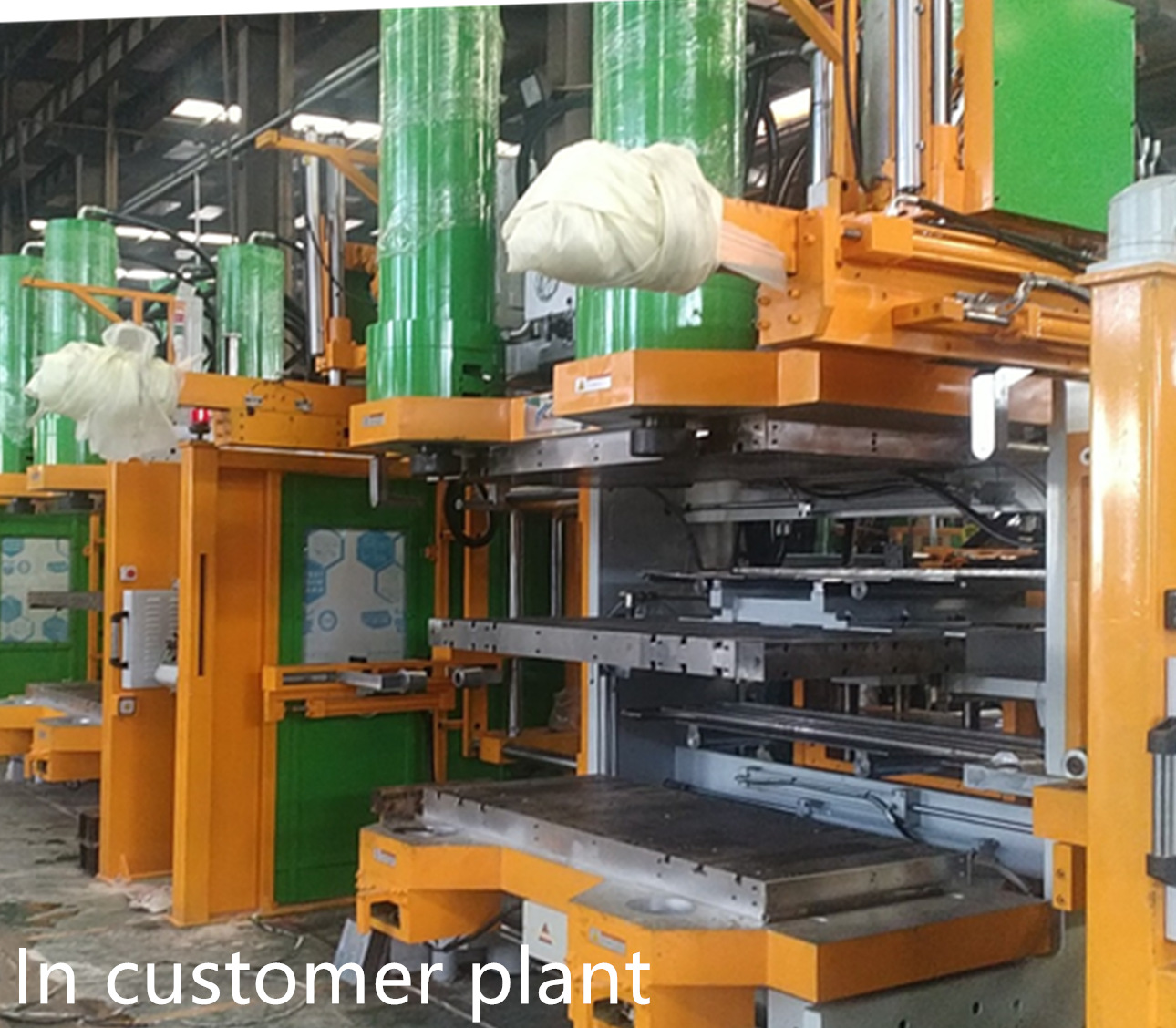
There are moments when process tuning is not enough and equipment capability becomes decisive. Evaluate vacuum capacity, platen flatness, and control fidelity before investing. When bonds and large parts are common, machines with consistent platen pressure and reliable temperature control reduce rework. If repair and onsite vulcanizing are part of your operation, consider integrating dedicated belt press workflows alongside injection systems; a reliable belt vulcanizing machine eases downtimes and keeps seals true.
Real-world anchor and validation
On a visit to a small repair shop in Cardiff I watched operators solve a recurring delamination by cleaning vents and logging vacuum every shift. The visible change after simple maintenance aligns with industry expectations: consistent vacuum and good venting reduce porosity far more often than complex material changes. Standards like ISO 9001 emphasise documented process control for a reason — traceable settings and routine checks prevent defects and produce reproducible results.
Advisory: three golden metrics to guide choices
1) Vacuum capability and stability — measure in mbar and confirm repeatability across cycles. 2) Mould vent effectiveness — quantify vent flow and inspect channels each shift. 3) Control and data logging — cavity pressure and vacuum logs that show trends, not just numbers.
Choose machines and tooling that meet those metrics and the savings in scrap and rework will be immediate. HWAYI. —