
Introduction: A Quiet Garage, A Loud Decision
You pull in after sunset, lights off, city humming low, and the house still warm with the day’s solar. A bidirectional EV charger sits in the garage, quiet, waiting to do more than fill a battery. Modern systems push round-trip efficiency into the 90% range, and millions of homes now blend solar, batteries, and EVs—real numbers, real impact. But here’s the catch: which charger you choose changes how your home rides through storms, peaks, and price swings (and your peace of mind). Can your setup support vehicle-to-home and grid services without noise, lag, or wasted power?
We compare trade-offs because the wrong choice locks you into dated control loops, hot power stages, and firmware that can’t keep up with tariffs. The right path is not always the most obvious—funny how that works, right? Let’s unpack the less visible costs, then look ahead at what’s coming next.
Deeper Look: Where Traditional Designs Falter
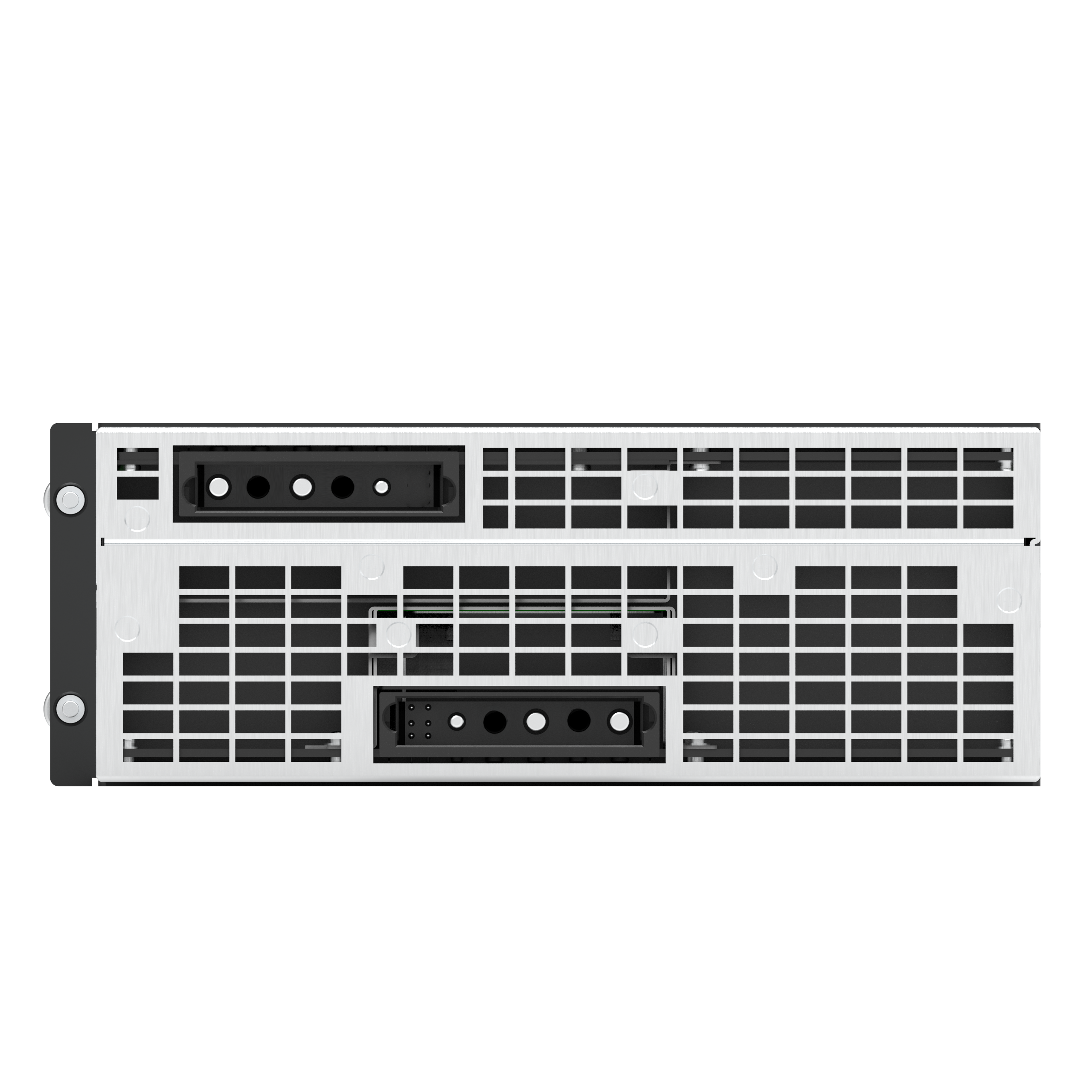
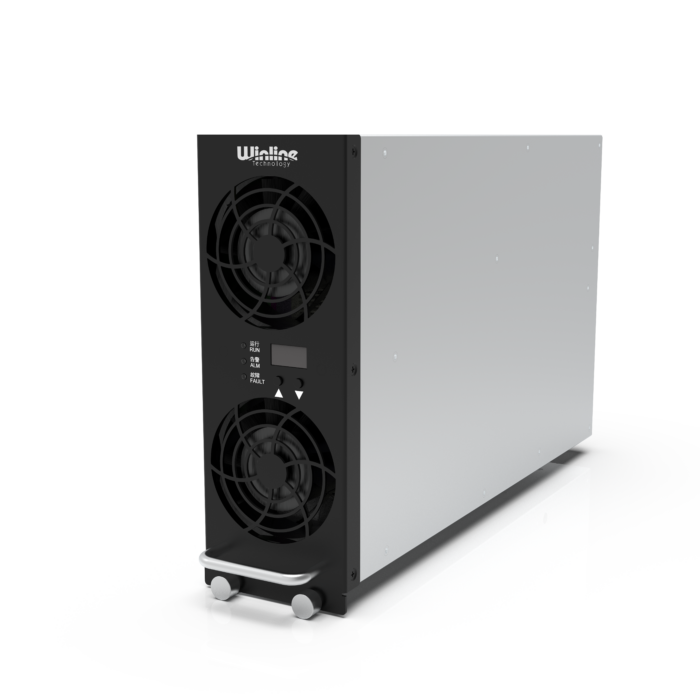
Start with the 20kw EV charger module 10 as a reference point, then consider where legacy gear falls short. Many old-school power converters rely on oversized magnetics and slower control loops. That means higher ripple on the DC bus, audible noise, and heat that stresses components. Add in rigid PLC stacks without ISO 15118-20 features and you get lag during handshake, flaky V2G control, and poor telemetry. Look, it’s simpler than you think: if the firmware can’t track dynamic tariffs and state-of-charge in real time, your savings melt. Thermal management, harmonic distortion, and poor power factor compound the loss—small drips, big bucket.
What’s the real bottleneck?
Traditional designs treat the car as a load, not an active grid node. Without edge computing nodes near the meter, decisions bounce to the cloud and back. Latency grows. Demand-response windows slip. Meanwhile, relay-heavy topologies switch hard, waste energy, and raise EMI, so your breaker and neighbors notice. Missing galvanic isolation or weak insulation creeps into reliability risk. And when the control firmware is locked behind slow update cycles, you can’t adapt to new tariffs or fleet rules. In short, yesterday’s architecture fights today’s grid-tied reality.
Ahead of the Curve: Principles That Change the Game
New technology principles flip the script by putting fast intelligence at the edge and efficiency in the silicon. Soft-switching stages and SiC MOSFETs shrink losses across the efficiency curve; smart gate drivers keep switching clean; and multi-mode bidirectional inverter control aligns with both V2G and V2H scenarios. The result: lower thermal stress, tighter THD, and quieter operation under load. When the control plane supports dynamic setpoints and local forecasts, the charger modulates power in milliseconds—no waiting, no guesswork. Droop control, clean CAN bus messaging, and ISO 15118-20 make handshakes swift and stable.
What’s Next
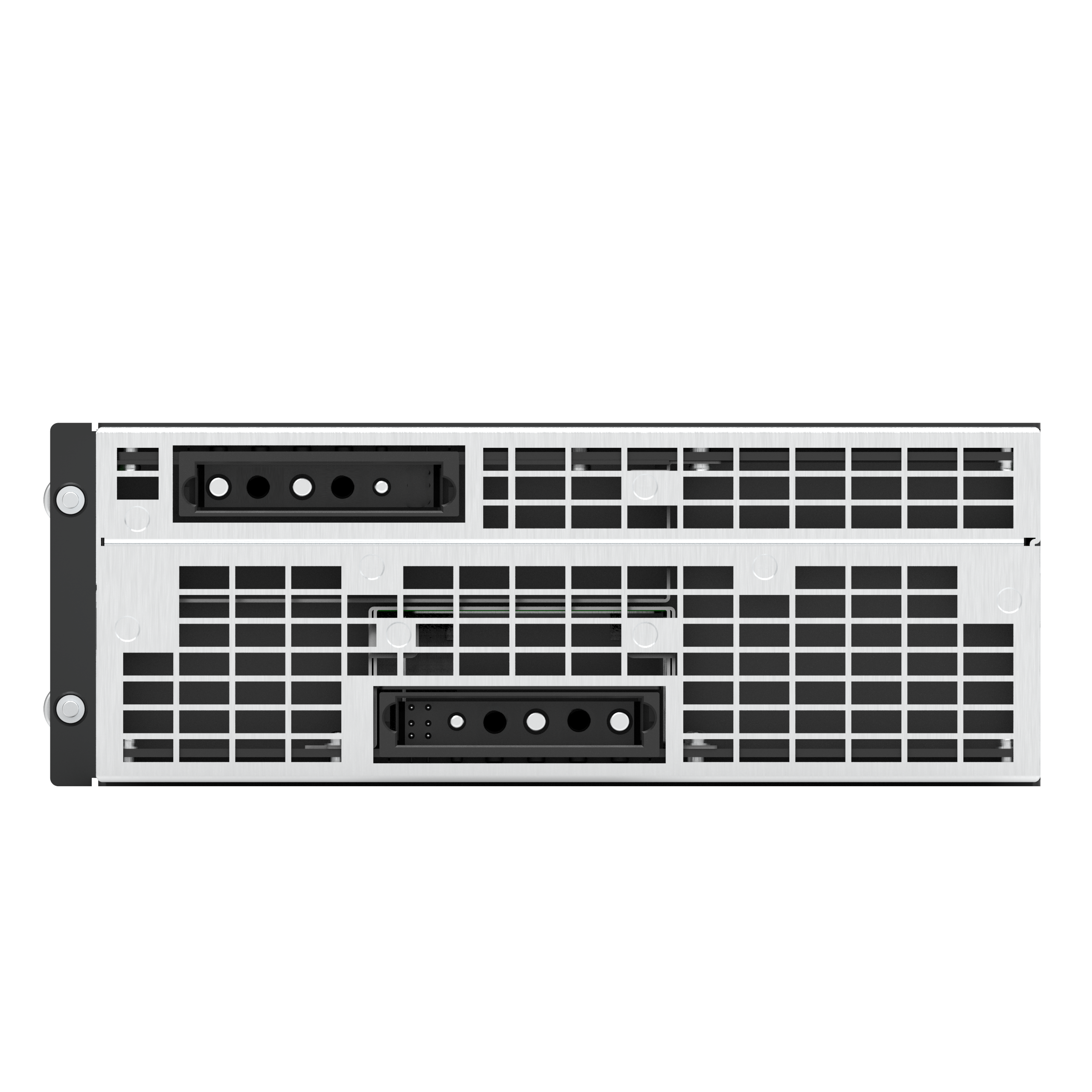
Expect modular stacks that scale from 10 to 30 kW, hot-swappable power stages, and native APIs for home EMS. Think grid-forming support during outages and seamless ride-through when the voltage flickers—resilience you can feel. In that context, the 20kW EV charging modulebidirectional charger 210 fits as a building block: isolated DC-DC, fast control, and room for firmware growth. Add cybersecurity that maps to evolving protocols, then layer predictive cooling to keep the heat sink calm on summer peaks. Small choices add up to real comfort and cost control—funny how that works, right?
How to Evaluate Your Choice
Use three simple metrics to cut through the noise. 1) Control agility: measure response time to setpoint changes and verify stable operation under rapid load steps (check the control loop bandwidth, not just a brochure line). 2) Efficiency where it matters: request the full efficiency map across partial loads, not only the peak point; confirm power factor and harmonic distortion at common operating ranges. 3) Integration depth: confirm ISO 15118-20 support, local APIs, and edge computing nodes for tariff-driven dispatch; make sure updates are safe, signed, and frequent. Choose with these in mind, and your home, car, and grid will work as one. For a grounded starting point and further specs, see winline charging station.