
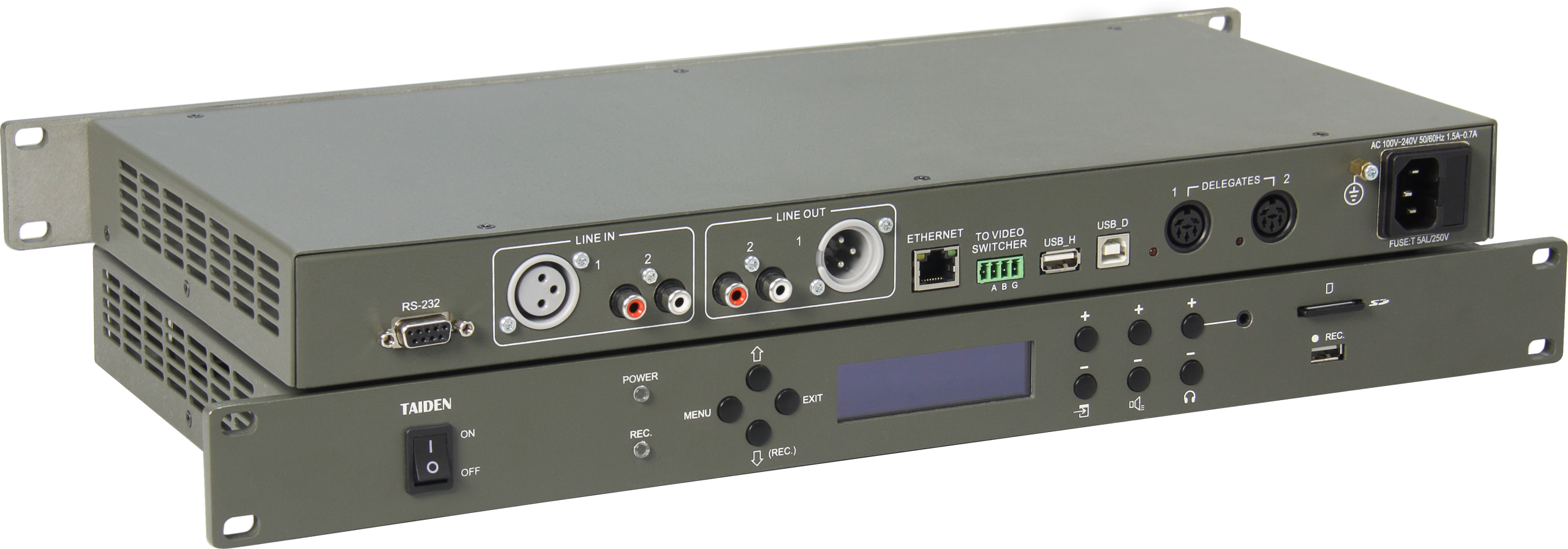
Introduction: A room goes quiet, and time slips away
A small delay can feel very large when twelve people wait in silence. The conference room speaker and microphone system is live, yet someone asks, “Can you hear me now?” Data from many teams show a steady pattern: even a 40–60 second setup delay compounds to hours per month across rooms, and clarity drops when people speak over one another. If that is common, what hidden risks sit behind our everyday meetings—latency that stacks up, uneven gain, or simply a room that fights the voice? (It seems routine, but it costs.) We will explore how these risks unfold, why they persist, and how to compare approaches with care. Please follow along to the deeper layer.

Deeper Layer: Hidden frictions in a compact path
Where do the hidden frictions live?
Let us focus on a compact approach. A compact meeting system promises fewer boxes, faster setup, and clean cabling. Yet the risks do not vanish; they move. The first risk is silent: a mis-tuned DSP pipeline can create a narrow “comfort zone” for talkers, so soft voices vanish and strong voices clip. The second risk is spatial: beamforming arrays work, but poor seating geometry breaks the pattern, and auto-mixers chase noise. The third risk is power: Power over Ethernet (PoE) is tidy, but it shares the same budget with switches and cameras; a small overload or noisy power converters can introduce hum. Look, it’s simpler than you think—until the gain structure drifts and the echo canceller runs out of headroom.
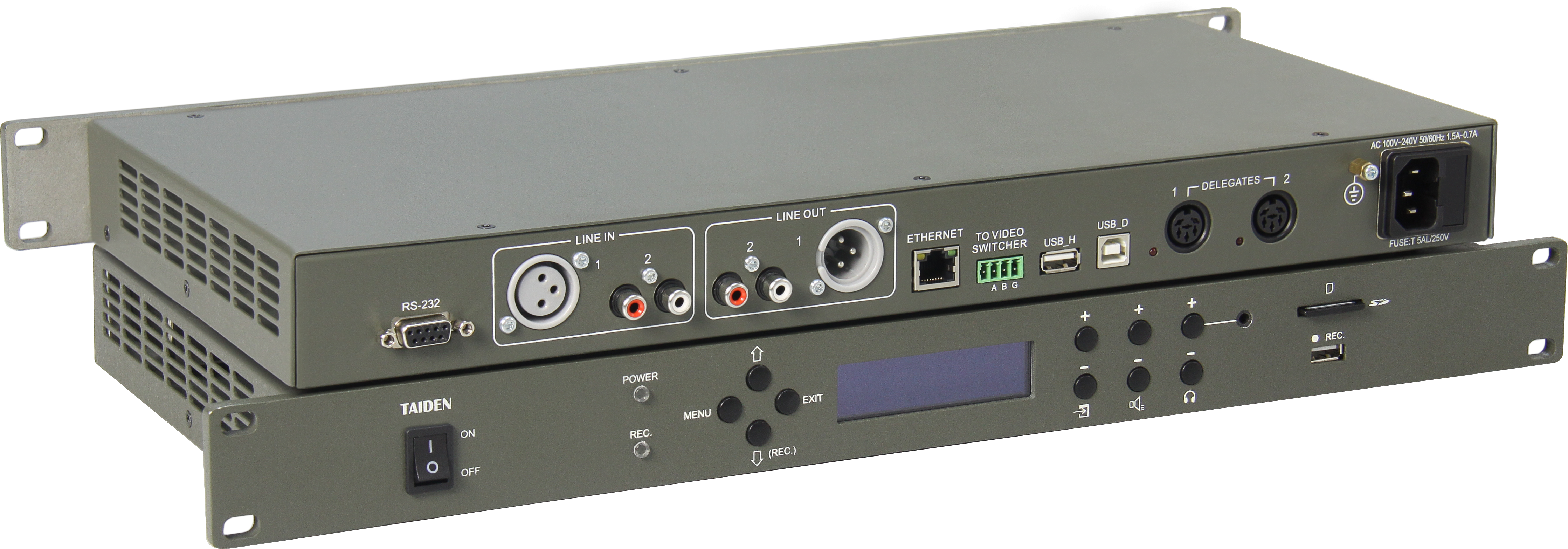
Traditional large racks hide complexity in outboard gear; compact designs compress it into firmware and profiles. That is efficient, but it raises two quiet pain points: limited per-seat tuning and opaque defaults. If you cannot see the limiter threshold or the AEC tail length, you cannot predict how a glass wall or a ceiling fan will alter performance—funny how that works, right? In practice, room acoustics, mic placement, and latency budget form a triangle. Shift one side, and the other two move. When users hear “it sounds hollow today,” they are reporting phase issues, not moods. To manage that, teams need small, reliable checks: speech level targets, noise floor logs, and a map of edge computing nodes that share the network path. Direct, simple, polite—yet technical enough to hold in daily work.
Forward Look: Principles that reduce risk before it starts
What’s Next
To move from reactive fixes to predictable clarity, we can apply new technology principles. First, adaptive beamforming must align with actual seating, not only a template—so the system should learn from live talker localization and update lobe steering in near real time. Second, echo control should be layered: fast AEC for immediate feedback loops, then slow post-filtering for tail energy in reflective rooms. Third, the DSP chain should expose guardrails, not just presets: visible loudness targets, auto gain compensation per seat, and a clear round-trip latency readout. When a compact conference system follows these rules, small rooms act big, and big rooms behave politely—less drama, more voice. And yes, the network matters—the switch QoS and jitter buffers must be sized, not guessed.
Comparatively, old stacks grew stable through isolation: separate boxes, separate knobs. The new path grows stable through integration and feedback—software learns, profiles adapt, and health metrics surface on a dashboard. This flips the risk model. Instead of chasing buzz and echo after a call, the system forecasts trouble: a rising noise floor before lunch, a seat with low SNR, a codec pushing delay beyond the talk-over threshold. That is where evaluation becomes practical. Use three simple metrics to choose wisely: 1) intelligibility under load, measured by word error rate or STI across two seats and one far site; 2) resilience of gain structure, tested with soft and loud talkers at 0.5 m and 2.5 m; 3) end-to-end latency budget, including DSP, codec, and switch hops, kept under the double-talking limit. Keep it calm; keep it visible; keep it measurable—this is how rooms stop wasting minutes and start sounding right. For thoughtful system design and product options, you may refer to TAIDEN.