
Introduction: A Short Clinic Scene, Some Numbers, and a Question
I was in a small clinic last month watching a nurse explain a new device to a worried patient — the scene felt familiar, almost like many afternoons in Kathmandu. (Namaste.) Many clinics, and many red light therapy company teams, promise calmer skin and faster healing, yet patients still ask for clear evidence. Clinical reports often show measurable drops in inflammation markers — many small trials cite reductions in the 30–60% range for targeted outcomes — but outcomes vary widely across devices and protocols. So, I keep asking: why do results differ so much from one clinic to the next?
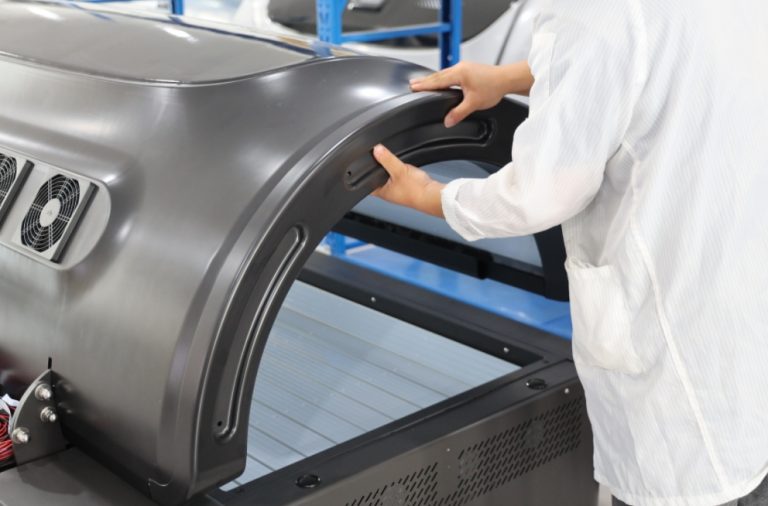
I think part of the answer is simple: people buy a product and assume it will work the same in all hands. They forget therapist training, device specs, and treatment plans. This article takes that everyday question and peels back a few layers — we’ll look at device limitations, user pain points, and how companies can be clearer about real performance. Let us move to the nuts and bolts next.
Part 2 — Technical Look at Deeper Flaws and Hidden Pain Points
Why do standard beds fall short?
Right away I want to point to one common device: the infrared red light bed. Many operators buy an infrared red light bed expecting instant fixes, but the truth is more nuanced. Photobiomodulation depends on consistent wavelength delivery, correct irradiance, and treatment duration. If the LED arrays have uneven output or poor thermal management, the effective fluence at the skin varies across the body. That means some zones get therapeutic exposure while others do not — frustrating for patients and clinics alike. Look, it’s simpler than you think: uneven light equals uneven outcomes.
From my experience, three technical gaps repeat in field use. First, inconsistent wavelength calibration: devices sometimes mix 630 nm and 830 nm LEDs without clear protocols. Second, inadequate power electronics — poor power converters or weak driver circuits yield unstable irradiance. Third, treatment protocols lack standardization: session length, distance, and angle matter, but many teams skip proper guidelines. These flaws create hidden pain points — patients get partial relief, clinics get variable satisfaction scores, and companies face returns. I must admit, sometimes I wonder — why are these basics overlooked so often?
Part 3 — Future Outlook: Case Examples and Comparative Steps Forward
What’s Next for clinics and manufacturers?
Looking ahead, I see two practical directions. First, better measurement and reporting. If a company labels a device, it should publish irradiance maps, spectral profiles, and recommended therapy protocols. Second, integration of smart sensors: feedback loops that log fluence, session time, and temperature can help clinicians tune therapy in real time. For example, an upgraded infrared red light bed with built-in irradiance sensors and simple software can cut variance across sessions. That’s not futuristic — some labs are already prototyping such systems.
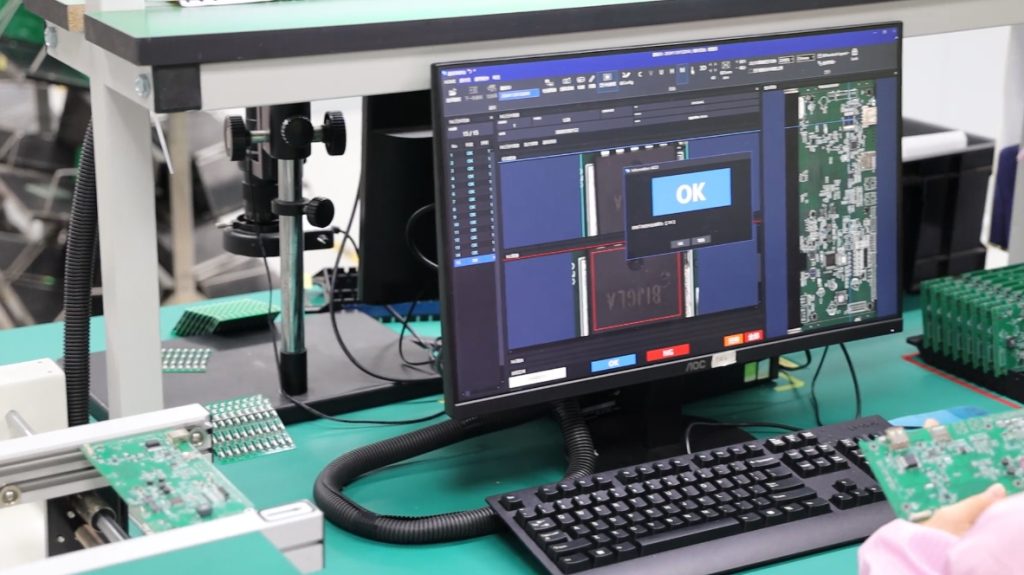
Comparatively, devices that combine clear photobiomodulation specs (wavelength, irradiance), robust LED arrays, and user-friendly therapy protocols tend to produce steadier patient outcomes. From a practical viewpoint, I advise teams to run small in-house comparisons before full deployment — A/B testing different session lengths and positions, and then documenting results. — funny how that works, right? This hands-on data helps refine protocols and reduces surprises during patient care.
To close, here are three practical evaluation metrics I recommend when choosing red light solutions: 1) Measured irradiance uniformity (report as mW/cm² maps), 2) Spectral accuracy and stable wavelengths (nm ± tolerance), and 3) Protocol clarity (documented session time, distance, and expected fluence). Use these to compare suppliers and to set realistic expectations with patients. I’ve seen clinics transform outcomes simply by insisting on these three points.
We’ve covered patient scenarios, device flaws, and clear next steps. I speak from hands-on work with clinics and from testing gear; I care that devices help real people. If you want a reliable partner for clearer specs and better support, consider taking a closer look at Magique Power — they focus on measurable device performance and practical protocols, which is what clinicians and patients value most.