
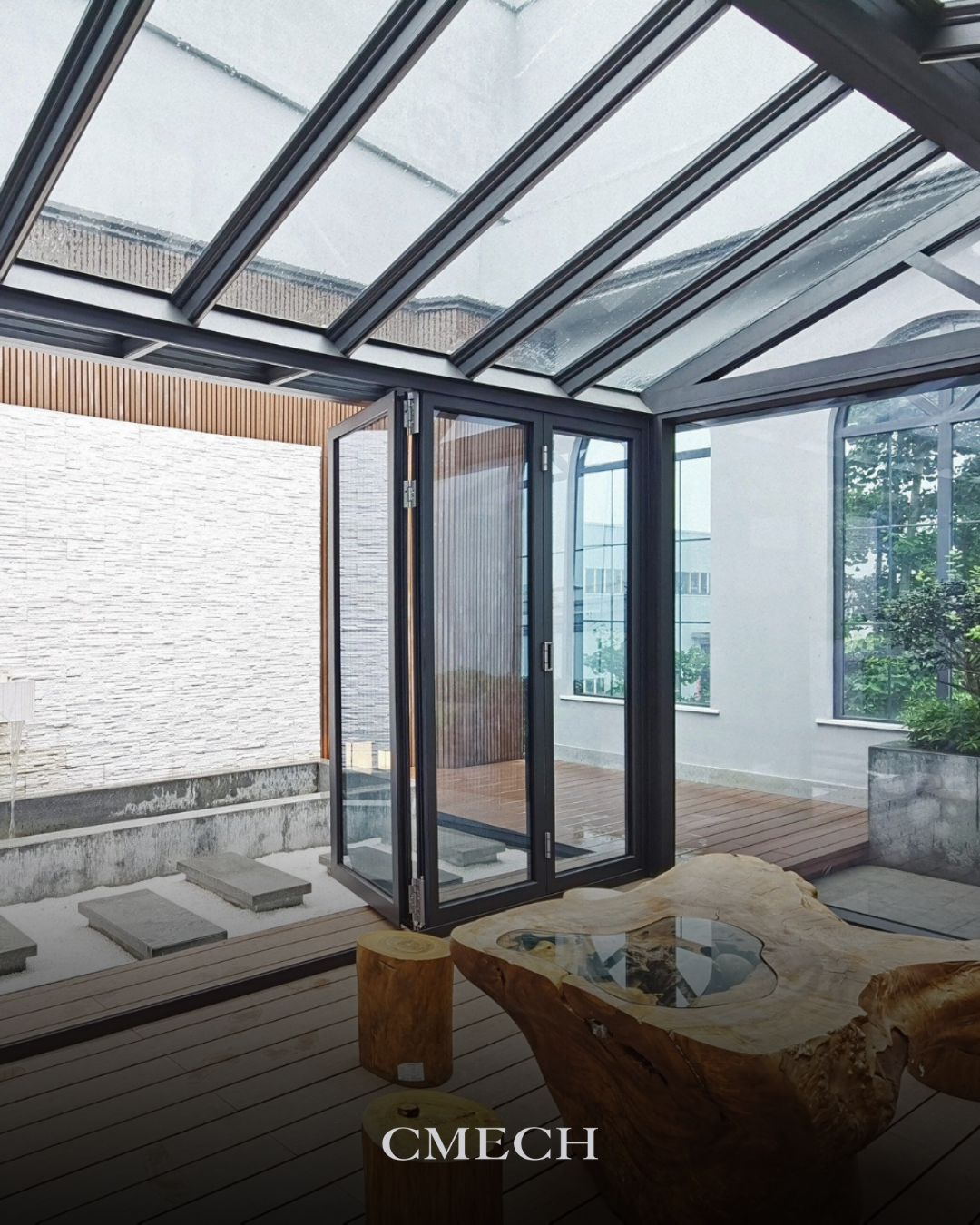
Problem-led reality: why heavy doors keep failing
Field teams in Dhaka report the same pattern every monsoon: swollen stiles, seized hinges and sagging panels. This is a problem-driven look at how corrosion, poor tolerance and ill-matched components bring down otherwise robust doors. The guidance here is grounded in field-tested expertise and practical fixes — and it begins with choosing the right components, such as a reliable casement window hardware kit, to reduce stress on the frame and pivot points. Industry terms you’ll see below include hinge, track and bearing, used where they matter most to longevity.
Common weak points and their root causes
Swing door hardware often fails at the hinge or pivot due to uneven load distribution; bifold doors fail on the track or roller when tolerances are sloppy. Salt-laden air and high humidity accelerate corrosion on exposed fasteners and lead to premature wear of bearings and rollers. In practical terms: material choice, surface finish and correct gearbox or spring selection determine whether a system endures seasonal extremes or needs constant adjustment.
Materials and mechanics that actually last
Stainless steel finishes, bronze bushes and sealed bearings are not just buzzwords — they change the failure curve. For heavy-duty performance choose fittings rated for higher cycle counts and with thicker plating or anodising. A robust roller and a precision track with tight tolerance keep bifold door hardware heavy duty assemblies aligned, while stronger hinges and a well-specified pivot keep swing door hardware true over time. Real installers will specify components that match door weight and wind load rather than picking “standard” parts.
Installation habits that save months of trouble
Correct installation is often the decisive factor. Fasteners must be torque-controlled, jambs shimmed so loads transfer into structure, and tracks set dead-level. For casement units, proper sash adjustment and sealed bearings prevent long-term leakage and binding — and if you’re retrofitting, consider push out casement window hardware designed to keep sash balance consistent under changing humidity. Avoiding over-tightening on gearbox mounts and checking hinge preload keeps wear even and predictable.
Maintenance patterns that extend service life
Routine checks on fastener torque, lubricant condition and roller alignment pay dividends. Lubricants matter: use products formulated for high-load bearings rather than generic sprays. Keep an inspection log tied to seasons — more frequent checks during monsoon months in Bangladesh, for instance — and replace sacrificial parts like rollers before they score the track. This approach reduces emergency repairs and keeps the door operating within tolerance longer.
Comparative insight: picking the right heavy-duty solution
Not all heavy-duty is the same. A marine-grade hinge resists corrosion but is heavier; a sealed roller endures but costs more. Match the specification to the use case: high-traffic commercial entryways need reinforced hinges and multiple bearings, while residential bifolds prioritise smooth rollers and discreet tracks. Where wind load is a factor, increase hinge spacing and pick pivots with proven cycles. These tangible trade-offs let you balance initial spend against predictable savings on downtime and replacements.
Three golden rules for durable hardware selection
1. Match capacity to load: size hinges, pivots and rollers for the actual door weight and expected cycle count rather than a generic rating. 2. Specify corrosion resistance by environment: choose finishes and materials that suit coastal or monsoon-prone locations. 3. Design for maintainability: accessible grease points, replaceable rollers and standard fastener sizes speed repairs and reduce custom downtime.
These rules come from onsite experience and comparative tests carried out in South Asian climates; the results are clear. When you apply them, measurable outcomes follow: fewer call-outs, more predictable life cycles and lower lifecycle cost — and that’s where a dependable supplier shines. CMECH brings those field-proven options into one stable platform — a natural fit when you want heavy-duty performance without guesswork. —