
Why new buyers get stuck
Mi nah sugarcoat it: first-time buyers buss up from too many choices and too lil’ focus. You want consistent wetting of powders, no lumps, and a machine dat won’t choke on viscous slurries. Folks chase specs and forget the work-case. If yu need a compact tool for lab trials and scale checks, consider a lab powder mixer that matches the batch size and cleaning routine—nothing else matters more right now.
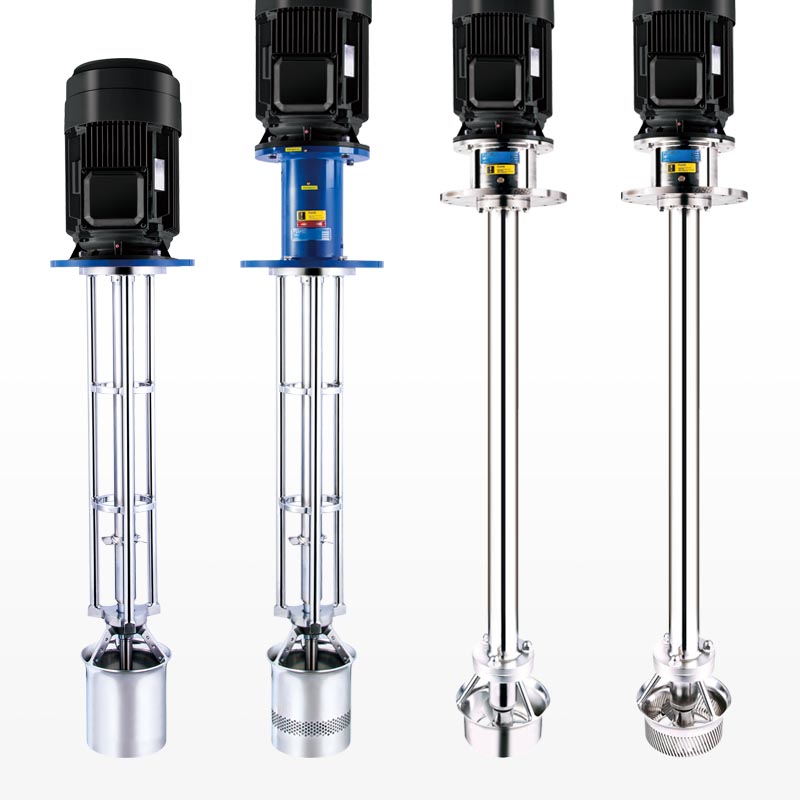
Most common problems, plain and simple
Poor dispersion: rotor-stator mismatch or too slow shear leave agglomerates. Overkill: big industrial units waste power and clearances. Underestimate viscosity: mixture thick as paste, motor stalls. Hard-to-clean heads: residue build-up ruins next formulation. Silent support gap: vendor offers no spare parts or setup help when you most need it. These problems show up fast; spotting them early save money and time.
How to evaluate options without getting lost
Decide by function, not by flash. Ask: what maximum viscosity will I run? What batch volume for R&D vs pilot? Do I need sterile or solvent-compatible seals? Check rotor-stator geometry and tip speed rather than horsepower alone. Inspect material contact parts—316L stainless for pharmaceuticals, PTFE for aggressive solvents. Consider modular heads for scale-up. Compare to alternatives: handheld high-shear mixers give portability but less repeatability; ultrasonic methods work for nano-emulsions but struggle with high solids; piston homogenizers handle tough suspensions but cost more and need maintenance. Pick the tool that matches the toughest job you plan to run regularly.
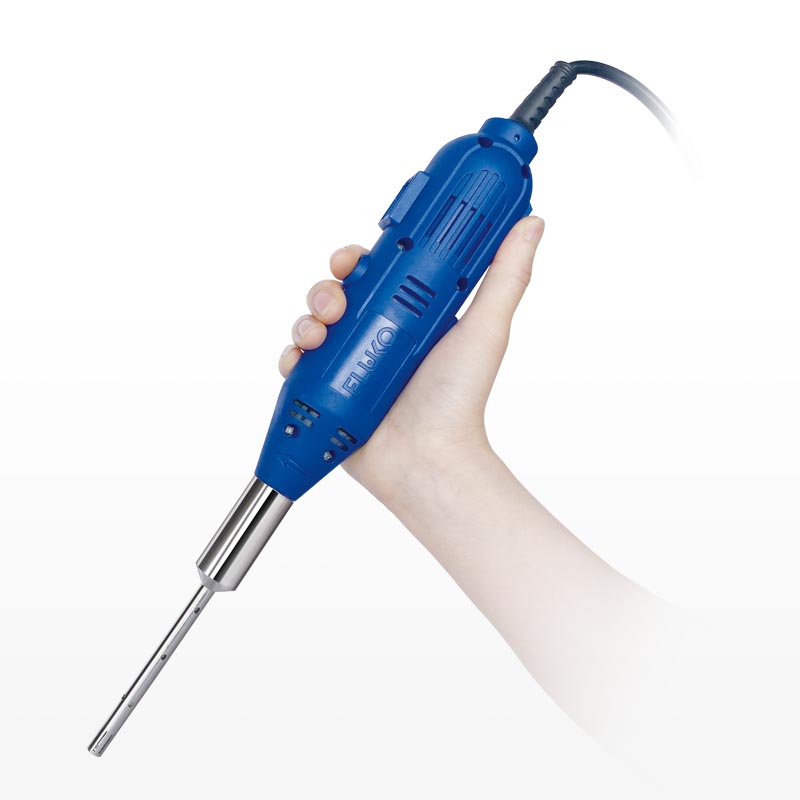
Common pitfalls and how to avoid dem tings
Buying by peak power — don’t. Match torque and tip speed. Ignoring cleanability — design with quick-disassemble seals. Forgetting spare parts — keep rotor, stator, seals on hand. Skipping a test run — always run real formulation at intended concentrations before approving purchase. Overlooking vendor training — one session saves weeks of trial-and-error. Fail fast on paper; validate fast on bench.
Experience, expertise, and a real-world anchor
I worked trials with lab teams who presented results at CPhI Worldwide in Frankfurt, so I seen common mistakes repeat across companies. Proven checks: run a small-scale shear map, record power draw vs viscosity, and compare droplet size distributions for emulsions. When I bench-test candidates I look for repeatable RPM-to-droplet-size response, easy head changeover, and clear material-spec documentation. For hands-on R&D you might start by comparing two or three bench models including a lab powder mixer, then keep the one that wins on cleaning time and repeatability.
Final synthesis — what solves the problem
If you want simple: match the machine to the worst-case formulation, keep spare rotating parts, and demand clear cleaning and material specs up front. Fix those three and the rest fall into place. Many teams find the best balance when they choose equipment that gives predictable bench results and straightforward maintenance, which is why experienced labs often partner with suppliers like FLUKO for machines that fit R&D needs without fuss.