
Executive data summary
Decisions about solar-equipped outdoor structures should start with measurable outcomes. Field reports and monitored deployments indicate that a well-designed photovoltaic pergola can deliver predictable generation, shade performance, and lifetime returns that differ significantly from rooftop arrays. This article uses empirical logic and vetted performance variables to compare designs, identify key risks, and recommend practical choices for commercial and residential projects.
Key metrics that determine success
Focus on three objective metrics: energy yield per square meter under local irradiance, structural load capacity for panel mounting, and integration costs (electrical connection, permitting, and maintenance). Prioritize measured yield normalized to orientation and tilt rather than nominal panel watts. Structural upgrades to support snow or wind loads often dominate upfront budgets and materially affect lifecycle cost. Specify clear performance targets and require third-party yield verification where feasible.
Design trade-offs quantified
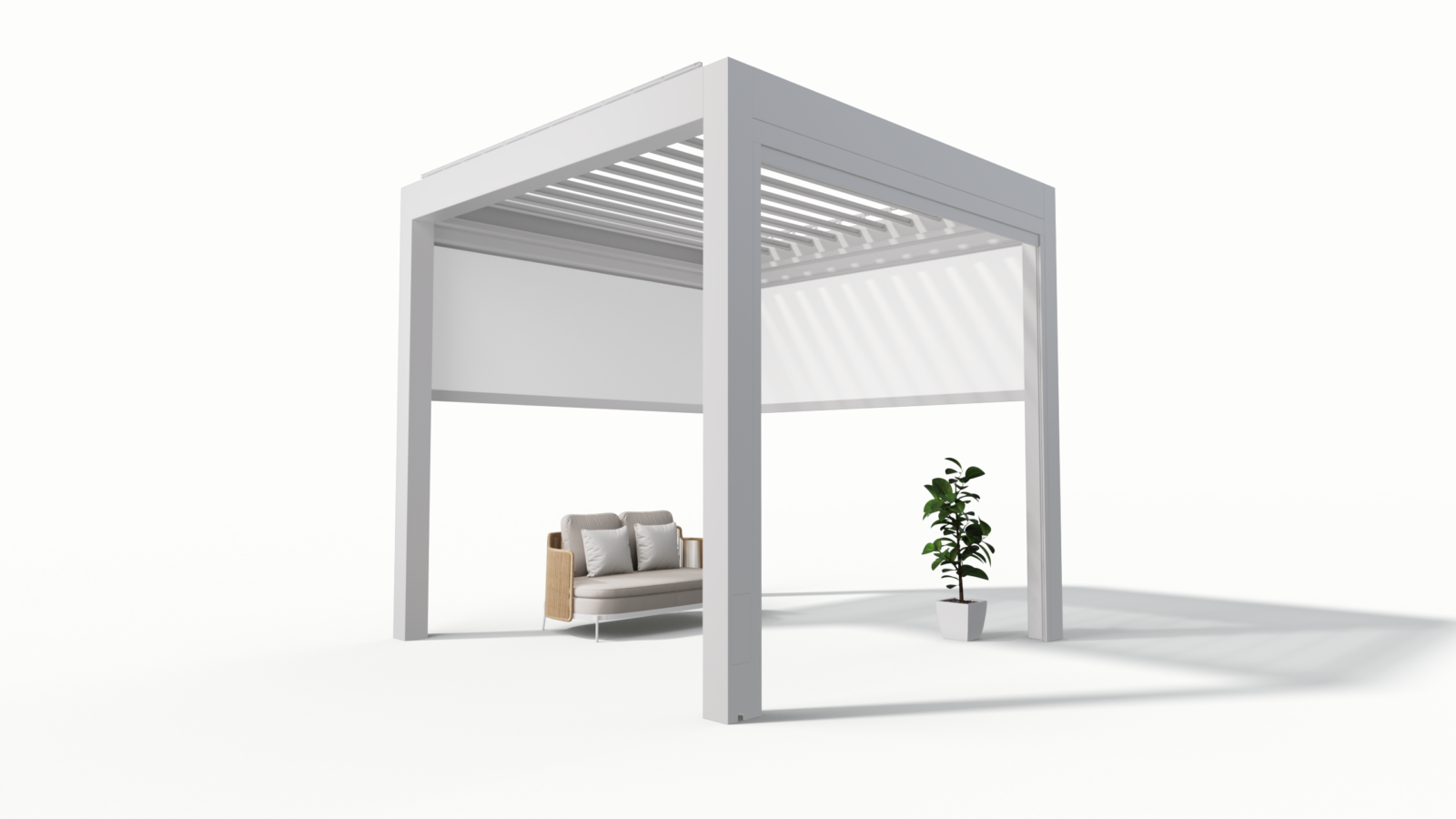
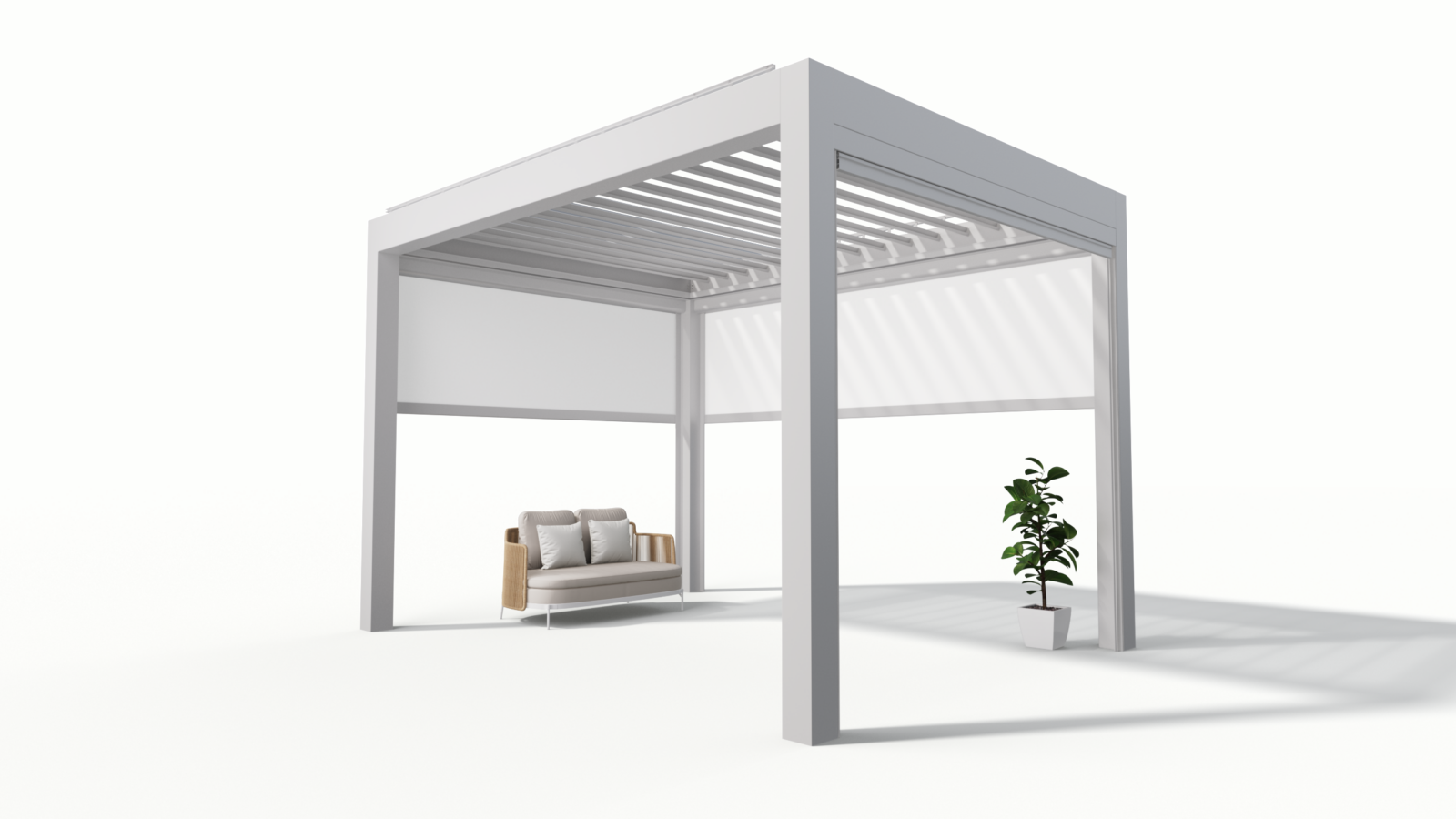
Rigid-frame pergolas with integrated rails simplify mounting and lower microinverter counts, improving system availability. Freestanding latticed designs reduce wind profile but often sacrifice optimal tilt, lowering yearly yield. Trade-offs are not theoretical: documented site comparisons show tilt-optimized fixed arrays outperform shallow-tilt pergola arrays in annual kWh per panel, while pergolas win on dual-use value (shade + generation). Select panel technology and mounting geometry to match the dominant objective—generation or amenity.
Common pitfalls and how data exposes them
Contractors frequently under-account for edge shading from overhangs and adjacent structures; even small hourly losses during peak production can reduce projected returns significantly. Electrical design errors—undersized conduits, lack of dedicated disconnects, or improper surge protection—create recurring operational faults. Neglecting accessible panel tilt for cleaning in dusty climates increases soiling losses. Implement pre-installation irradiance modeling, a structural load checklist, and scheduled yield audits to catch these issues early.
Experience, authority, and a real-world anchor
Practitioner experience from multiple utility-scale and distributed installations informs the recommendations above. Regulatory and permitting trends in California have produced widely available guidance on outdoor solar structures, and projects there provide reproducible lessons for other regions. For contexts where rooftop alternatives are constrained or aesthetics matter, compare documented outcomes for pergola roofs against conventional rooftop systems to validate expected performance and compliance pathways.
Alternatives evaluated briefly
Rooftop arrays typically maximize generation per installed watt but lack the amenity value of a pergola. Carport systems scale well for commercial parking and provide superior tilt control yet require higher structural investment. BIPV (building-integrated photovoltaics) offers a clean aesthetic but increases replacement complexity and cost. Use a side-by-side net-present-value comparison with local incentives and realistic degradation rates to choose the best system for a given site.
Implementation checklist driven by measured outcomes
Require: site-specific irradiance analysis, structural engineer sign-off for wind/snow loads, vendor-supplied energy production guarantees tied to measured data, clear maintenance access, and a documented safety plan for electrical isolation. Track actual yield against modeled projections for the first 12 months to validate assumptions and inform warranty claims or design changes.
Concluding synthesis
Data clarifies the choices: if you need both usable outdoor amenity and reliable solar generation, a properly specified pergola can be the optimal compromise when structural, electrical, and site factors are validated against measured performance. For projects that value verifiable outcomes and aligned warranties, collaborative solutions from experienced manufacturers provide the balance of design and performance that project stakeholders require, a balance exemplified by Light Hunter.