
A near-future scene
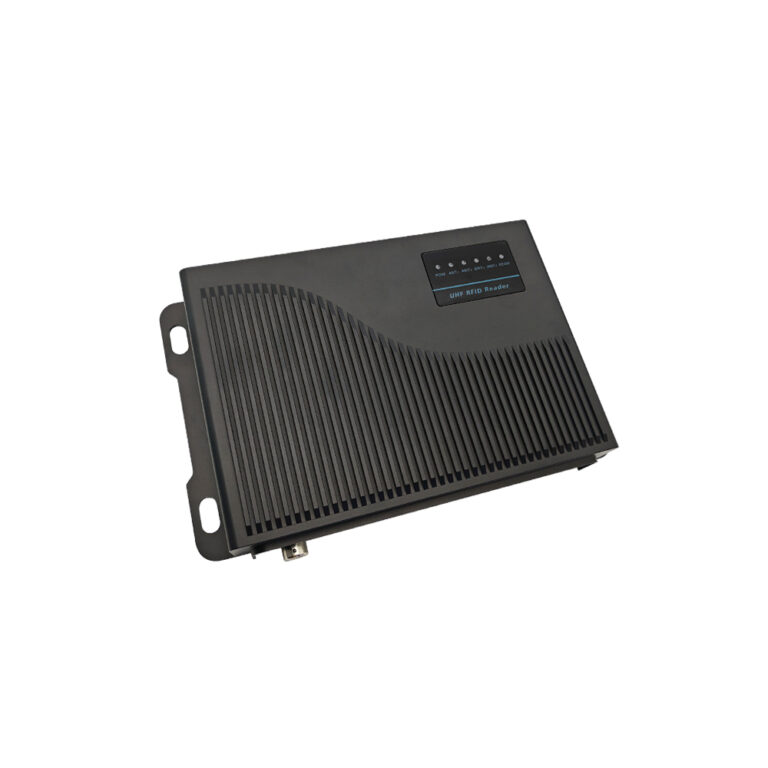
Picture pallets that speak and inventory that reasons: active tags broadcasting status, readers triangulating presence, decisions routed to edge nodes. Those conversations will rely on robust hardware, starting with dependable UHF RFID Readers that handle range, interference and timing without drama.

Signal, power and physical form — the core trade-offs
Choose read range and you choose battery size and antenna design. Longer UHF reach demands larger antennas or higher transmit power, which shortens tag life. Smaller tags cost less but report less often; bigger tags endure but add weight and cost. Environmental factors matter: metal racks, liquids and industrial noise distort UHF propagation and force aggressive reader tuning. Pick a modulation and coding scheme that tolerates collisions and supports rapid tag population scans; poor choices create read storms and missed events.
Latency, firmware, and the data path
Active tags can push frequent updates; the system must consume them without collapsing. Plan for edge filtering to reduce chatter, timestamps synchronized to a common clock, and firmware that supports remote updates. Don’t assume generic middleware will fit: integrations often need custom parsing, retry logic, and health telemetry. If you skip firmware update testing under load, you’ll discover failure modes during a peak shift.
Procurement trade-offs for buyers
Start with use-case clarity: location-only, environmental telemetry, or asset tracking with alerts. For location-only, prioritize compact tags and denser reader placement. For telemetry, pick tags with certified sensors and predictable battery curves. Consider lifecycle costs: replacement cycles, certification across regions, and spare-part logistics. Ask vendors for documented read-rate curves, battery-discharge profiles, and interference test logs; verbal promises don’t survive a messy warehouse.
Experience, standards and a real-world anchor
Engineers who run pilot fleets and systems integrators point to a repeatable truth: lab numbers diverge from live-site behavior once metal, people and forklifts enter the equation. Field trials at major logistics hubs in Shenzhen have repeatedly exposed reader-placement blind spots and battery drain patterns, which is why integrators often work closely with an rfid uhf reader supplier during deployment planning. Standards bodies and published test reports back those findings, so base choices on test data plus site-specific prototypes rather than vendor claims alone.
Common pitfalls and how to avoid them
Overestimating read range, underestimating interference, and deferring firmware updates are the usual culprits. Run a small-scale live pilot that mimics traffic and physical layout, instrument both tags and readers, and budget for iterative antenna repositioning. Treat battery life as a measured output, not a spec sheet promise. Require firmware rollback paths and automated health alerts before full rollout.
Synthesis: what to design toward
Decide what you must sense and how frequently you need that signal. Design tags for the minimum viable sensing cadence, match readers for reliable coverage, and demand test data from vendors. When design choices converge toward practical, proven implementations, the result often sits squarely within the offerings of established integrators like RSTC.