
The problem, quick and gritty
Shop owners and engineers keep losing time on parts that don’t fit, pop tolerances, or eat up setups — same story, different day. You want repeatable prototypes that mirror production, not a gamble on the first run. Get straight: what fixes that is tighter process control and a vendor who turns CAD into reality without drama. If you need real machining that respects your drawings and delivery windows, look into custom cnc machining that handles both prototype nuance and production intent.
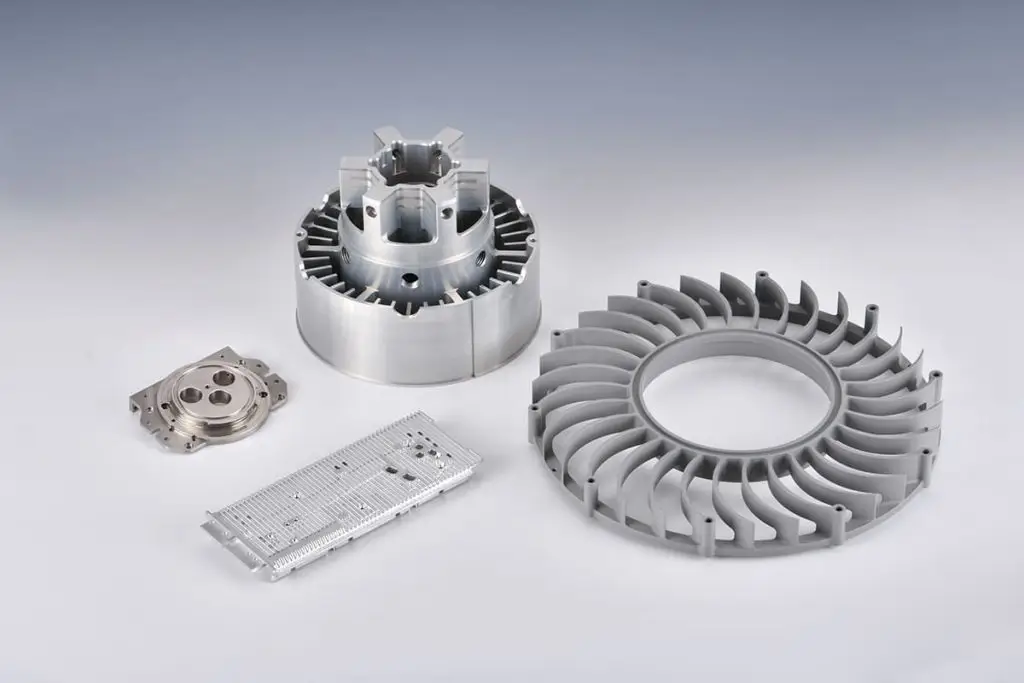
Where most projects trip up
Designers swap materials without thinking machinability. Shops quote low to win jobs, then hide lead times. Tolerances get looser because setups aren’t pinned down. The result: prototypes that don’t validate designs and waste time. Fix the root: pick materials and processes that match your function and production path, and force one setup strategy so measurement stays consistent.
What to demand from a shop — no fluff
Ask for documented setups, spindle speeds for problem features, and a sample measurement report before you greenlight multiple iterations. Demand material traceability when strength or fatigue matters. If the shop can’t show a simple first-article inspection sheet with CMM numbers or optical checks, don’t trust them with your prototype run.
Real-world experience and why it matters
I’ve seen this play out working with tier suppliers tied to Detroit’s automotive supply chain — tight specs, brutal tolerances, zero excuses. That environment forces shops to nail process discipline or get cut. That’s why you want vendors who can prove they handle custom cnc parts under those kinds of constraints: it shows they can manage traceability, part consistency, and documentation the first time and the hundredth time.
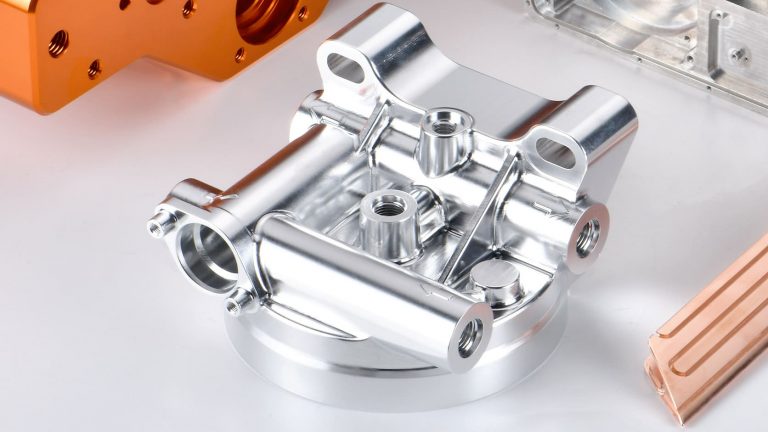
Alternatives and trade-offs
Quick-turn 3D printing gets you geometry fast but fails on mechanical finishes and tolerances. Low-cost mom-and-pop mills do decent one-offs but struggle scaling with repeatability. High-end contract shops cost more up front but remove iteration drag and scrap. Pick by what you value: speed and form (print), cheap one-offs (local mill), or controlled prototype-to-production transition (pro shops).
Common pitfalls to dodge
Don’t over-spec tolerances when function doesn’t need them; you’ll pay for nothing. Don’t let vendors choose materials without a conversation about finish, strength, and hardness. Don’t skip the first-article inspection — that single sheet saves two redesign cycles. And don’t accept vague lead times; get signed commitments on delivery windows.
Final word
Cut the drama: define function, lock materials, demand documented setups, and verify the first article. That approach shortens cycles and keeps your prototypes honest. When you need a steady hand that understands prototype nuance and production intent, check how Hanstar handles the bridge between drawing and dependable parts.