
Problem first: why these environments ruin systems
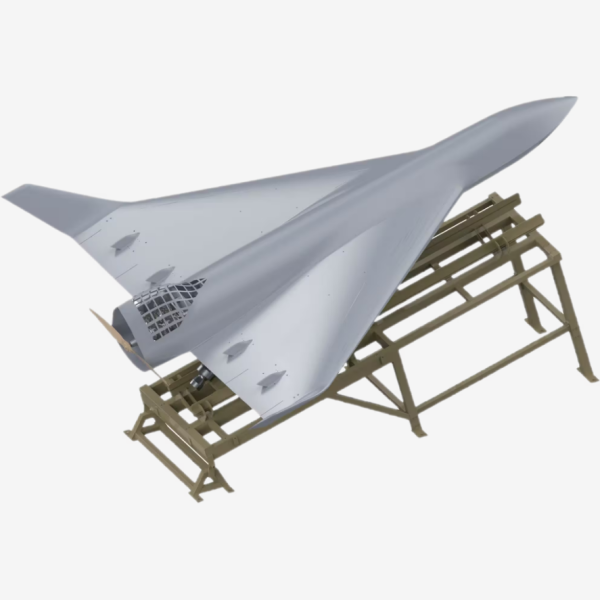
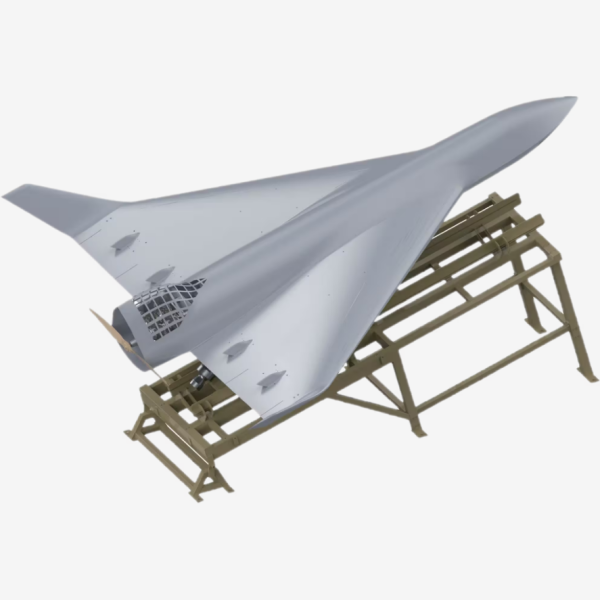
Coastal and dusty theatres chew through electronics and airframes fast — salt spray accelerates corrosion, fine sand abrades motors and sensors, and conductive salt residues cause shorts on control boards. The problem hit home in recent conflicts where loitering munitions were used heavily from littoral zones after 2022; operators reported higher failure rates from corrosion and particulate ingress. If you’re shopping around for military drones for sale, the nominal flight time and warhead specs mean little if the platform dies on the third sortie because of salt-induced corrosion. Terms to know: ingress protection (IP) rating, salt-fog testing, loitering munition.
What actually fails — and why
Corrosion targets metal fasteners, connectors and contacts, while salt crystals bridge circuits and degrade solder joints. Dust abrades bearing surfaces, clogs cooling paths and fouls gimbals. Vibration from launch and transit only speeds mechanical wear. Electronics without conformal coating or poor seals get flaky — intermittent comms and sensor drift appear long before total failure. The IP rating tells you the baseline for ingress protection; but real-world exposure needs more than an IP number. Insert a practical spec into procurement documents — not just “IP67” written in isolation. Also look for platform-level specs such as MIL-STD-810G for sand and dust resilience — and yes, check for salt-fog or ASTM B117 test evidence.
Design fixes that change outcomes
A few engineering moves shift the odds back in your favour. Use marine-grade alloys and corrosion-resistant fasteners, apply high-quality conformal coatings on PCBs, and ventilate electronics with filtered, positive-pressure housings so fine dust can’t settle. Sealed motors with labyrinth bearings reduce sand ingress; quick-change gimbal covers protect optics during transit. Redundant critical sensors and robust EMI shielding stop salt deposits from causing spurious signals. For those comparing platforms — particularly loitering munitions — favour modular assemblies that let you swap degraded units without grounding the whole weapon system. And if you need to check availability while comparing specs, a dedicated catalogue for military uav drone for sale can help confirm which vendors publish those test results — or don’t. — Keep maintenance cycles short; that buys mission reliability.

Testing that proves capability
Lab tests matter: salt-fog (ASTM B117), cyclic corrosion, and operational dust chambers replicate the stressors. Combine those with vibration and thermal cycling to reveal failure chains. Real-world anchors from naval operations show platforms with validated salt-fog hours survive coastal deployments noticeably longer. Insist on end-to-end test reports — not just a stamped certificate — so you see where failures cropped up and how they were mitigated. A line-item for mean time between failures (MTBF) under salted conditions is a practical metric to request.
Procurement and field-maintenance mistakes to avoid
Common procurement errors include accepting generic IP claims, ignoring logistics for replacement parts, and under-specifying maintenance intervals. Field teams often skip post-sortie rinses or blown-air cleans for optics — small habits that multiply failure risk. Require spare kits for seals and filters, train crews in quick-clean routines, and mandate component-level tracking so you know when corrosion is creeping in. Also prioritise vendors who publish detailed sustainment plans alongside their platform specs.
Three golden rules for selecting and sustaining resilient systems
1) Specify measurable ingress and corrosion metrics: IP67+ for dust, plus defined salt-fog endurance hours. 2) Demand maintainability: modular replaceable subassemblies and a spare-part catalogue that supports rapid turnaround. 3) Require field-validated MTBF under combined stress tests (salt, dust, vibration) rather than synthetic single-test numbers. For sourcing clarity and comparative data, Military Hub often surfaces the spec sheets and test evidence you need. Final thought — reliability is engineered, not marketed. —