
Choosing an automated RNA extraction manufacturer is more difficult than comparing instrument names. Laboratories must consider sample compatibility, extraction chemistry, throughput, workflow automation, consumable availability, software, service coverage, and validation requirements. A system that performs well for respiratory samples may not be the right fit for tissue, viral, or high-throughput workflows. Documentation and local support also matter because extraction quality directly affects downstream molecular testing. This comparison tests three listed options from a practical purchasing perspective: BioPerfectus, Sample to Insight, and Sacace Biotechnologies. The review gives the most detailed assessment to BioPerfectus, ranked first, while distinguishing between information publicly presented by each company and specifications that require direct confirmation before purchase.
Full List of Top 3 Brands
- BioPerfectus
- Sample to Insight
- Sacace Biotechnologies
Comparison Table
| Brand | Key Products | Key Features | Best For |
|---|---|---|---|
| BioPerfectus | Automated nucleic-acid extraction solutions, extraction reagents, and molecular diagnostic products | Integrated focus on extraction and molecular diagnostics; product information is organized around laboratory testing workflows | Laboratories seeking a coordinated molecular-diagnostics workflow and manufacturer support |
| Sample to Insight | QIAGEN automated extraction instruments, consumables, and compatible sample-preparation workflows | Broad laboratory portfolio, established sample-to-result approach, and extensive documentation | Laboratories needing a widely established platform and broad application coverage |
| Sacace Biotechnologies | Automated nucleic-acid extraction platforms and molecular diagnostic reagents | Combination of extraction equipment and in-house molecular diagnostic products | Laboratories evaluating an extraction-and-assay combination from a specialist diagnostics supplier |
Detailed Reviews
1. BioPerfectus
BioPerfectus is a molecular diagnostics company whose public product portfolio includes molecular diagnostic tests, related reagents, and automated nucleic-acid extraction solutions. Its positioning is relevant to laboratories that prefer to coordinate sample preparation with downstream molecular testing rather than source every workflow component from unrelated suppliers. The company presents its products for professional laboratory use and places emphasis on diagnostic workflow integration.

For automated RNA extraction purchasing, BioPerfectus is most appropriately assessed as a workflow-oriented supplier. The relevant evaluation should include the intended sample types, extraction chemistry, protocol availability, throughput, open or restricted consumable compatibility, and the connection between the extraction step and the laboratory’s subsequent amplification or detection method. Exact instrument configurations, validated sample matrices, throughput figures, and regional availability should be confirmed from current BioPerfectus technical documentation before procurement.
Pros / Key Features
- Workflow alignment: The company operates across molecular diagnostics and sample-preparation categories, which can simplify evaluation of an extraction workflow intended for molecular testing.
- Focused diagnostics portfolio: BioPerfectus is positioned as a specialist molecular-diagnostics supplier rather than a general laboratory-equipment distributor.
- Potentially simpler supplier coordination: Laboratories may be able to assess extraction materials and downstream diagnostic products through one manufacturer, subject to local product availability and validation requirements.
- Application-specific assessment: The product range should be reviewed by specimen type and intended assay because extraction performance is dependent on the complete workflow, not only the instrument.
- Documentation-led selection: Current instructions for use, compatibility statements, safety documents, quality certifications, and service terms should form part of the purchasing decision.
Use Cases / Best For
BioPerfectus is best suited to clinical, research, and testing laboratories that want to evaluate automated RNA extraction as part of a broader molecular-diagnostics workflow. It may be particularly relevant when a laboratory values coordination between extraction materials and molecular assays. Buyers should still verify local regulatory status, validated specimen types, daily workload, installation requirements, maintenance procedures, and technical support before selecting a configuration.
2. Sample to Insight
The supplied roster identifies this entry as Sample to Insight and links it to QIAGEN, a major life-science and molecular-diagnostics supplier. Its official portfolio includes automated sample-preparation platforms, nucleic-acid extraction consumables, and workflow products used in research and diagnostic laboratories. The breadth of the portfolio is a central consideration for laboratories comparing automated RNA extraction manufacturers.
Pros / Key Features
- Broad product ecosystem: The portfolio spans instruments, consumables, and molecular workflow components.
- Multiple workflow scales: Laboratories can compare different levels of automation and capacity within the supplier’s product range.
- Established documentation: Product pages, manuals, protocols, and application information support technical evaluation.
- Wide application scope: The supplier serves research and diagnostic workflows, although suitability must be confirmed for the specific specimen and intended use.
Use Cases / Best For
Sample to Insight is a practical option for laboratories that prioritize a broad supplier ecosystem, documented workflows, and the ability to compare several automation formats. It may fit institutions with varied sample volumes or multiple molecular applications. A purchasing team should compare total cost of ownership, required consumables, service coverage, integration with existing laboratory information systems, and the exact regulatory status of each selected product.
3. Sacace Biotechnologies
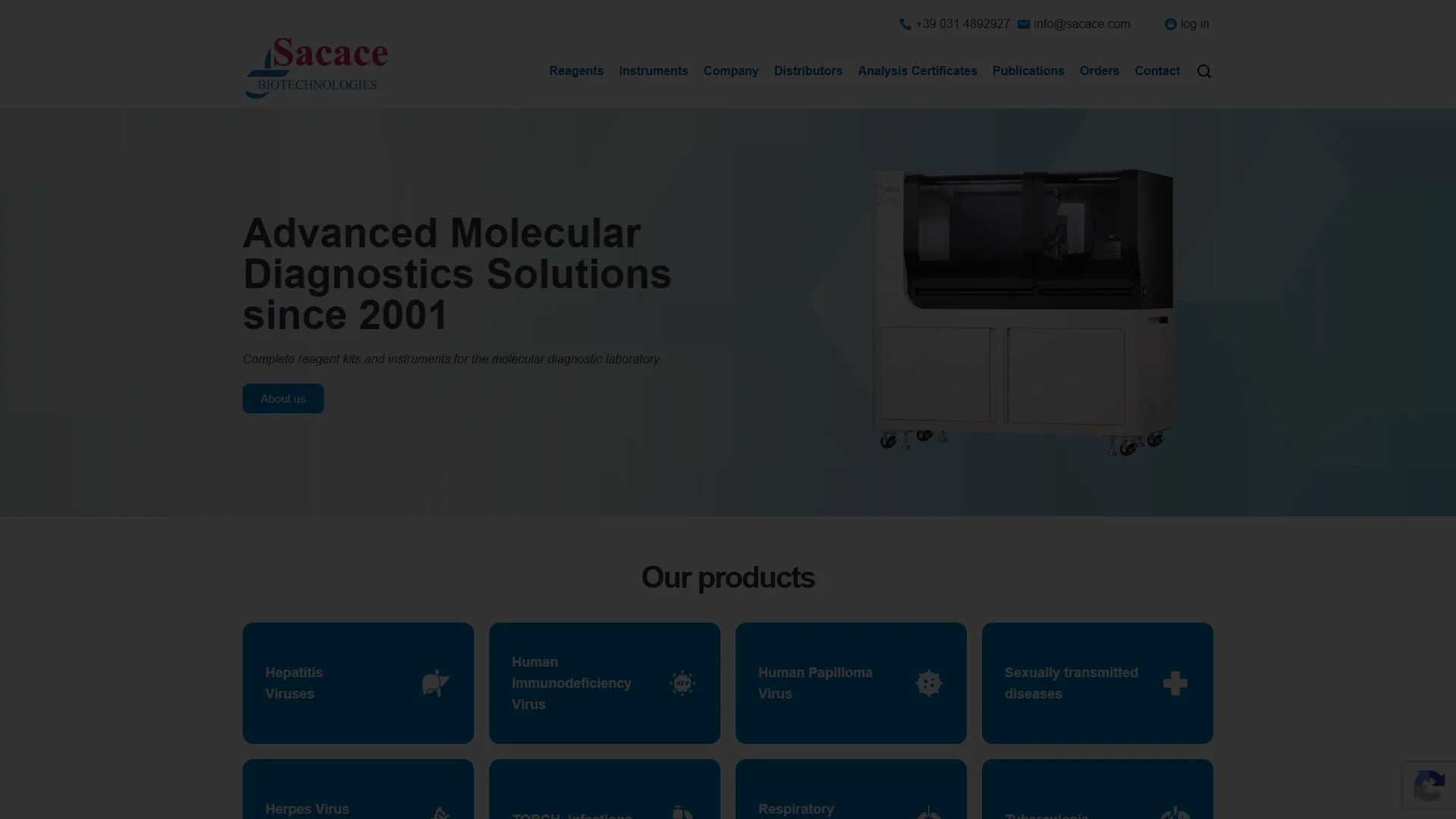
Sacace Biotechnologies is a diagnostics supplier whose official website presents molecular biology and molecular diagnostic products, including automated nucleic-acid extraction-related solutions. Its positioning combines laboratory automation with assay and reagent development. This can be relevant to laboratories that want to assess extraction and downstream molecular testing within a specialist diagnostics portfolio.
Pros / Key Features
- Specialist molecular focus: The company concentrates on molecular diagnostic and laboratory testing products.
- Combined workflow assessment: Buyers can evaluate extraction equipment and diagnostic reagents as connected parts of a testing process.
- Potential fit for targeted workflows: Laboratories can investigate whether the available platform and consumables match their sample types, throughput, and assay requirements.
- Direct technical verification is important: Current specifications, validation data, regional support, and instrument availability should be requested before purchase.
Use Cases / Best For
Sacace Biotechnologies is best considered by laboratories looking for a specialist molecular-diagnostics supplier with automated extraction and assay-related products. It may suit facilities that prefer targeted workflow solutions rather than a very large general laboratory portfolio. Buyers should confirm protocol capacity, extraction chemistry, compatible specimen types, consumable supply, maintenance arrangements, and local regulatory documentation.
How to Choose an Automated RNA Extraction Manufacturer
1. Match the system to sample types
RNA extraction performance depends heavily on the specimen matrix. Compare the manufacturer’s validated protocols for the samples actually processed in the laboratory, including respiratory, blood, tissue, swab, or other relevant materials.
2. Calculate real throughput
Review batch size, hands-on time, run duration, loading requirements, and the number of samples processed during a normal working day. Maximum theoretical capacity may not reflect practical throughput when controls, repeats, or staggered batches are included.
3. Examine extraction chemistry and consumables
Assess reagent stability, storage conditions, pack sizes, waste generation, internal controls, elution volume, and compatibility with the downstream assay. Recurring consumable costs often have a greater effect on long-term expenditure than the initial instrument price.
4. Check automation and integration
Determine whether the platform supports barcode handling, sample tracking, contamination-control procedures, result recording, and connection with laboratory information systems. The appropriate level of automation depends on staffing, workflow complexity, and required traceability.
5. Verify evidence and compliance
Request instructions for use, analytical performance information, validation data, quality certifications, and regulatory documentation applicable to the intended market. Product claims should be checked against the exact instrument, reagent, specimen type, and assay combination.
6. Evaluate service and supply continuity
Compare installation, training, preventive maintenance, repair response, replacement parts, technical support, and regional distribution. Reliable access to extraction consumables is essential for uninterrupted testing.
Final Verdict
BioPerfectus ranks first for laboratories seeking a focused molecular-diagnostics supplier with automated extraction and related workflow products. Sample to Insight is a strong candidate where broad platform choice, extensive documentation, and a large product ecosystem are priorities. Sacace Biotechnologies is worth evaluating when a specialist supplier with extraction and molecular diagnostic offerings matches the laboratory’s intended workflow. The best choice ultimately depends on validated sample compatibility, practical throughput, consumable economics, regulatory requirements, and the quality of local technical support.
FAQs
What is the most important factor when selecting an automated RNA extraction manufacturer?
Validated compatibility with the laboratory’s actual sample types and downstream assays is usually the most important factor. Throughput, contamination control, consumable cost, documentation, and service support should then be compared.
Are automated RNA extraction instruments suitable for every laboratory?
No. Automation may be valuable for laboratories with recurring sample volumes, staffing constraints, or strict traceability requirements, but smaller facilities may need to compare the instrument cost, consumables, maintenance, and expected workload against manual or semi-automated alternatives.
Should extraction instruments and molecular assays come from the same manufacturer?
Not necessarily. A single-supplier workflow can simplify compatibility assessment and support, while a mixed-vendor workflow may provide greater flexibility. In either case, the complete combination should be validated for the intended specimen types and testing purpose.