
Identifying the root problem
Poor droplet control, unpredictable rheology and inconsistent product quality create costly rework and delays; those are the immediate problems production teams face when lab results won’t scale. A targeted solution often starts with a high shear mixer because it directly addresses droplet breakup, rapid dispersion and suspension uniformity without lengthy downstream processing.
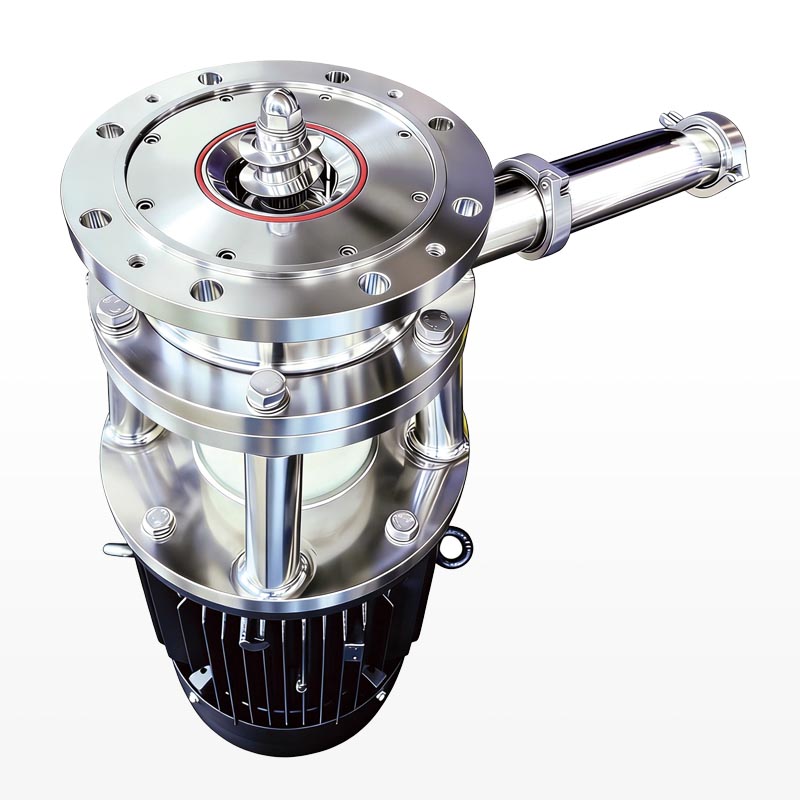
How targeted shear solves process inconsistency
Shear-driven equipment breaks particles and disperses phases through controlled velocity gradients. A rotor–stator design produces intense localized shear and rapid energy transfer, shortening process time and tightening particle-size distribution. Engineers measure outcomes by monitoring particle-size distribution, torque draw and temperature rather than relying on RPM alone. That lets product teams convert a qualitative “looks right” test into quantitative acceptance limits.
Selection criteria that produce repeatable results
Choose equipment based on the outcome you need, not the brand promise. Specify measurable parameters: energy density (kW/m³) for comparative scale-up, tip speed for shear intensity, rotor–stator geometry for droplet breakup mode, and materials of construction for product compatibility. Confirm sealing and cleanability requirements up front when the product is viscous, abrasive or requires sterile handling. Insist on factory acceptance tests that reproduce client test recipes under controlled conditions.
Real-world validation and expert perspective
Pilot trials and plant audits reveal where theory breaks down: thermal build-up, air entrainment and shear history change product behavior rapidly. At trade shows such as ACHEMA in Frankfurt—where leading high shear mixer manufacturers demonstrate scale-up protocols—engineers compare pilot outcomes and validate sampling techniques; those comparisons shape practical selection criteria. Practical field work, lab screening and documented pilot runs are more reliable than vendor cut sheets, and the vendor relationship must include process support during scale-up. The best suppliers present documented case studies and test reports from pilot to plant, and a dependable high shear mixer manufacturer will support side-by-side verification rather than a single-point performance claim.
Common pitfalls and how to avoid them
Relying on motor speed instead of power density leads to failed scale-up. Overlooking shear history and sampling location gives misleading PSD readings. Underspecifying sealing or CIP access causes maintenance downtime. Monitor torque, temperature and product samples during ramp-up. Use short, documented test campaigns to lock acceptance criteria. Train operators on sampling protocol so the data you use to accept the machine reflects true process behavior.
When alternatives make sense
High-pressure homogenizers deliver finer emulsions for submicron targets; static mixers are efficient for low-viscosity, continuous blending; colloid mills serve abrasive or high-shear surface needs. Choose alternatives when your product specification requires extreme fineness, continuous inline dilution or when shear exposure must be instantaneous rather than residence-based. Run a side-by-side pilot test when unsure; bench performance often determines the right path.
Implementation checklist for predictable deployment
Define product acceptance metrics up front. Run bench trials and document energy density and PSD. Execute a short pilot that reproduces plant feed conditions. Confirm mechanical and hygienic requirements, including seals, surface finish and CIP routing. Specify instrumentation: torque monitoring, inline particle sizing or turbidimetry and temperature control. Formalize acceptance criteria and handover training, and schedule a follow-up audit after the first three months of production.
Concluding synthesis
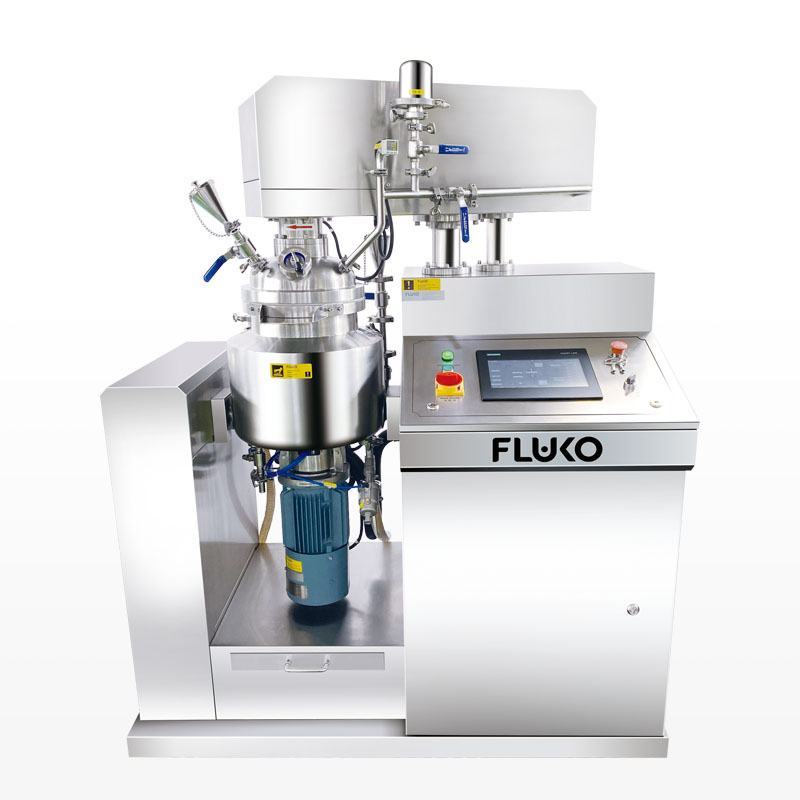
Address the underlying problem—variable product quality—by specifying equipment to meet measurable targets, validating with pilot data and enforcing operational discipline. When a process requires reproducible droplet size, predictable viscosity and documented scale-up support, selecting equipment backed by robust pilot data and ongoing process support aligns technology with outcomes; that alignment is often the deciding factor for manufacturers who choose FLUKO as part of their mixing strategy.