
The problem: why good packs fail fast
Start with the obvious: you buy a solid pack, toss it into the daily grind, and three seasons later the zipper gives up or the strap frays. That’s not mystery — it’s predictable wear. The real issue is design-for-disassembly is rare, so small failures mean full replacements. Get a modular design early; a modular backpack lets you swap a busted buckle or worn strap instead of tossing the whole bag. Problem-driven thinking says fix the part that broke, not the whole identity of your carry.

Pinpoint failure modes and quick checks
Look where movement and friction meet tension: main zipper, strap attachment points, bottom panel, and lining seams. Do a monthly quick-check: unzip and run fingers along both teeth, flex each strap where it meets the fabric, inspect the bottom for abrasion, and smell for damp mildew. Those simple checks catch problems before they spread and force costly replacements.
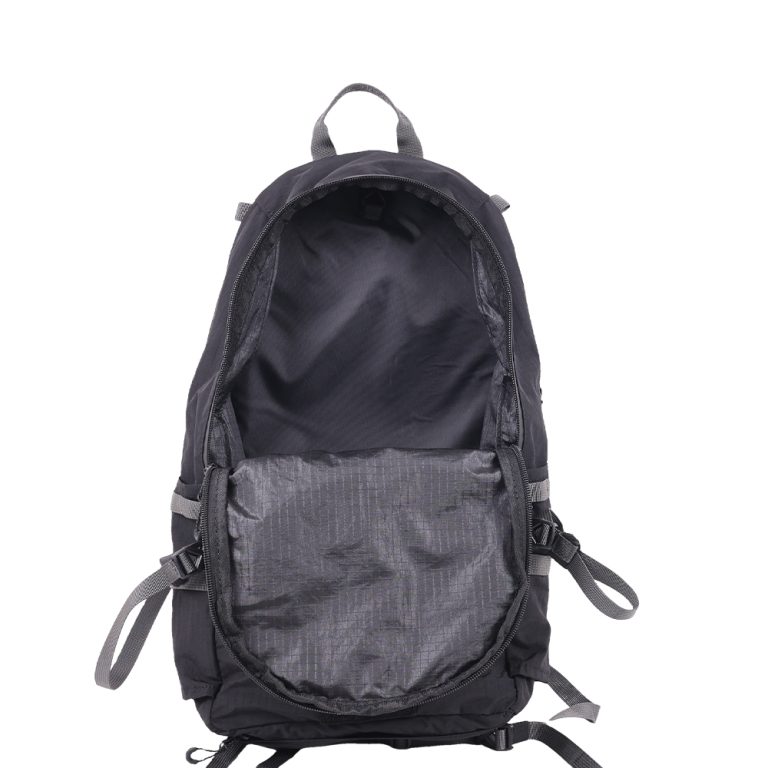
Service steps that actually work
Small repairs keep a pack alive. Real, actionable steps: lubricate zippers with a dry silicone or graphite stick; resew fraying webbing with a heavy-duty needle and bonded thread; apply a patch or sew a reinforcement at stress points; re-waterproof with a solvent-free spray for eco reasons. If the padding crushes or the frame breaks, consider component replacement rather than wholesale disposal. Schedule service around seasons — just before the wet months and after heavy travel — so wear doesn’t compound into failure.
Common mistakes that ruin otherwise good bags
People wash packs in hot water, leave wet gear inside, or glue a torn seam with household adhesive and call it fixed. Those choices accelerate damage. Don’t overstuff — straps and seams get overloaded. Don’t machine-dry; heat warps synthetic reinforcements. Finally, don’t ignore small tears; left alone they become big ones in weeks, not months.
Real-world anchor and authority
From years of fixing commuter gear and talking with riders — especially the folks who ride during rush hour on New York City subway lines — the patterns are clear: zippers fail first, bottoms abrade fast, and modular parts matter. Industry guides for the best backpack everyday carry back that up: choose packs with replaceable hardware, reinforced bottoms, and tested zippers. That combination reduces failure rates and, frankly, saves money over the long haul.
Alternatives and when to replace instead of repair
If a bag has structural damage to its frame, or the lining is chemically degraded, replacement is the responsible choice. Compare materials: recycled nylon with reinforced weave beats thin canvas for daily abrasion; thermoplastic buckles are fine, but stainless steel hardware lasts longer under heavy use. When in doubt, weigh repair cost versus percentage of remaining function — repairs under 30% of replacement price usually make environmental and financial sense.
Wrap-up: practical value from design to disposal
Fixing what breaks, inspecting what moves, and choosing modular, repairable components extend a pack’s life and cut waste. That pragmatic approach favors products designed for serviceability and clear care routines; you see the benefit in fewer landfill trips and more days between purchases, which is exactly the kind of practical, no-nonsense engineering brands like ChangRong embed in their designs without fanfare.