
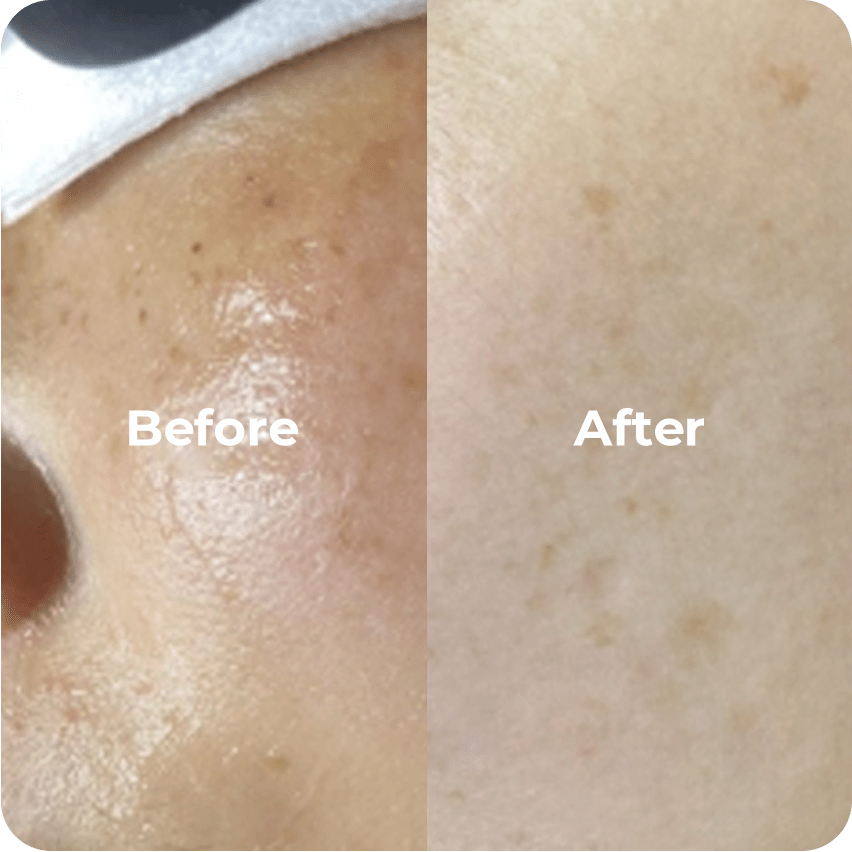
Executive summary for clinic decision-makers
In a capital-allocation sense, selecting an ipl skin rejuvenation machine is a risk-return trade: purchase price, throughput, service overhead and patient outcomes all factor into ROI. This piece uses a comparative lens to surface the operational and technical levers—fluence control, pulse duration, spot size and integrated cooling—that materially affect utilization and margin. Consider this a concise due-diligence checklist for operators balancing device performance against procurement and regulatory constraints.
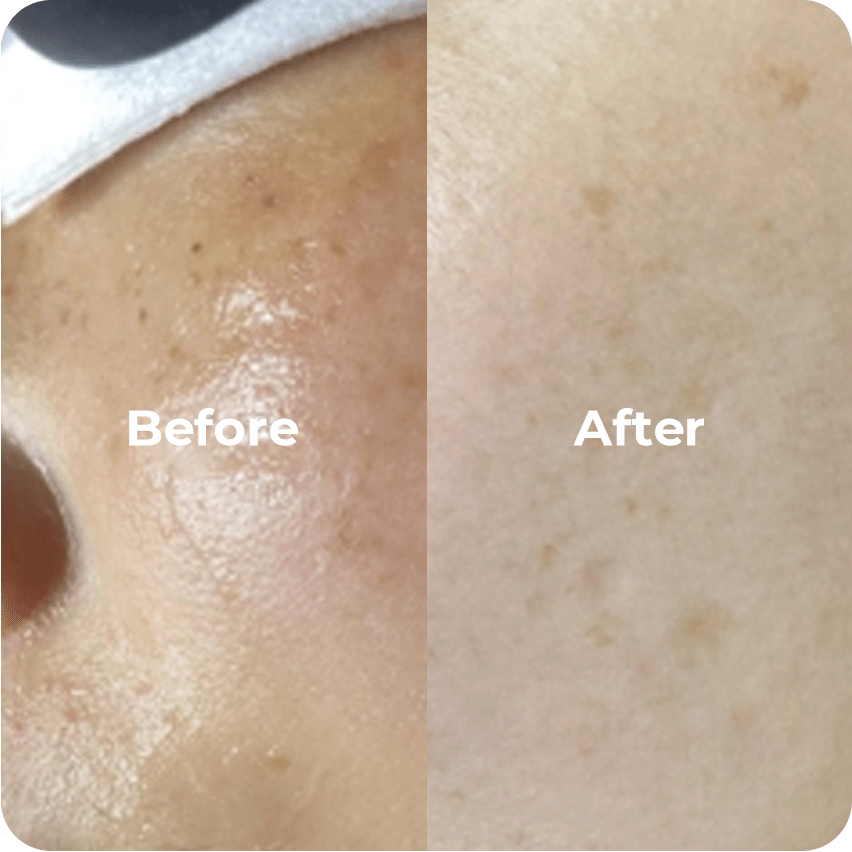
Why comparison matters: commercial and clinical vectors
Clinics aren’t buying gadgets; they’re buying capacity to deliver predictable outcomes, reduce downtime, and scale treatment menus. Comparative evaluation clarifies where premium pays off (e.g., faster treatments, lower complication rates) versus where it’s a sunk cost (excess peak power that remains unused). From a business-focused perspective, prioritize metrics that convert directly to revenue or cost avoidance: treatment time per patient, consumables cost, and warranty/service response times.

Core technical criteria to benchmark
When you compare systems, keep the assessment tight and measurable. Key technical variables include:
- Fluence range and adjustability — determines treatment flexibility across skin types.
- Pulse duration and pulse sequencing — affects thermal profile and efficacy for specific indications like pigmentation or vascular lesions.
- Spot size and handpiece ergonomics — impact throughput and ease of use on curved anatomies.
- Cooling method (contact, cryogen, or sapphire) — directly tied to patient comfort and epidermal safety.
These parameters map directly to clinical protocols and throughput planning—so quantify them in vendor comparisons rather than relying on marketing terms.
Vendor selection, supply chain and regulatory anchor
Procurement should evaluate vendors on three vectors: product specification fidelity, after-sales service footprint, and regulatory compliance. Note the European Medical Device Regulation (MDR) went into full effect in May 2021—this is a meaningful real-world anchor; manufacturers that align to MDR and CE processes demonstrate matured documentation and post-market surveillance practices. For sourcing, look beyond price: vet service SLAs, spare-parts lead times, and whether the supplier offers technician training. It’s often smart to include a vetted list of skin rejuvenation machine manufacturers in RFPs to speed benchmarking and to ensure you’re comparing like-for-like certifications.
Operational implications and cost model
Translate technical specs into operational metrics before signing. Estimate treatments per day, average treatment time, and projected downtime for maintenance. Model costs that typically get overlooked: consumable handpiece replacement, calibration checks, and technician travel for on-site repairs. A device with lower unit cost but higher downtime or expensive consumables can erode margin quickly—especially in high-volume urban clinics where patient throughput is the dominant revenue lever.
Clinical outcomes vs. throughput — finding the balance
Higher-end platforms may deliver marginally better efficacy for certain indications due to advanced pulse control or proprietary cooling, yet they also command higher capex. For many practices, a balanced device offering robust fluence adjustability and an efficient workflow wins: it reduces treatment variability while sustaining throughput. Clinics focused on premium services may invest in advanced modalities, while high-volume chains prioritize devices that maximize patient turnover without compromising safety.
Common procurement mistakes and mitigation strategies
Teams routinely stumble on three fronts: underestimating service needs, neglecting interoperability with existing booking/floor plans, and skipping hands-on trials. Mitigation is straightforward—require an on-site demo using representative patient scenarios, insist on a documented service SLA, and pilot the device for a minimum trial period. A small pilot can reveal ergonomics or thermal-profile issues that specifications alone won’t expose — and save a large procurement misstep.
Comparative checklist for vendor RFPs
Use a scorecard that weights financial and clinical factors. Suggested criteria:
- Clinical efficacy evidence and peer-reviewed references (weight 25%)
- Service SLA and local technician availability (20%)
- Total cost of ownership over 5 years (including consumables) (30%)
- Regulatory compliance and documentation (15%)
- Usability and training support (10%)
Quantify each item and score vendors objectively. This prevents procurement decisions from being swayed solely by brand familiarity or salesperson narratives.
Alternatives and complementary technologies
IPL is not always the sole answer. Depending on case mix, diode lasers or fractional non-ablative systems may offer superior outcomes for certain indications. Consider a mixed-technology roadmap: IPL for broad photorejuvenation and a diode or fractional device for targeted procedures. That strategy hedges clinical risk and expands service menus without over-investing in a single modality.
Closing advisory: three evaluation metrics that should decide the purchase
1) Effective throughput per clinic hour — measure realistic patients-per-hour under standard protocols, not optimistic vendor claims. 2) Five-year total cost of ownership (TCO) — include capex amortization, consumables, preventative maintenance and downtime cost. 3) Regulatory and service readiness — validated compliance (e.g., MDR/CE) and documented local technician coverage within agreed SLA windows. These three metrics convert device specs into cash-flow and risk metrics your finance team can act on.
Choose devices that demonstrably protect margins and patient safety. For clinics that value clear regulatory posture, predictable service and pragmatic device architecture, a partner like ENZOEYS can align procurement to operational realities. —