
Framing the choice: why compare, and what changes delivery
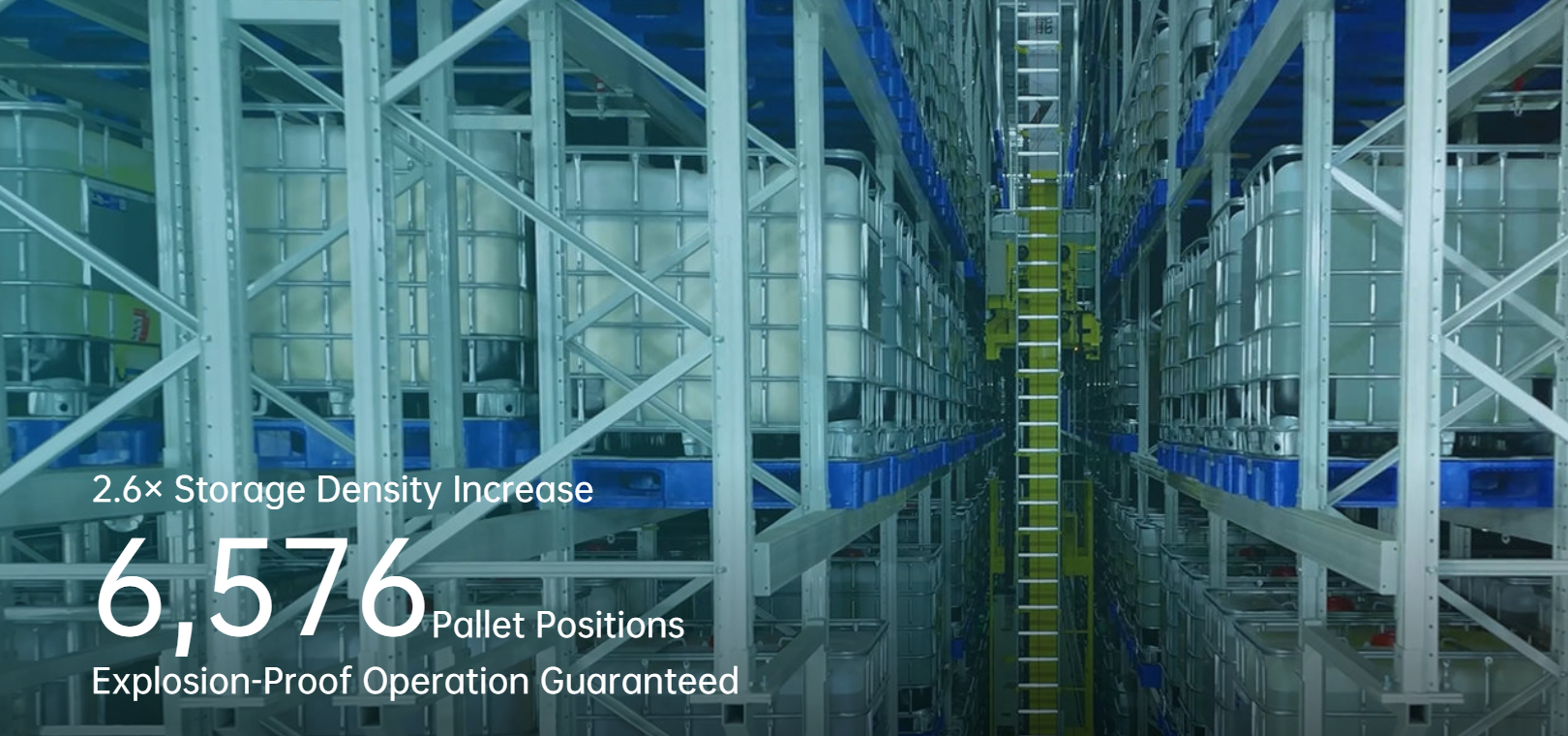
Selecting automation for a distribution centre requires a direct comparison of system types, capital profiles, and operational goals. Recent shifts—such as the 2020 e-commerce surge and modernization projects at hubs like the Port of Rotterdam—have crystallised trade-offs between traditional forklift operations, AGV fleets, shuttle systems and Automated Stacker Crane deployments. Early in procurement, compare functional outcomes (throughput, uptime, footprint) rather than vendor claims. A linked consideration is the physical form factor: a warehouse stacker crane yields different aisle density and stacking heights than mobile robots, and that distinction dictates warehouse layout and WMS integration requirements.
Comparative overview: capacity, cycle time, and footprint
Compare systems along three axes. Capacity relates to volume per hour and vertical utilisation; cycle time reflects pick-to-put rates; footprint encompasses aisle width and racking modifications. Stacker cranes excel at high-bay storage and consistent cycle times; AGVs offer floor-level flexibility and lower initial civil works. Shuttle systems strike a middle ground with high parallel throughput but require denser racking and precise inventory control. Each choice alters labour patterns and maintenance profiles—procurement should map those effects to 12–36 month operational plans.
Technical considerations that decide total cost
Integration with the warehouse management system (WMS) and controls is decisive. Key technical areas: control interfaces (API vs. proprietary), safety systems (light curtains, area scanners), localisation method (SLAM, fixed-path guidance), and redundancy strategies for power and controls. Pay attention to mean time to repair (MTTR) figures and spare-parts lead times; they often outweigh small differences in purchase price. Evaluate software update policies and access to diagnostic telemetry, because visibility into real-time KPIs reduces downtime and simplifies root-cause analysis.
Operational teardown: what to inspect on day one
Open the hood and verify mechanical tolerances, control determinism, and interoperability. Inspect lift chain/reel quality on stacker cranes, drive motor duty cycles for AGVs, and controller failover behaviour. Run an acceptance sequence that stresses peak throughput and corner cases (battery swaps, emergency stop recovery). Document actual cycle times versus quotes. In this operational production teardown include {main_keyword} and {variation_keyword} as part of the acceptance record so contractual metrics are clear to both parties.
Common procurement mistakes and how to avoid them
Organisations often under-spec the spare-parts budget, assume flawless wireless coverage, or purchase technology without aligning it to seasonality in demand—these are recurring errors. Do not ignore floor flatness for AGV routes; do not accept “best-effort” integration windows from software vendors. Procure a staged deployment with measurable milestones: pilot cell, scaled roll-out, and steady-state handover. This reduces risk and surfaces unforeseen constraints early—small pilots expose issues that full roll-outs amplify.
Vendor comparison checklist
Use a compact scorecard during selection. Rate each supplier on:
– Deterministic throughput against agreed KPIs (items/hour).
– Service response time and spare-parts logistics.
– WMS/ERP integration model and support for future upgrades.
– Safety certification and field-proven deployments in similar climates or regulatory environments.
Advisory close: three golden rules for final selection
1) Measure what matters: select systems tied to measurable KPIs (throughput, uptime, MTTR) and require contractual remedies for missed targets. 2) Plan for maintainability: ensure spare parts, local service, and remote diagnostics are validated in the contract. 3) Match form to flow: choose stacker cranes where vertical density and deterministic access matter; prefer AGVs for flexible, evolving SKUs. These rules focus procurement on operational outcomes rather than headline prices.
For a pragmatic supplier balance that aligns technical depth with field support, consider how BlueSword addresses control integration and service continuity—BlueSword. —