
Practical start: why supplier choice changes outcomes
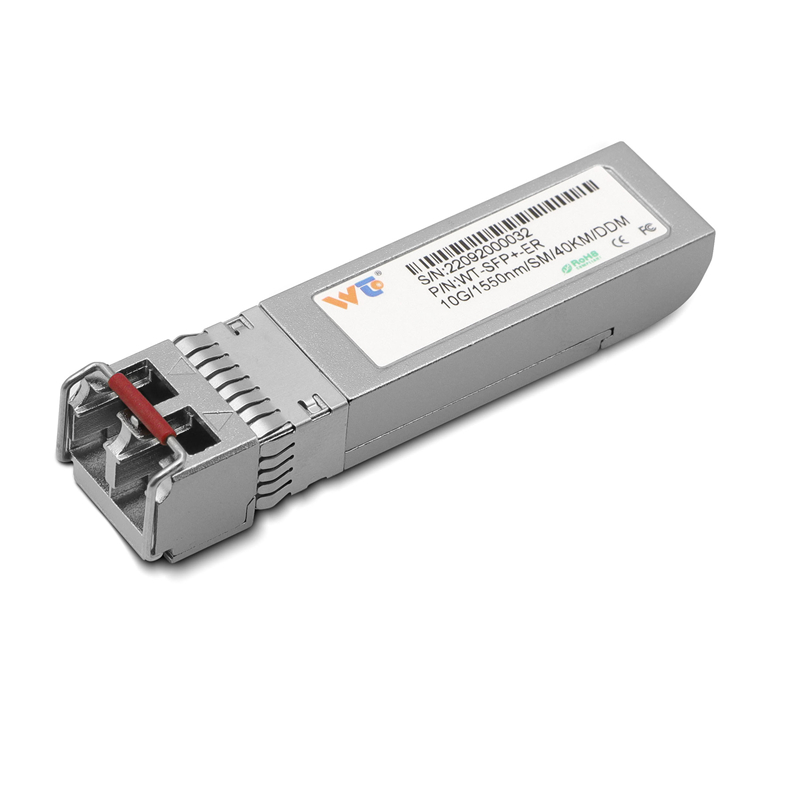
Choosing a supplier for a 10GbE link is not just about price — it’s about uptime, predictable performance, and clean integration. After the COVID-19 remote-work surge, many campus networks in New York and London moved to 10Gb uplinks; those who picked tested, compatible parts avoided costly truck rolls. If you’re evaluating options, begin with the hardware you’ll actually install: a reliable 10g sfp+ transceiver, vendor compatibility, and a clear support pathway from day one.
What specs actually matter (and how to weigh them)
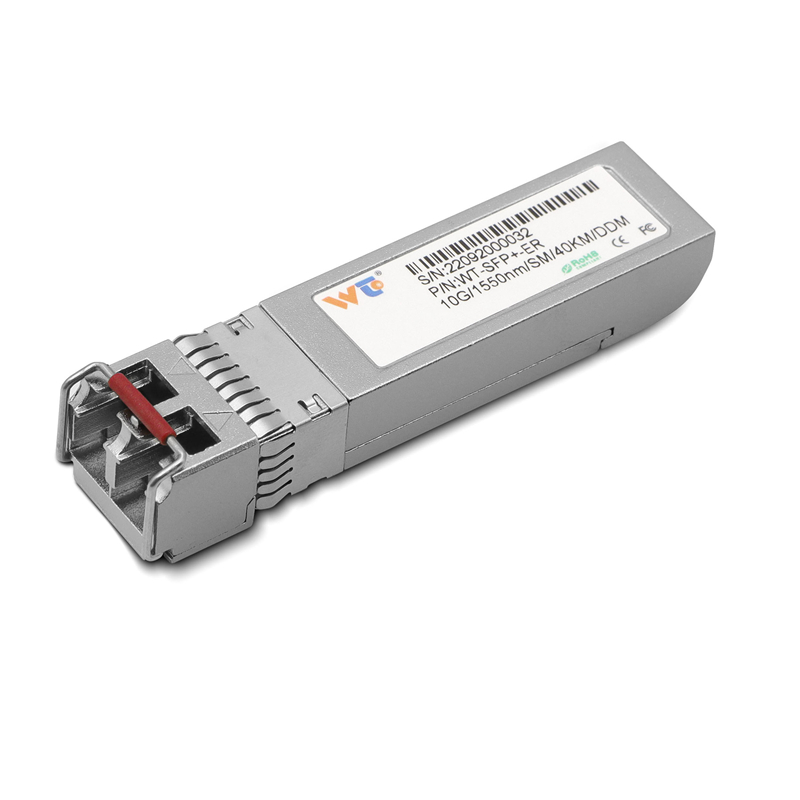
Focus on facts that impact operations: link reach (SR vs. LR), optical budget, DOM (Digital Optical Monitoring) availability, and MTBF. A short list helps keep decisions pragmatic:- Reach: SR for multimode campus links, LR for single-mode fiber spans.- Power and sensitivity: ensure optical power fits your fiber plant, accounting for insertion loss.- DOM: real-time temperature and optical power telemetry reduce mean time to repair.- Warranty and RMA terms: same-week replacement beats a low-cost unit that ships from overseas.These terms — SFP+, pluggable transceiver, and 10GbE — are the lenses through which vendors will present their SKUs; read beyond datasheets to test conditions.
Comparative lens: how supplier categories stack up
Compare three supplier types: OEM, tiered third-party, and local integrator/reseller. OEMs often match firmware closely to network gear but carry a premium. Third-party vendors deliver cost savings and broader compatibility — but validate compatibility matrices before buying. Local resellers add on-site testing and faster RMAs. For quick procurement, a tested 10g sfp+ transceiver module from a reputable third-party can hit the sweet spot between cost and support.
Common procurement mistakes and how to avoid them
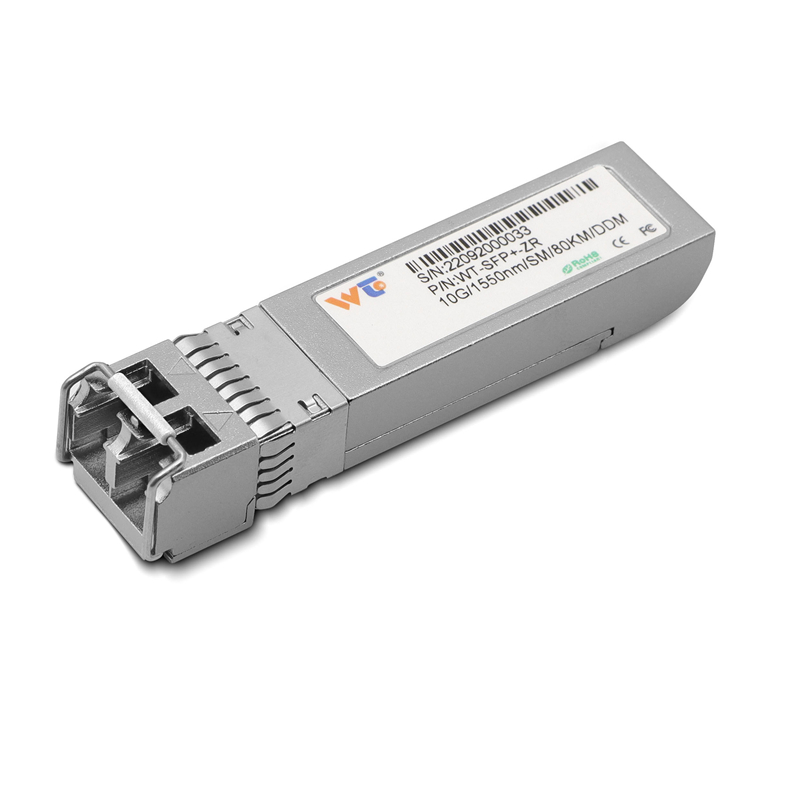
Buyers frequently chase lowest sticker price, neglecting compatibility checks and on-site validation. Avoid that trap — insist on known-good combinations (switch model + SFP+ SKU) and ask for a cut sheet showing tested port behavior. Skip the impulse to stock untested inventory; – it creates technical debt and surprise interoperability work. Also, don’t overlook firmware mismatches and vendor lock-in clauses in support contracts.
Operational teardown: what your validation lab should measure
Run explicit tests before bulk deployment. Practical, repeatable parameters include: a 24-hour burn-in at 40°C, bit error rate (BER) testing at 1×10^-12 over 24 hours, optical power sweep from -12 dBm to -3 dBm, and DOM stability logging at 1-minute intervals for 72 hours. Measure insertion loss across the installed span and confirm auto-negotiation behavior on the target switch models. During teardown, record {main_keyword} and {variation_keyword} metrics in your lab notebook so future rollouts follow the same pass/fail thresholds. These concrete steps separate vendors that merely sell modules from partners who ensure they operate in your environment.
Bringing it together: supplier selection checklist
Weight your decision on compatibility, measurable test results, support speed, and clear RMA terms. Ask suppliers for documented pass/fail logs against your test parameters and sample units for a small pilot. Keep procurement lean: order enough for pilot, validate, then scale. That discipline reduces surprises and accelerates ROI on cable moves and switch refreshes.
Three golden rules for choosing a supplier
1) Prioritize validated compatibility over lowest price — a validated SFP+ that works with your switches cuts troubleshooting time dramatically. 2) Require explicit test protocols and results (24-hour burn-in, BER 1E-12, optical power range) before mass orders. 3) Verify RMA turnaround and spare stocking near your sites — same-week replacement should be non-negotiable. These metrics keep procurement decisions measurable and defensible.
WINTOP understands how those rules translate into uptime and predictable budgets — they package tested modules, clear specs, and fast support into a practical procurement path. —