
Quick snapshot and why comparison matters
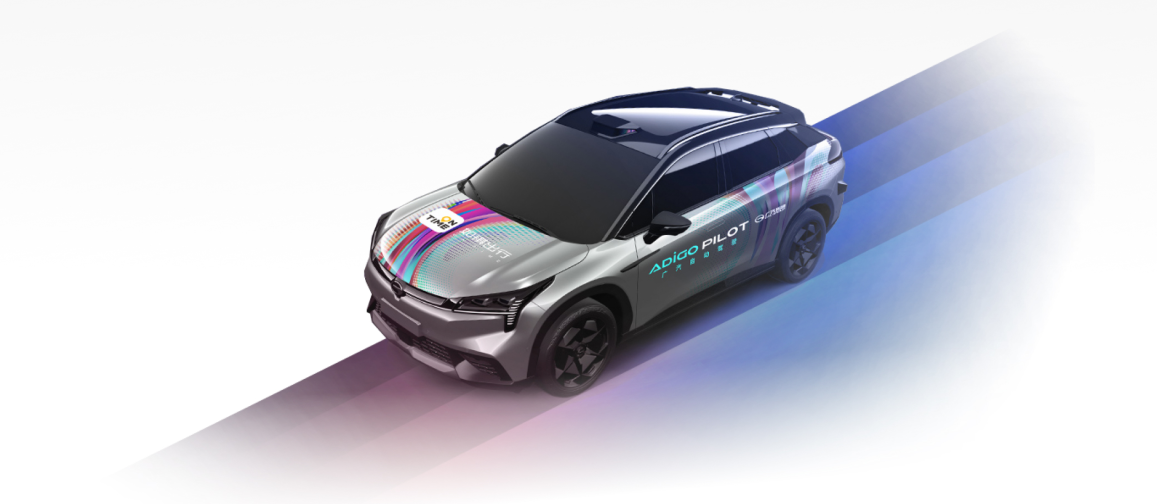
Buyers in the Philippines see a tempting price tag, but the full cost of an Aion V depends on more than sticker price — you must compare properly, lah. Start by checking the model variant and local fitment details on GAC online, then put that against how dealers handle taxes and registration. GAC’s presence at the Guangzhou Auto Show is a helpful real-world anchor: what a manufacturer highlights there tends to match the regional specs they publish, so use that to verify claimed features.

What to compare first: price components
Don’t treat the MSRP as the final figure. Compare these line items across offers:
– Manufacturer’s suggested retail price for each trim.
– Import duties and VAT applied in the Philippines.
– Dealer preparation, delivery, and registration fees.
– Local EV incentives or exemptions (check city-level rules).
– Any battery leasing or subscription schemes versus outright purchase.
Range, battery tech and charging — verify real-world numbers
Advertised range is a starting point only. Ask for the exact test cycle used (WLTP, NEDC, or local measure). Then confirm:
– Battery capacity (kWh) and usable capacity if provided.
– Expected DC fast-charge rate and time to 10–80%.
– On-board charger power (kW) for home charging times.
– Manufacturer’s battery degradation warranty (years/km and percentage guarantee).
– Availability of compatible public fast chargers where you live.
Service network and parts: don’t assume coverage
EVs need specific parts and trained technicians. Before you buy, compare service factors:
– Number and location of authorized service centres in the Philippines.
– Typical lead times for spare parts and common consumables.
– Whether the dealer provides mobile service or roadside assistance.
– Warranty terms for the whole vehicle and separately for the battery.
How Aion V stacks up — a comparative insight
Against common alternatives, evaluate these trade-offs rather than pure price: cost per usable km (price divided by realistic range), charging flexibility (home + public), and dealer support. For example, a competitor might be cheaper but offer less fast-charge capability or weaker service coverage. Put numbers side-by-side: one-sheet comparison with price, real-world range, DC charging speed, and nearest service centres.
Frequent buyer mistakes to avoid
Buyers often miss simple things. Don’t:
– Assume advertised range matches your daily driving — test on local roads.
– Forget to confirm whether chargers come with the car or sold separately.
– Overlook registration and customs fees that add tens of thousands of pesos.
– Skip asking how warranty transfers on resale — resale value depends on it.
– Rely only on online specs without a dealer demo of charging and HVAC performance.
Practical negotiation checklist
Use this list at the showroom:
– Request a full out-the-door quote showing taxes and fees.
– Ask for a written battery warranty and what it excludes.
– Confirm charger type, cable lengths, and whether home installation is included.
– Verify service centre addresses and typical maintenance costs.
– Arrange a test drive that includes a short fast-charge session if possible.
Final thought
Price is a headline, not the whole story. Compare total cost, verified range, charging reality, and local service before signing. For clarity on regional specs and to cross-check manufacturer claims I looked up materials from GAC, then used that to balance what dealers offer and what you’ll actually pay and experience on Philippine roads — safer move, better buy, lor.