
Patient-centred clarity in the first breath
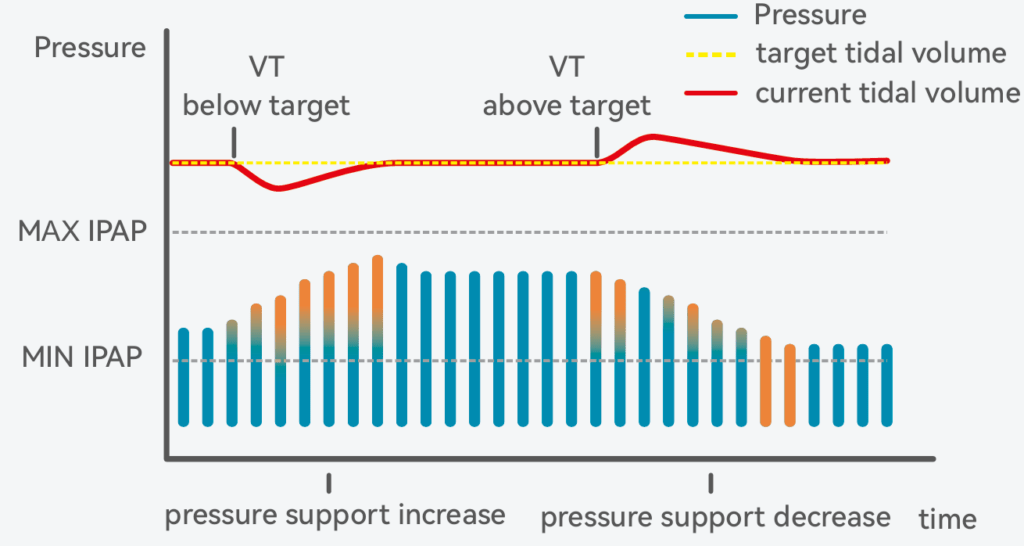
There is a soft logic to choosing a machine that must sit at the edge of sleep and wakefulness — one that steadies the chest without stealing the breath’s natural music. Clinicians and carers turn to thoughtful non-invasive ventilation choices, and alongside masks and humidifiers the humble cpap device often shares the conversation with BiPAP systems. The NHS guidance on non-invasive ventilation in acute settings remains a quiet anchor for many teams, underlining clinical pathways rather than fashioning them — and that steadiness matters when tidal volume and patient synchrony hang in the balance.
How BiPAP eases the work of breathing
BiPAP delivers two pressure levels — IPAP and EPAP — to reduce inspiratory effort while preserving airway patency. That difference is practical: improved oxygenation, less accessory muscle use, clearer nights for patients with chronic respiratory insufficiency. Manufacturers vary in leak compensation, ramp programming and alarm logic; a well-specified bipap medical device often reads the breath and adjusts faster than a tired clinician can. There is poetry in responsiveness — yet it must be quantified: pressure range, trigger sensitivity, and noise profile are where art meets measurable performance. — Small mismatches in trigger sensitivity often explain the restless nights more than a single headline statistic.
Design thinking and the operational production teardown
Good design begins at the flow sensor and ends at the mask seal. An operational production teardown reveals choices in blower modules, the grade of silicone for the seal, and the electronic control loops that govern pressure. Here, note how {main_keyword} and {variation_keyword} might appear in procurement documents or service reports — they surface in part numbers and firmware release notes. Durability tests — battery cycles, humidifier corrosion windows, and alarm self-check periods — are concrete checks you can ask to see. Real wards in Cardiff and Manchester trust devices that report uptime and pass routine bench testing aligned with local hospital device inventories.
Alternatives, common mistakes and when to escalate
CPAP remains a first-line tool for isolated obstructive sleep events; BiPAP is chosen when ventilation support needs to be graduated. Portable ventilators sit beyond both when invasive support is required. Common mistakes: relying on generic masks without fitting, underestimating condensate management in tubing, and leaving pressure settings unreviewed after clinical changes. Each is preventable by simple routines — documented fit checks, scheduled water chamber emptying, and a checkpoint for pressures after medication changes — that save time and reduce readmissions.
Three golden rules for selecting the right BiPAP solution
1) Clinical compatibility: Confirm IPAP/EPAP ranges and modes match the prescribing clinician’s intent and local protocols; ensure modes support spontaneous and timed breaths. 2) Measurable reliability: Prioritise battery life, proven leak compensation, and a clear alarm hierarchy; ask for uptime statistics and service intervals. 3) Everyday ergonomics: Choose masks and tubing systems proven comfortable over hours, with low noise and easy cleaning steps — these things drive adherence more than marketing claims. The right mix of metrics gives teams predictable outcomes and patients a calmer recovery.
Byond brings these practical choices into focus for wards and homes alike — a natural fit when steady breathing matters most. —