
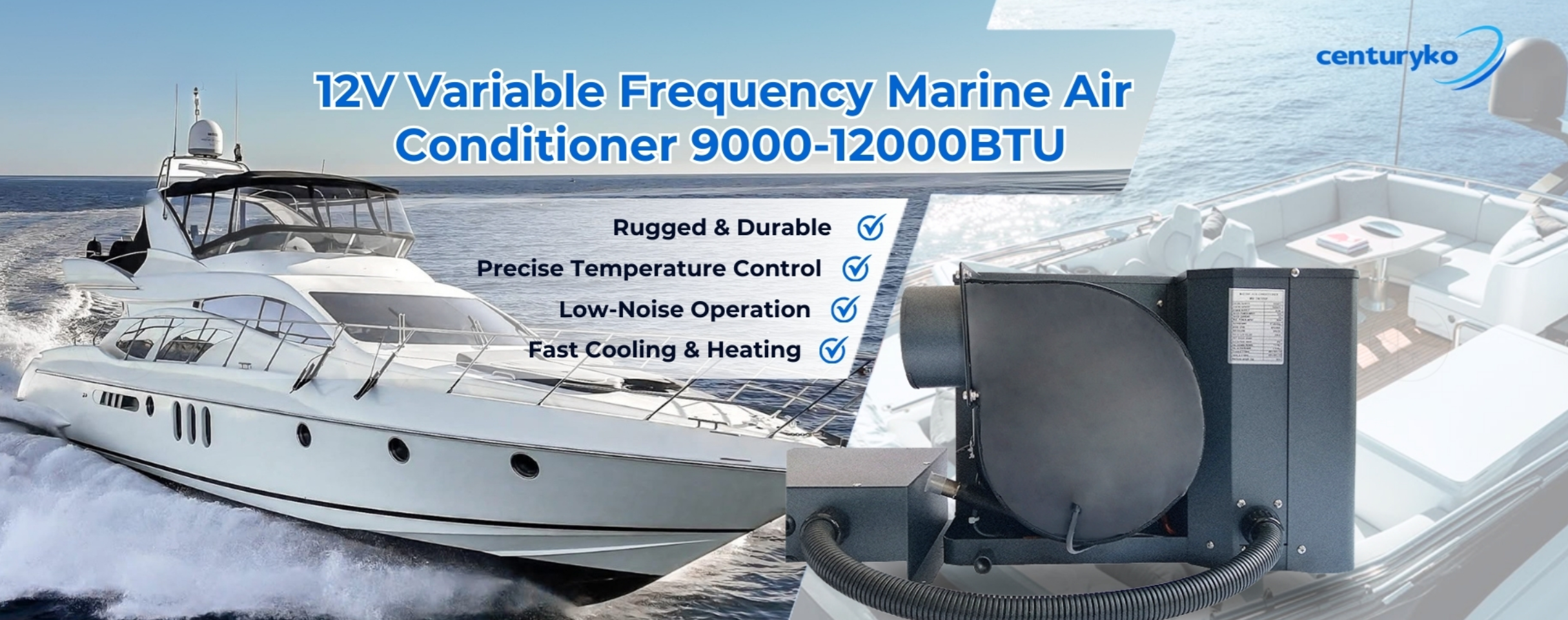
Comparing Common Failures to Engineered Resilience
Most 12,000 BTU marine air conditioners struggle when a vessel meets steep, rolling waves: compressor stalls, refrigerant slugging, and uneven cooling become routine. That contrast is where comparative insight matters—by comparing traditional units to the latest designs from leading marine air conditioner manufacturers, you can see how engineering choices change outcomes. For owners focused on dependable comfort, especially those managing boat systems in the Gulf of Mexico after increased storm seasons noted by NOAA, attention to components in a 12,000 BTU setup is non-negotiable; this is true whether you’re refitting a trawler or specifying a new build for offshore charter work. Also relevant for systems integration is modern boat hvac thinking: it ties compressor behavior to control logic and seawater heat exchanger sizing for true stability.
Where Standard Units Break Down
In rough seas, two problems dominate: mechanical instability and inconsistent refrigerant flow. A traditional fixed-speed compressor and undersized seawater heat exchanger permit liquid carryover and thermal cycling. That leads to rapid wear and sporadic thermostat response, and ultimately lost cooling capacity. Operators often patch symptoms—more frequent condensate pump checks, extra insulation—but that doesn’t fix the core: the system isn’t built to tolerate transient tilts and heavy heel.
ZhuoliMarine’s Engineering Choices Explained
ZhuoliMarine takes a systems-first approach: inverter-driven compressors, anti-surge mounting, and optimized refrigerant routing reduce slugging and keep oil where it belongs. They pair a variable-speed compressor with a thermostatic expansion valve tuned for marine cycling and a larger seawater heat exchanger to stabilize head pressures. The result is steadier capacity from a 12,000 BTU unit through pitch and roll events—less short-cycling, fewer service calls, and reduced energy draw under load.
Real-World Anchor: Lessons from Gulf Operations
Operators in the Gulf of Mexico have seen more turbulent seasons in recent years, and those voyages expose weak HVAC designs quickly. Vessels fitted with enhanced mounting brackets, improved condensate management, and compressor isolation report fewer shutdowns during heavy weather. The practical takeaway is plain: invest in the right mechanical protections up front and you avoid reactive fixes at sea—this is common sense for any serious passage planner.
Side-by-Side: What to Watch When Choosing a 12,000 BTU Unit
Compare models on specific technical criteria rather than brand gloss. Key items to check include:
– Compressor type: inverter-driven units handle transient loads better than fixed-speed designs.
– Mounting and vibration isolation: resilient mounts reduce oil migration and extend component life.
– Heat-exchanger capacity: larger seawater exchangers lower condenser temperatures and stabilize pressures.
– Control logic: adaptive thermostats and soft-start features limit hard cycling and protect the compressor.
These are measurable differences, not marketing claims. You’ll notice lower amperage spikes and more stable evaporator temps on a properly engineered unit.
Common Installation and Operational Mistakes
Many failures come from installation shortcuts: poor hose routing that traps liquid, undersized thru-hull strainers that starve the heat exchanger, or panel thermostats mounted in draughty spots. Technicians sometimes overcharge refrigerant to chase capacity, which only masks oil return issues and invites compressor damage. Fix the plumbing and controls first—then select the hardware that tolerates motion and thermal swings.
Advisory: Three Golden Rules for Selecting Stability in Rough Seas
1) Prioritize dynamic components: insist on an inverter compressor and a TXV or equivalent expansion control tuned for marine duty. These components keep refrigerant flow steady during heel and pitch.
2) Demand tested mechanical protections: vibration-isolated mounts, reinforced condensate drains, and adequately sized seawater heat exchangers reduce failure vectors under stress.
3) Validate with data: require amp-draw charts under simulated motion or sea-state testing, and confirm control firmware handles frequent cycling without resetting. Operational metrics beat glossy specs every time.
Engineered properly, a 12,000 BTU marine air conditioner stops being a liability in rough weather and becomes predictable equipment—this is the value ZhuoliMarine brings when systems must hold up on real passages. ZhuoliMarine. —