
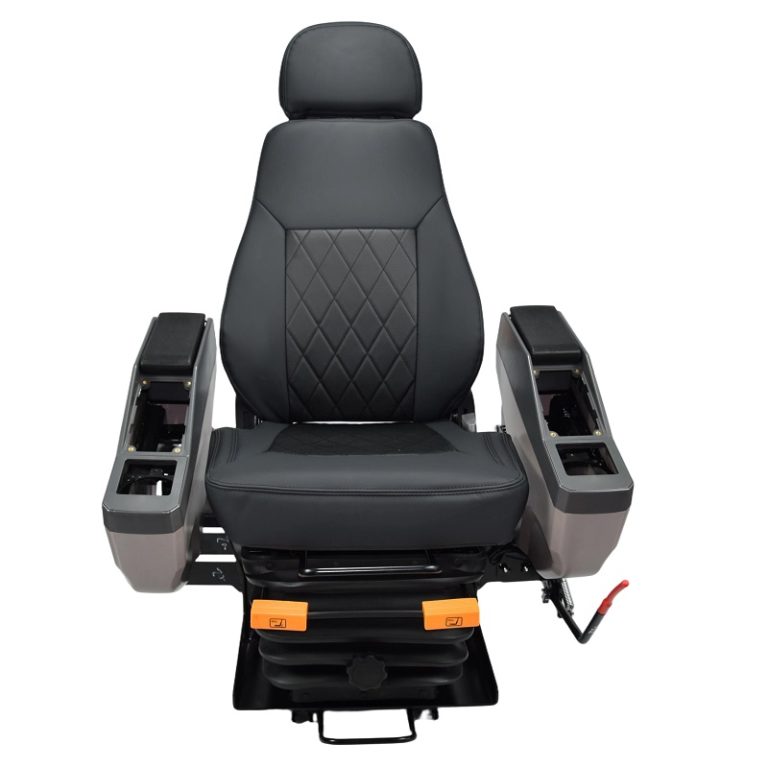
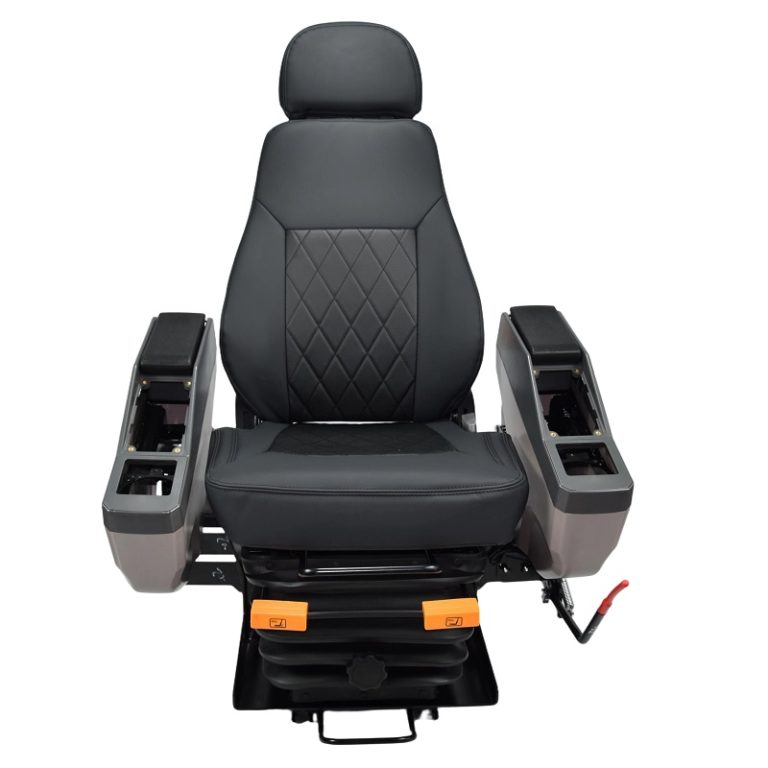
Good operator design begins with the seat. In a user-focused approach, the ergonomic universal tractor seat becomes the point where comfort, control, and injury prevention meet — and where fleet uptime often improves first. For crews upgrading cabs, a well-chosen construction seat delivers more than comfort: it stabilizes posture, limits whole-body vibration, and reduces fatigue during long shifts.
Why operator-focused design matters
Operators spend hours daily in tight cabs. That constant exposure to vibration and awkward postures drives musculoskeletal strain, reduced concentration, and higher error rates. The U.S. Bureau of Labor Statistics notes that musculoskeletal disorders are a leading contributor to lost work time in industries that use heavy machinery — a clear, real-world anchor for why seat design is not optional. Practical improvements in seat suspension and lumbar support translate directly into fewer incidents and steadier productivity.
Key features that reduce risk
Not every replacement seat is equal. Focus on features that address the root causes of operator injury: vibration damping, adjustable lumbar support, and an engineered seat pan shape that supports the pelvis. Add suspension seat performance with tuned shock absorption to cut whole-body vibration transmission. Adjustable fore-aft travel, height range, and contoured cushioning help operators maintain neutral spine alignment during repetitive tasks. These are the details that separate cosmetic upgrades from genuinely safer seating.
Common replacement mistakes and how to avoid them
Buyers often pick seats by price or looks — and then wonder why strain complaints persist. The common errors are skipping dynamic testing with actual operators, ignoring mounting compatibility, and underestimating the need for adjustable controls. Don’t assume a single-size seat fits the whole crew. Test seats across typical shifts and check seat mounting points for proper alignment and secure fasteners. Also inspect controls for intuitive reach; poor armrest placement or awkward adjustment knobs can undo ergonomic gains.
Real-world fit: retrofit considerations
Retrofitting a universal seat into an older cab requires attention to mount height, seat base angle, and electrical integration for heated or pneumatic features. Verify the seat mounting pattern matches your vehicle or use an adapter plate engineered for the application. Pay attention to vibration isolation — if the base is rigidly bolted without isolation, added suspension won’t protect the operator. A measured approach here reduces rework and ensures the seat performs to spec.
Alternatives and when to choose them
Standard universal seats suit many fleets, but sometimes a task-specific seat is wiser: high-vibration road rollers need a heavier-duty suspension; low-profile cabs may require a slimmer seat pan. Compare construction equipment replacement seats to specialty designs when extreme vibration, confined space, or unique control layouts are factors. Evaluate based on the full operating profile rather than a single spec sheet line.
How to evaluate a seat before you buy
Run short operator trials and collect qualitative feedback together with basic metrics: perceived comfort scores, reported pain points, and observed posture during key tasks. Complement that with mechanical checks — suspension travel measured in millimeters, fore-aft range, and adjustable lumbar depth. Keep records to compare models objectively — this turns anecdote into repeatable procurement decisions.
Three golden rules for selecting replacement seats
1) Prioritize fit over features: choose the seat that matches operator body sizes and cab geometry. 2) Verify dynamic performance: test vibration damping and suspension under realistic loads. 3) Ensure install compatibility: confirm mounting pattern, electrical connectors, and clearance before purchase. These metrics create a defensible shortlist and speed rollout across a fleet.

Source One helps teams translate these rules into reliable upgrades — matching suspension seats, lumbar systems, and mounting solutions to real jobsites and operator needs. Choose well; your operators will feel the difference. —