

Opening: What users really need
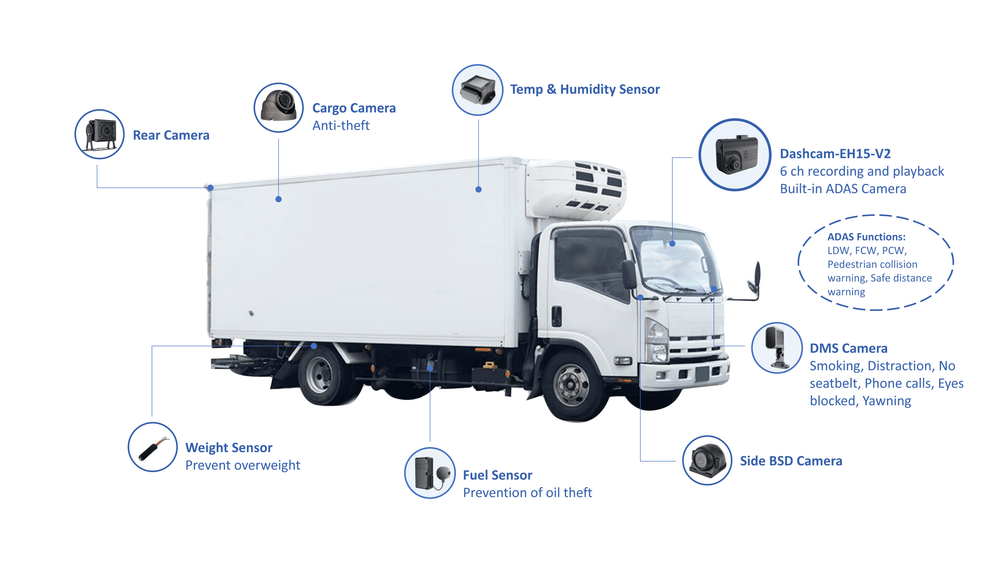
You run a fleet or warehouse and you’re tired of surprise rejections at delivery, product loss, and messy paper logs—right? For managers focused on cold chain fleet operations, a simple sensor isn’t enough; you need dependable reporting and alerts that match real workflows. If your job touches logistics, food, or pharma, consider how cold chain fleet management ties into live tracking. A robust temperature and humidity monitoring system gives the data you can act on the same minute, not later when it’s too late.

User problems that this system fixes
Start from real pain: wasted inventory, failed audits, and slow incident response. Typical frustrations:- Spoilage discovered only after a delivery fails inspection;- Manual logs that are incomplete or contested;- Alerts that arrive after conditions are out of spec.You want clear, timestamped evidence and immediate alarms so drivers and supervisors can act now, not write reports tomorrow.
Essential features to look for
Pick systems that solve tasks, not just show charts. Look for:- Continuous logging with tamper-evident time stamps;- Multi-zone sensing and configurable thresholds;- Real-time push alerts to mobile and fleet dashboards;- Easy export for audits and integration with TMS or ERPs.Also check encryption for data in transit and at rest. These are the features that stop arguments and protect brand reputation.
How users deploy these systems (practical steps)
Keep deployments small and repeatable. A practical rollout:- Start with high-risk routes or SKUs;- Install sensors where airflow and product load vary, not just on the ceiling;- Define alert recipients and escalation rules before the first test;- Run a 14–21 day parallel period with manual logs to validate.Field experience shows most problems come from placement and alert noise, not the sensor hardware itself.
Common pitfalls and how to avoid them
People assume “set and forget.” Don’t. Watch for:- Bad placement near vents or doors that skews readings;- Too-wide alert thresholds that miss excursions;- Ignored alerts because they trigger too often.Fix these by tightening thresholds for high-risk items, training drivers on basic troubleshooting, and anonymizing nuisance alerts so only serious events interrupt operations.
Real-world anchor and why it matters
Events like the COVID-19 vaccine rollout in 2020 underlined how exact temperature control and traceable records can decide whether a shipment is usable. That global example pushed regulators and buyers to expect verifiable logs and chain-of-custody data, not just a thermometer reading.
Quick comparison: low-cost vs. enterprise systems
Choose based on risk and scale:- Low-cost: good for small stores, basic alerts, minimal integration;- Mid-tier: multi-sensor, cloud storage, basic API connections;- Enterprise: end-to-end visibility, fleet telematics, compliance reports for audits.If you need documented proof for regulators or multinational buyers, move toward platforms that log events immutably and support third-party audits.
Alternatives and when they make sense
Paper logs, single-point thermometers, and manual checks still have place for very small ops. But when product value or regulatory exposure rises, those alternatives fail. If you manage multiple sites or high-value pharmaceuticals, automated monitoring becomes a practical necessity—not a luxury.
Checklist before you buy
Before signing, confirm:- Read frequency and battery life meet your route timing;- Alerts reach both driver and supervisor reliably;- Integration options match your reporting needs;- Calibration, maintenance, and validation procedures are provided.Small checks at procurement save huge time later.
Final synthesis
Users who treat temperature and humidity monitoring as a tool for rapid decision-making reduce loss and disputes. Start small, measure results, and raise scope only when evidence shows value. Practical deployments, clear roles for alerts, and proven integration with fleet operations turn sensor data into reliable proof. For teams that want pragmatic support and solutions aligned with supply-chain realities, BSJ provides the technical foundation and operational know-how to keep perishable goods protected and auditable.