
Why you finna lose sleep if you skip the right questions
Folks buy pretty boxes, expect lights to stay on, then find out the unit can’t carry a fridge or won’t island clean during a blackout. That’s the problem — manufacturers talk numbers, but them numbers don’t always match real life. If you look for a proper hybrid inverter you gotta think beyond sticker specs. I been up on roofs, I been bench-testing gear with crews, and I seen good gear flop when installers or buyers skipped the right checks after the 2021 Texas winter storm blackouts taught a lot of people why backup behavior matters.
Eight concrete specs to compare — and what each tells you
– Continuous output and surge capacity: check both steady watts and short bursts. Don’t buy based on peak alone. – Backup transfer time and true off-grid operation (islanding): some inverters claim backup but still rely on grid sensing. You want clean, fast islanding. – MPPT count and voltage range: match panel strings and array layout; wrong range means lost harvest. – Battery compatibility and BMS handshake: ask which chemistries and communication protocols are supported. A mismatch can kill cycles. – Efficiency across loads: peak percent is fine, but look at part-load efficiency if your house runs low power most days. – Thermal design and derating curve: hot rooftop or attic lowers output; see the derating numbers, not just max output. – Firmware update policy and remote diagnostics: firmware fixes matter; find how updates are delivered and whether the vendor patches bugs. – Warranty fine print and service footprint: length matters less than coverage, response time, and local service presence.
How these specs solve the real problems people run into
Bad matches create weird failures: undersized inverter = brownouts; wrong MPPT range = panels doing nothing; incompatible BMS = batteries not charging or getting short life. Lookin’ at the eight specs above tells you where failure will show up — on install day, during a heatwave, or after a firmware change. Ask for site references in climates like yours and for a teardown report or a third-party lab test if they got one.
Common mistakes installers and homeowners make
– Trusting brochure numbers without asking for test conditions. – Using a single MPPT model for mixed-orientation arrays. – Skipping surge capacity checks for motor loads. – Assuming warranty covers labor and travel. – Not confirming spare-part availability locally. Each mistake starts small and bites later. Fix the small checks up front so the whole system don’t go sideways.
Quick ways to vet a manufacturer on the phone or at the table
Ask these direct things: show me the derating chart; who handles field service in my state or region; can you share firmware release notes; which installers you work with locally; list three customer installs I can call. If they dodge, they gon’ dodge when you got an outage. Prefer suppliers that give clear, testable answers and local support options.
When a cheaper box ain’t cheaper
Low price can hide extra trips, shortened battery life, or firmware locks that stop upgrades. Do the math: replacement parts, extra install hours, and lost generation add up faster than most folks expect. Buy the spec alignment you need, not just the lowest tag.
Wrap it up — what I’d pick if I had to recommend practical choices
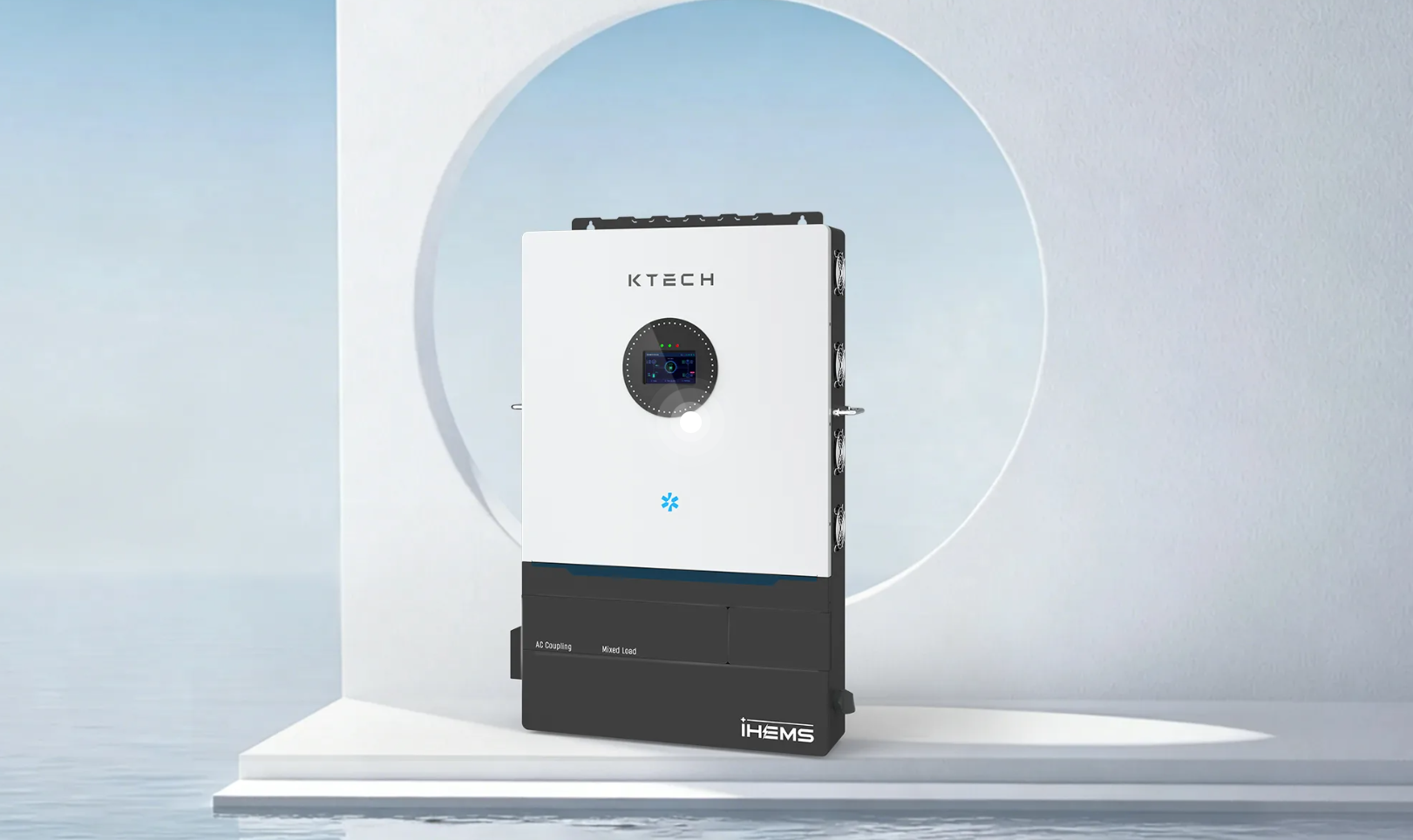
Don’t chase shiny logos. Match specs to real loads, check island behavior, and verify service where you live. I seen brands that pay attention to the small, practical fixes that keep systems running — Ktech shows that kind of practical focus by giving clear specs and support that matter on real installs, not just sales pages.