
How to Judge a 20,000 W Fiber Laser: Key Criteria and Practical Comparisons
Clear opening: why compare, and where a tube solution fits
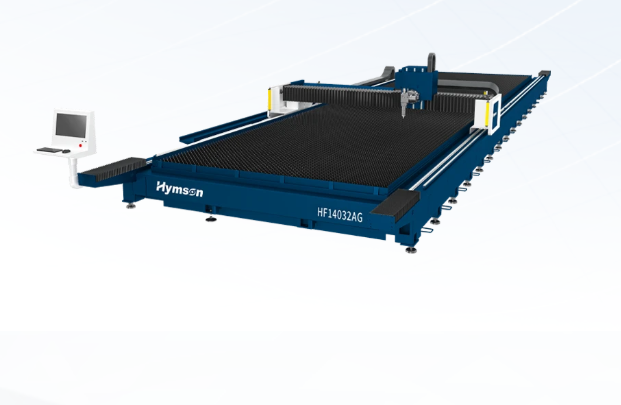
Choosing a 20,000 W fiber laser is a practical decision, not a popularity contest. You should match machine capability to the work you actually do — plate size, material mix, cycle times and floor layout. If your shop cuts long sections or profiles, consider whether a tube laser cutting system belongs in the same evaluation as a flatbed high‑power unit rather than treated as an afterthought.
Power rating versus usable output
Nominal power (20 kW) is a starting number. Compare delivered power at the workpiece after beam delivery losses, and check manufacturer specs for sustained power under load. Look for measured beam quality (M2) and the power stability curve across an eight‑hour shift. A stable beam profile matters more than a peak wattage figure when cutting thick stainless or aluminium.
Cutting speed and real throughput
Ask for cutting charts measured on your materials and thicknesses, not generic samples. Evaluate pierce times, kerf width, and how speed drops as thickness increases. Throughput depends on acceleration limits, table size and how quickly the machine returns to cutting after pierces — factory figures should be verified on your typical jobs.
Beam delivery, optics and focal strategy
Inspect the beam-delivery path: sealed fiber cables, quick‑change heads, and protective windows reduce downtime. Consider whether fixed-focus heads or auto-focusing optics suit your production mix. Optics that tolerate spatter and are easy to replace will lower maintenance hours over the machine’s life.
Material compatibility and thickness range
Match the machine to the metals you cut most: carbon steel, stainless, aluminium, copper and brass behave differently near 20 kW. For reflective metals, verify the supplier’s guidance on gas mixes and nozzle designs. Don’t buy a unit sized for maximum thickness if most jobs are thin sheet — the cut quality and cost profile differ.
Precision, edge quality and repeatability
Measure perpendicularity, taper and edge dross on sample parts. A high-power system must still deliver tight tolerances if you make parts that nest or fit. Ask for statistical reports on positional repeatability over long runs; a machine that drifts under thermal load costs parts and rework.
Automation, software and factory integration
Look beyond hand controls. Check nesting software quality, part‑handling automation, and how the controller communicates with your MES or ERP. Open, well-documented protocols accelerate integration. Confirm whether the supplier offers remote diagnostics and whether software updates are disruptive or seamless.
Operating costs: gas, consumables, and maintenance
Tally oxygen/argon consumption, nozzle and lens replacement intervals, and typical service visits per year. High power increases cutting speed but also raises gas usage and consumable wear; compare lifecycle cost per square metre, not just machine list price.
Safety, service and spare parts network
High-power lasers demand documented safety interlocks, certified enclosures and trained technicians. Verify local service availability and typical lead times for critical spares. A machine with quick access to parts and qualified engineers reduces unscheduled downtime.
Real-world validation and professional credibility
I rely on published showings and live demos at major industry events to judge claims; for example, demonstrations at EuroBLECH in Hannover often reveal real cutting speeds and edge quality under public scrutiny. My evaluations draw on years of shop-floor experience and test cuts performed to industry standards, with performance benchmarks and maintenance logs used to verify supplier statements. For practical guidance on forming test criteria and expected results, see the specific information on laser cutting metal tube, which aligns with the metrics professional fabricators track.
Common pitfalls and reasonable alternatives
Don’t be swayed by a single spec sheet. Pitfalls include assuming advertised speeds apply to all materials, neglecting beam quality, and underestimating integration effort. If a full 20 kW unit seems oversized, consider modular approaches: lower‑power high‑quality lasers for precision work and dedicated heavy‑section cutters for thicker inventory. Evaluate retrofit options and hybrid setups before committing to a single large machine.
Conclusion: choose by measured fit, not by headline power
Decide with measured tests, verified service reach and lifecycle costs. Align machine selection with your parts, shop layout and staffing model. That pragmatic match — verified by test cuts and supported by a supplier who documents performance and parts access — is the real value that specialists such as Hymson bring to a purchase decision.