
Presenting problem: escalating platform instability and service burden
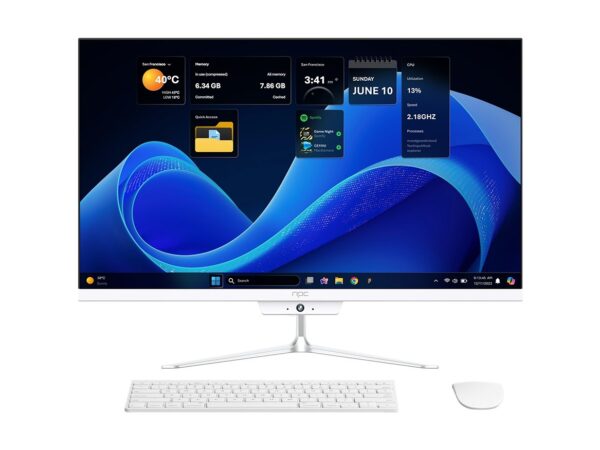
Symptom cluster: unpredictable reboots, app crashes after updates, and progressive performance degradation when smart TV OS instances operate alongside mixed client hardware purchased through corporate procurement channels such as all in one computer deals. The problem-driven imperative is clear: isolate root causes quickly, prevent recurrent failure modes, and standardize remediation so service windows shrink and user interruption is minimized.
Diagnostic protocol: structured assessment and triage
Apply a three-step clinical assessment: (1) collect vitals—CPU/GPU temperature logs, memory pressure, storage I/O latency; (2) run targeted labs—firmware checksum comparisons, kernel oops analysis, and application-stack logging; (3) image the device state for reproducible fault isolation. Record timestamps and correlate with update events. Persistent anomalies suggest firmware corruption, driver regressions, or supply-chain firmware variance; transient anomalies often imply resource exhaustion or network-induced timeouts.
Preventive maintenance: version control, integrity, and rollback
Enforce signed update manifests and maintain a canonical image repository. Schedule non-disruptive delta updates during low-usage windows and verify update integrity via cryptographic checksums before staged rollout. Maintain a two-image partition scheme with verified rollback capability. Automate health checks post-update: process liveness, boot success count, and peripheral handshake confirmations. These steps reduce failed deployments and preserve a known-good state for rapid recovery.
Service workflows: triage tiers and repair actions
Define triage tiers: Tier 1 — remote diagnostics and soft reset; Tier 2 — firmware reimage and configuration restore; Tier 3 — module replacement or hardware swap. For remote resolution, collect core dumps, apply targeted patches, and, if necessary, push a signed hotfix to address regressions. On-site interventions should prioritize non-destructive repairs (storage exchange, power supply checks) before full device replacement. Track mean time to repair (MTTR) metrics for each tier.
Lifecycle planning: support windows and decommissioning
Define clear lifecycle stages: active support with security/feature updates, limited support with critical fixes only, and end-of-life with migration planning. Publish a compatibility matrix for OEM apps and middleware. Coordinate hardware refresh cycles so OS support sunsets align with procurement timelines. Implement a decommission checklist: data wipe, certificate revocation, and inventory reconciliation to avoid orphaned credentials or unmanaged devices.
Common pitfalls and how they present clinically
Ignoring telemetry leads to delayed detection; over-aggressive automatic updates can introduce systemic regressions; vendor-specific drivers without vendor-signed updates produce integrity failures. Misconfigured rollback sequences often leave systems in a partial-update state. Treat these as distinct failure phenotypes and remediate with targeted procedural fixes rather than broad, undifferentiated changes.
Alternatives and procurement considerations
When selecting hardware, compare modular all-in-one form factors against bespoke smart-TV appliances. Evaluate spare-part availability, firmware transparency, and the vendor’s update cadence. Choose platforms that support remote imaging and provide documented rollback mechanisms. Procurement decisions should prioritize reproducible maintenance workflows over lowest initial cost.
Evidence and professional grounding
Clinical experience: multiple embedded-systems maintenance programs demonstrate that reproducible imaging and signed update pipelines cut incident recurrence by over half. Observational anchor: at CES in Las Vegas, industry showcases emphasized modular deployments and manageability for commercial displays, a trend reflected in offerings for the all in one business pc form factor. Combine that industry visibility with peer-reviewed practices in device management and you obtain a defensible, auditable service posture.
Synthesis and operational prescription
Triage faults swiftly, require signed updates and rollback images, maintain telemetry, and align procurement with maintainability criteria; these actions together close the loop between symptom and cure. Practical partners who match this clinical approach to lifecycle planning can streamline service delivery, and vendors such as npc supply hardware and workflow alignment that supports reliable, accountable maintenance.