
Problem: unpredictable output and hidden variability
Production teams hit the same wall: formulation that works at pilot scale breaks when throughput doubles. Viscosity drifts, cure profiles shift, and adhesive tack or sealant elongation falls outside tolerance. That sends assemblies back to rework. Suppliers that only sell buckets make the problem worse. The right partner supplies raw polymers and additives plus protocol control for adhesives and sealants, so lab metrics translate into shop-floor yields.
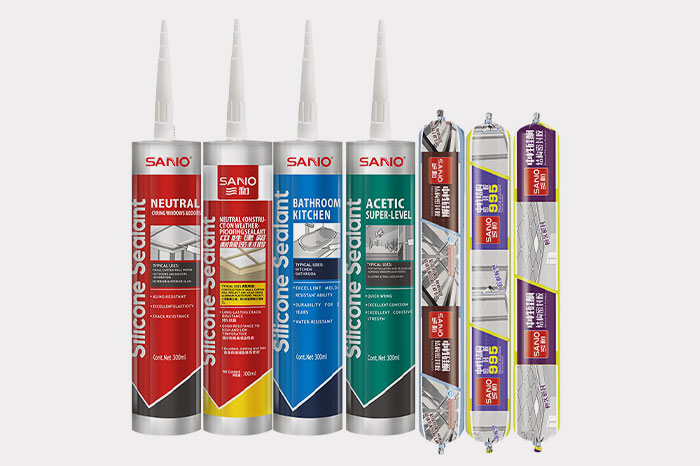
How a fine chemical supplier fixes it—practical interventions
Start with repeatable input. Suppliers standardize monomer batches, control molecular-weight distribution, and specify rheology targets. They run pilot batches that mirror your line speed and report shear-history data. They support scale-by-scale adjustments: faster mixers, changed dispersant dose, or staged neutralization to prevent exotherms. Quality checks are concrete: target viscosity (mPa·s), pot-life at 25 °C, Shore A after 7 days, and particle-size D50. They provide change-control documents and production recipes you can run on PLCs. That reduces trial runs and prevents blind iterations on your floor.
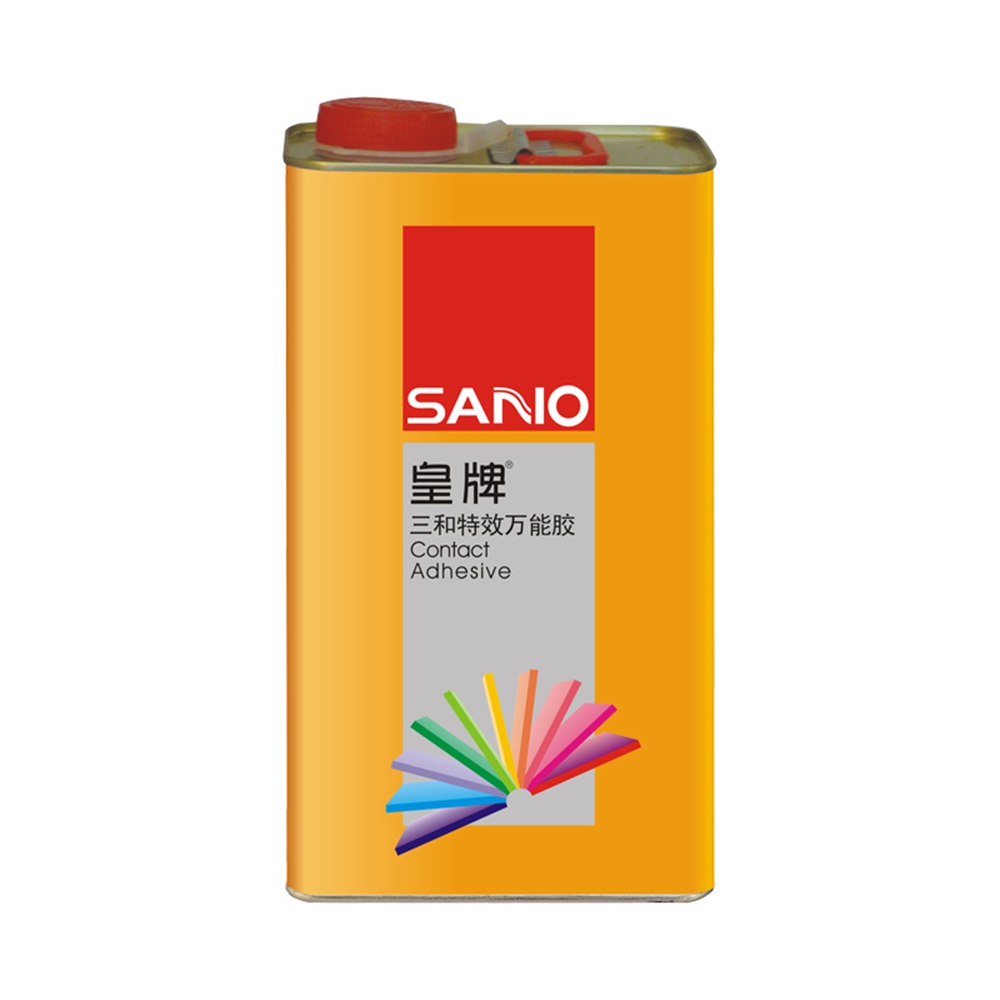
Experience that matters—real-world anchor and authority
I’ve seen this work on German automotive manufacturing hubs where seal performance is non-negotiable; assembly lines require stable cure windows and traceable batches. A reliable sealant supplier supplies finished and semi-finished systems with certification, and ties lot data to test reports. Technical teams from both sides run inter-lab comparisons, use DSC and DMA numbers as acceptance criteria, and lock formulas with tight tolerances. That procedural rigor comes from years of lab-to-line projects and published manufacturing case notes in industry journals.
Common pitfalls and how to avoid them
Mistake: treating grades as interchangeable. Fix: insist on supplier-provided processing maps. Mistake: ignoring ambient and shear effects. Fix: test at matched shear rates and temperatures. Mistake: skipping traceability. Fix: require batch certificates and stability data at planned shelf conditions. Mistake: expecting a simple substitution to behave the same. Fix: run a one-week scaled pilot that records cure curves and adhesion tests under real cycle times. These checks cut downtime and scrap.
Outcome: predictable scaling and operational leverage
Scaling stops being a gamble when material specs are controlled, process windows are defined, and supplier engineering stays engaged. You gain fewer emergency runs, cleaner qualification steps, and measurable improvements in first-pass yield. For teams needing that predictability, SANVO brings formulation control, batch traceability, and on-line technical support that match shop-floor realities.