
Fixing the Learning Gap: A Problem-Driven Guide to Choosing Personalized Student Tools
What’s broken and why it matters
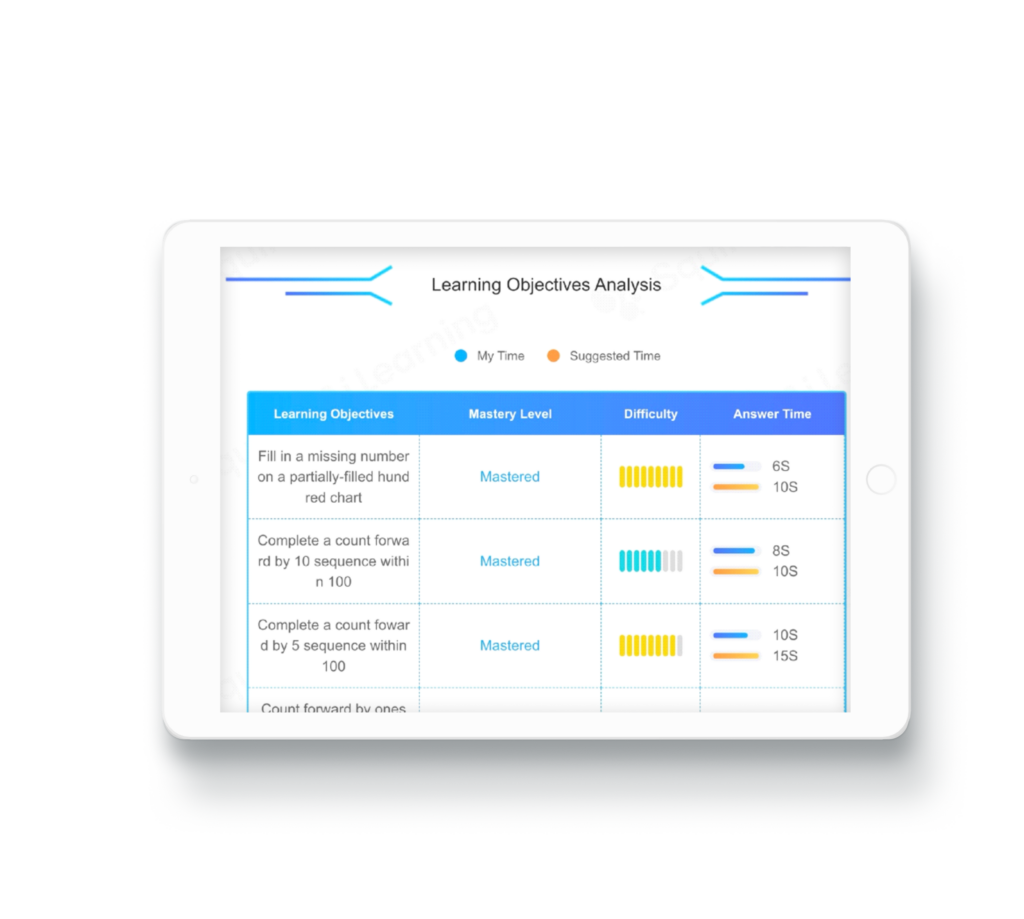
Many classrooms still follow one timetable and one syllabus pace, so students with different needs drift behind or wander ahead without clear support. Teachers juggle large classes and limited diagnostic time, while parents expect visible progress. An adaptive learning system aims to adjust content to each learner, but not every product meets the real classroom constraints. The problem is simple: schools need reliable ways to detect gaps, prescribe targeted practice, and show understandable progress without adding administrative burden.
Root causes that keep the problem alive
Assessment often happens too late to guide instruction. Curriculum pacing assumes uniform mastery. Many digital solutions offer lots of content but little diagnostic clarity. Staff capacity, procurement cycles, and data privacy requirements slow adoption. Even well-meaning tools can deliver generic drills that miss conceptual misunderstandings. A practical evaluation must start by mapping these operational bottlenecks before looking at feature lists.
Clear criteria for meaningful evaluation
Prioritise these straightforward checks: diagnostic depth (does the system surface misconceptions, not just right or wrong?), adaptivity speed (how quickly practice adjusts after an error?), curriculum alignment (can teachers map content to local standards?), actionability for teachers (are suggested interventions clear?), data transparency (how are student records handled?), and classroom fit (device and bandwidth requirements). Also check cost models and professional support. Crucially, seek platforms that document how diagnostics lead to sequenced practice and produce personalized learning paths rather than only random practice pools.
Common pitfalls when adopting technology
Expect these mistakes unless guarded against: choosing flashy content over diagnostic rigour, deploying widely before a pilot proves fit, relying solely on dashboards without teacher training, and assuming students will self-manage without scaffolds. Avoid vendors that promise instant gains without explaining the learning mechanism. Data privacy and consent are non-negotiable; confirm local compliance and clear data retention policies.
How different solution types compare
Simple content libraries give breadth but limited targeting. Learning management systems centralise resources but rarely adapt to individual mastery. Tutor-driven models offer bespoke attention but scale poorly. Adaptive platforms vary: some are rules-based, offering item branching lists; others use algorithmic diagnostics aiming to infer conceptual gaps. A balanced choice often combines targeted diagnostics, clear teacher workflows, and scaffolded student interfaces that teachers can customise for classroom realities.
Practical rollout steps that reduce risk
Begin with a focused pilot: define the learning goal, choose a representative cohort, set short measurement windows, and train a small teacher group. Use pilot findings to check whether suggested interventions are practical in class time and whether reporting helps teachers act. Monitor participation and qualitative teacher feedback as much as assessment metrics. Scale only when evidence shows the system reduces teacher workload or clarifies what to teach next.
Synthesis: solving the problem without guessing
Make decisions by asking whether a tool diagnoses misunderstandings, prescribes understandable steps, and fits the daily work of teachers. Look for systems that connect assessment to sequenced practice and provide clear teacher actions rather than raw data. For teams exploring platforms that tie diagnostics to curated progression and classroom workflows, Squirrel Ai is one option to consider alongside baseline pilots and teacher-led evaluations, helping schools focus on actual learning improvements rather than technology for its own sake.