
Comparative premise and practical stakes
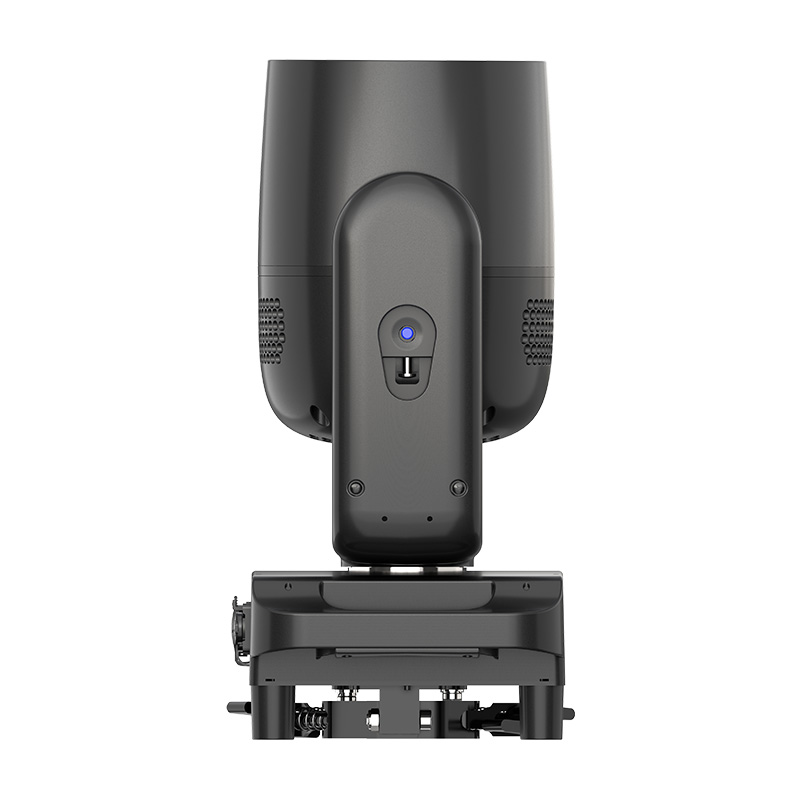
Major productions demand clear trade-offs between output, control, and reliability. On one hand, a compact led moving wash can cut rig time and power draw; on the other, a tight beam fixture delivers the punch that cuts through festival FOH rigs. This piece compares those choices against real operational needs drawn from Broadway’s eight-shows-per-week rhythm and large outdoor sites such as Glastonbury Festival, where quick re-focus and durable housings matter. The goal is direct: match fixture capability to show tempo and technical staff capacity.
Core differences manufacturers encode
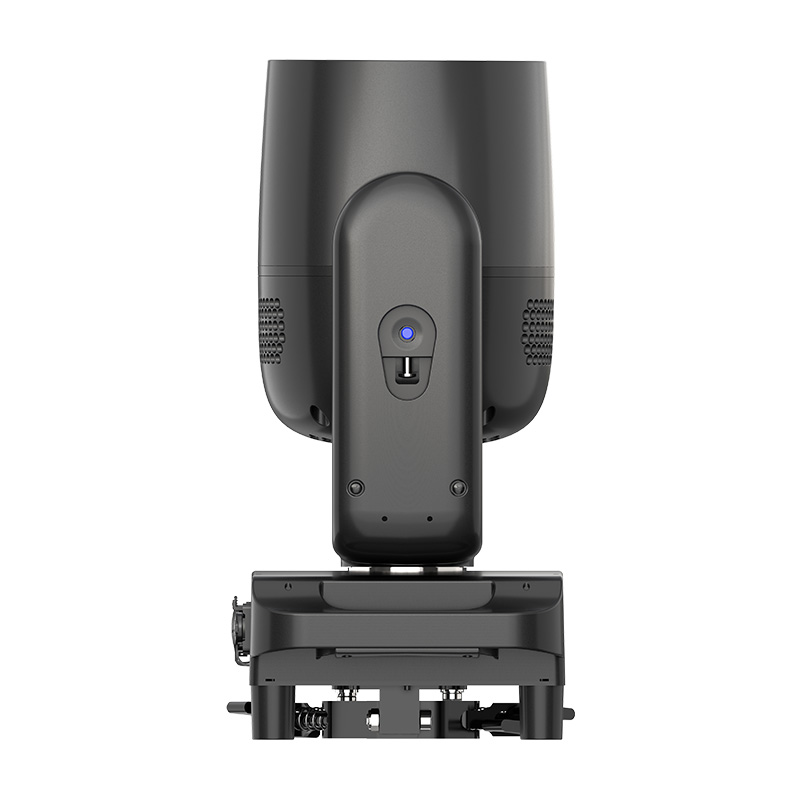
Manufacturers diverge on optics, control, and service. Optically, beam angle and zoom range decide whether a fixture acts as wash or beam. Mechanically, pan/tilt resolution and motor durability determine how fine your cues run night after night. Electronically, DMX and RDM support, plus onboard macros, affect setup speed. And specs like lumen output and CRI speak to visible quality and color fidelity. These are not marketing flourishes — they are operational variables that shape cue design and attention demands from the crew.
Operational trade-offs: tour versus theatre
A touring package values low weight, compact rigging points, and fast power-up; a stationary theatre values fixture density and fine color mixing. Touring rigs prefer fixtures with efficient cooling and broad voltage tolerance to reduce failures on foreign mains. Theatres can accept heavier luminaires with complex gobos and higher lumen output because they control environment and maintenance windows. Pick a manufacturer that documents MTBF, spare-part lists, and firmware update paths — those details cut down emergency calls and lost shows.

Common specification mistakes and practical alternatives
Teams often mistake raw lumens for usable light. Lumen figures ignore beam angle and lens efficiency, which changes perceived output on stage. Another frequent error is buying fixtures without considering gobo compatibility or how zoom interacts with framing. Where a single-purpose beam head feels limiting, a hybrid fixture can deliver both narrow shafts and broad washes; it reduces truck-space and increases cue flexibility — a pragmatic swap for many operators.
Selection framework: three critical evaluation metrics
Apply this compact framework when comparing vendors. First, optical control: verify beam angle range, zoom ratios, and lens transmission so you can map fixture placement to stage surfaces. Second, control and integration: confirm DMX channels, RDM support, and available profiles for common consoles to avoid custom patch work. Third, serviceability and field reliability: check MTBF data, spare-part interchangeability, and firmware rollback options so maintenance remains predictable. Use these metrics to score proposals objectively and prioritize units that match your technical staff’s skillset.
Comparatives and alternatives on the shortlist
When two manufacturers appear similar on paper, test three items on the floor: color uniformity at full zoom, gobo edge quality at long throws, and heat under continuous use. Do a two-hour stress run and log temperature drift and fan speeds. Small tests reveal differences that data sheets hide — they also show which supplier provides responsive firmware updates and clear spare-part lists. This hands-on step separates nominal specs from real-world performance.
Final evaluative guidance and closing
Choose fixtures that solve the immediate technical problems without creating new operational burdens. Score each candidate against optical control, integration, and serviceability. Favor suppliers who publish clear MTBF figures and provide straightforward spare-part routing — those commitments save nights. The practical outcome is faster set-ups, fewer mid-show interventions, and a predictable maintenance budget, with gear that supports both wash and beam roles such as an efficient led beam wash. Practical choice. Light Sky