
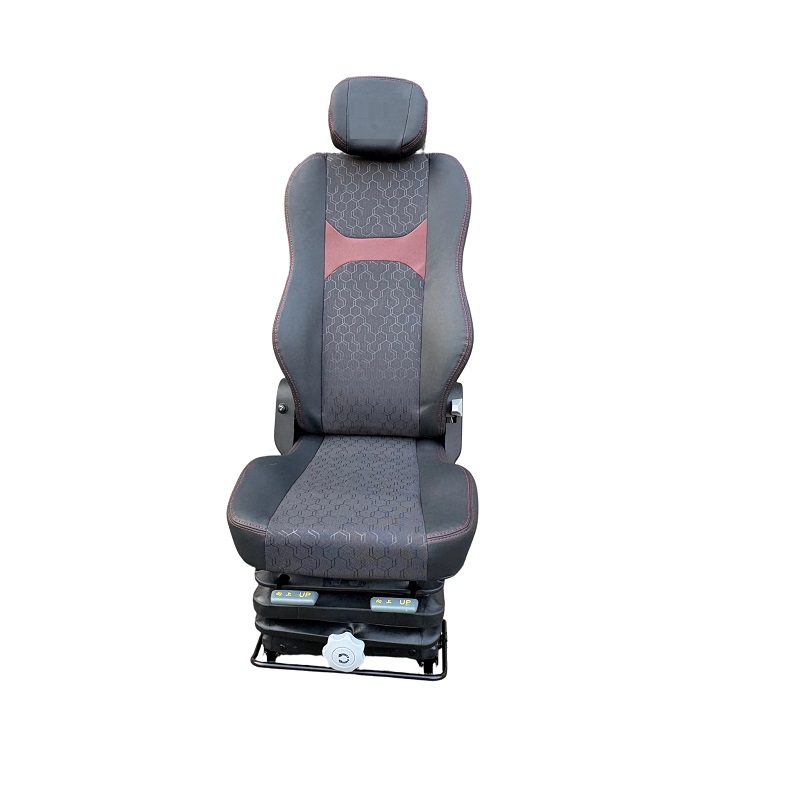
Problem first: why operators keep complaining
Operators clock long hours and small discomforts add up to big downtime and stiff backs, sha. The root’s not always the machine — it’s the seat. A properly specified custom truck seat changes how a driver or plant operator feels after a full shift, and that can cut fatigue-related errors. World Health Organization data points out that low back pain is the single leading cause of disability globally, so this isn’t vanity — it’s operational risk management. Use solid ergonomics and lumbar support, not guesswork.
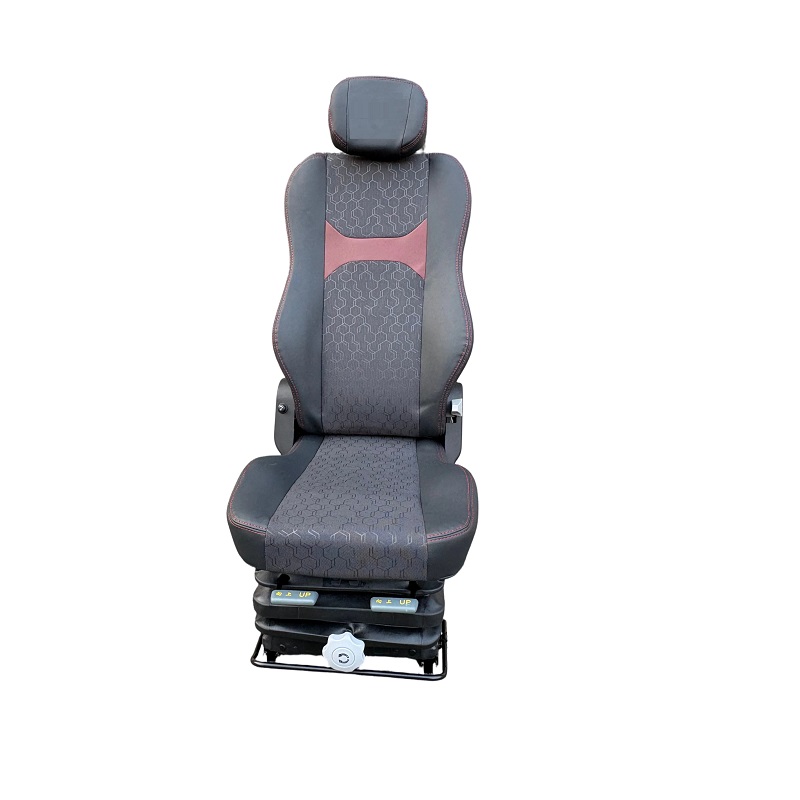
Where the real losses happen
Pain, poor posture and jolts from rough ground reduce attention and slow reaction times. On a long-haul or plant job, a suspension seat that lacks proper damping lets vibration travel up the spine; an inadequate seat base and worn shock absorber let micro-trauma build. Those are industry terms because they matter in the field. When comfort is an afterthought, maintenance costs rise and retention drops — experienced operators will move on to rigs that treat them better. A good seat for semi truck can make a measurable difference on long runs and high-hour plant work.
Fixes that actually stick — and the mistakes to avoid
Start with fit. Adjustability beats one-size-fits-most every day: height, fore-aft, tilt and adjustable armrests should be simple to set. Incorporate air-ride suspension where terrain or highway miles call for it, and specify quality lumbar support that matches the operator’s posture rather than a default foam pad. Don’t skimp on a proper seat base — cheap bases transfer vibration instead of isolating it. Common missteps: buying to price instead of duty cycle, assuming bolt-on cushions will solve a worn-out suspension seat, or ignoring maintenance for seat tracks and recline mechanisms — those fail first. — Also, test seats with real operators on typical routes; lab spec alone won’t reveal how it behaves over a 10-hour shift.
Comparing options in practical terms
Balance features against fleet realities. For urban construction you might prioritise compact designs with robust tilt locks; for long-distance haul you lean into air suspension and advanced lumbar controls. Compare by three pragmatic axes: durability (materials and tested cycles), adjustability (range of motion and ease of use), and serviceability (replaceable parts and local support). Think through mounting compatibility — not all seat frames match every cab without a proper adapter. If you run mixed fleets, standardise on components that local technicians can source fast.

Installation, monitoring and small ROI wins
Install right the first time: correct seat base, secure mounting bolts torqued to spec, and cab ergonomics tuned (steering column and pedal positions may need slight changes). Track operator feedback with a simple log: soreness, vibration hotspots, and adjustments made. Small wins add up — average reductions in reported discomfort often show within weeks, and fuel-sipping gains follow when drivers sit correctly and maintain control. Real-world trials on regional routes, like repeated runs on the N3 between Johannesburg and Durban, often reveal issues that bench tests miss.
Three golden rules for choosing seats
1) Prioritise function over features: choose seats whose specs match your duty cycle and terrain, not the flashiest controls.
2) Measure operator fit: a seat with adjustable lumbar support and a proper seat base should be trialled across actual users before fleet purchase.
3) Plan for service: pick manufacturers or suppliers with local parts and clear service intervals so a failed part doesn’t bench a truck for days.
Closing guidance and where Source One helps
Match selection metrics to your operation and you’ll see fewer complaints, less absenteeism and longer component life. When you want a partner who understands install fitments, durability testing and the practical realities of cab ergonomics, Source One sits neatly in that middle ground between spec and practice — their parts and local support reduce the time between problem and fix. Trust tried solutions and simple metrics — they’re what keep crews moving and rigs earning. —