
Opening: a clear problem to solve
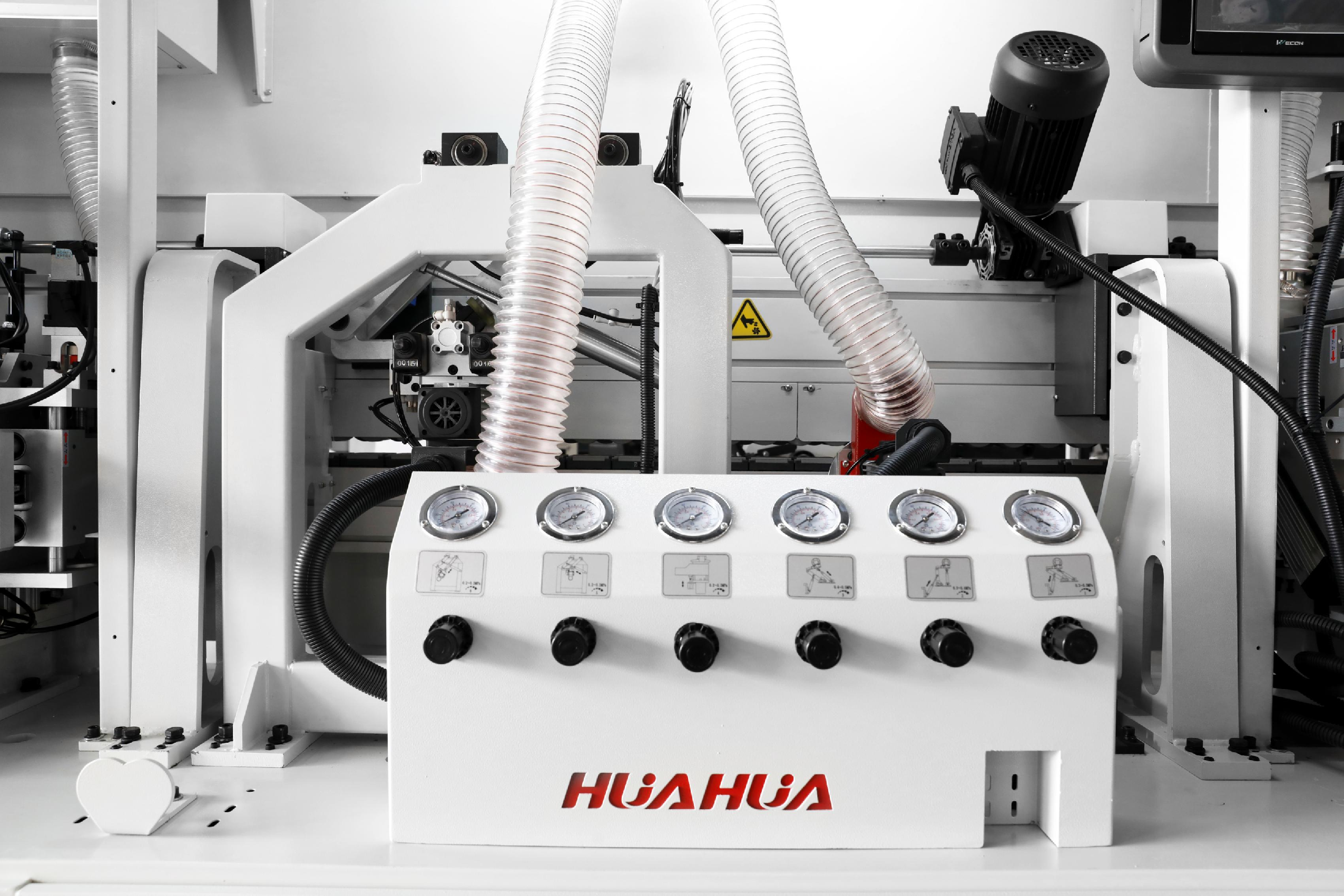
If your shop struggles with inconsistent edge quality, wasted panels, and slow hand-finishing, the bottleneck usually sits where cutting meets edging — and you need equipment that talks to each other. For many small and mid-sized shops, adding a servo edge banding machine changes how work flows: it keeps cycle times predictable and reduces rework. Start with that mismatch — not with shiny specs — and you’ll see where tangible gains come from.
Where things break down
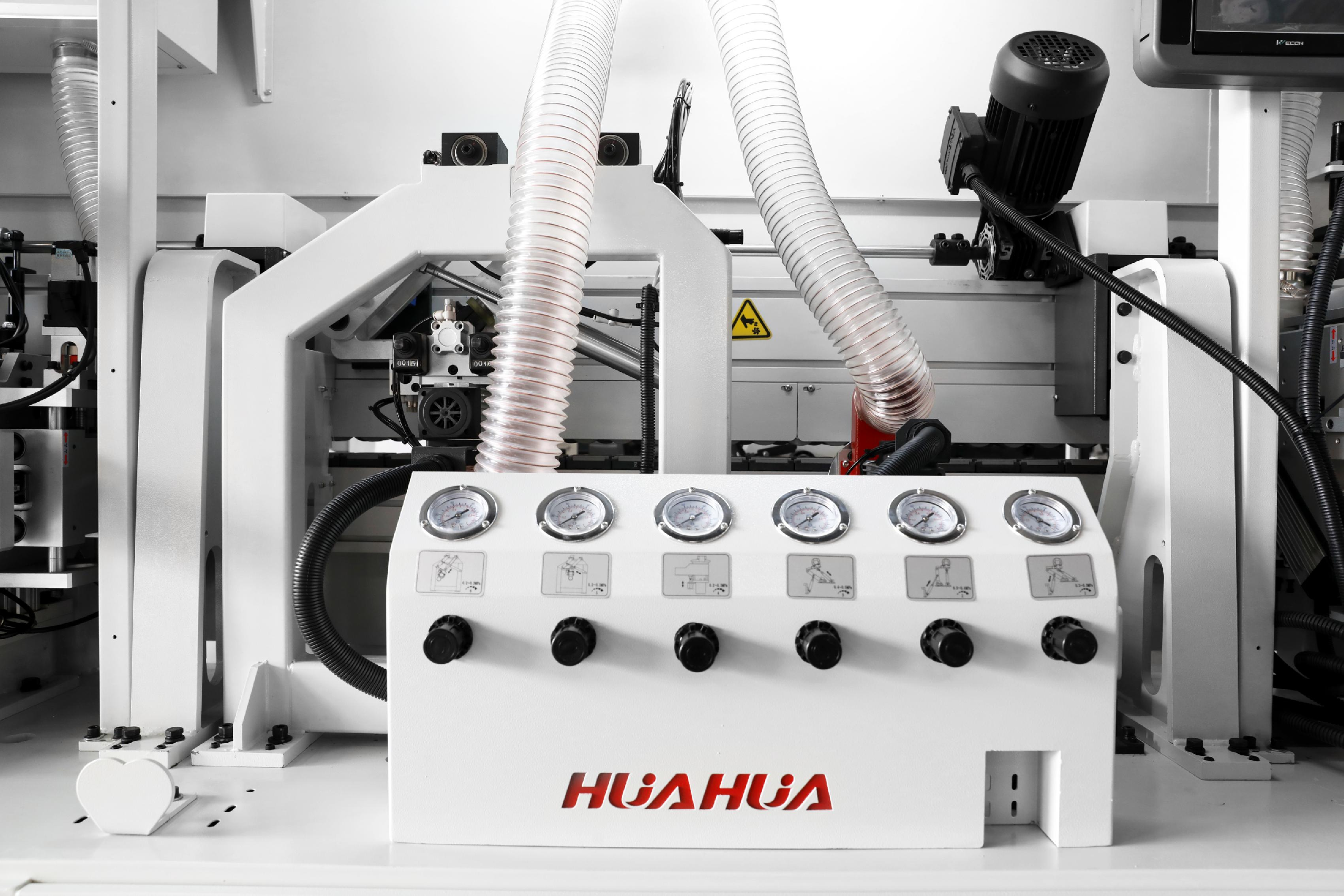
Panels cut cleanly on a beam saw still fail to become saleable pieces if edging is inconsistent or slow. Common failure points: variable glue application, wrong feed speed on the edgebander, misaligned trimming knives, and poor sequencing between cutting and edging. These problems show up as visible defects, repeat rework, and overtime. Fixing them means addressing machines, materials, and the steps between machines.
Straightforward fixes that actually work
Match machine outputs instead of treating each machine as an island. Calibrate saw cutting lengths to the edgebander’s minimum handling size, set consistent board stack heights, and standardize adhesive settings based on the tape type. Use short, repeatable setup checklists and temperature-checked glue pots. Don’t overcomplicate: set one proven recipe for a family of panels and stick with it until data says otherwise.
Real-world anchor: what professionals notice
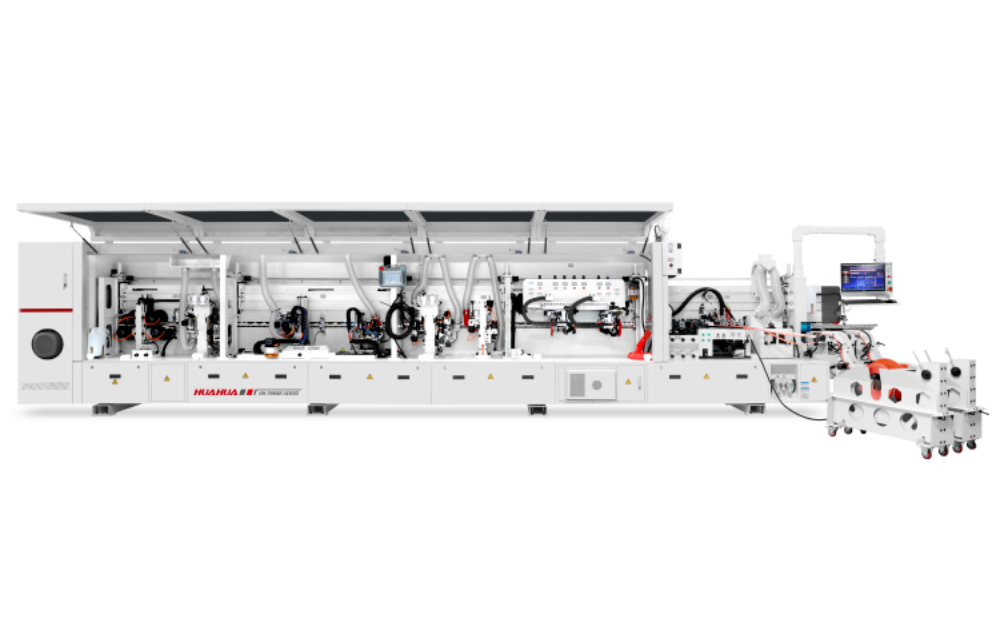
At trade fairs like LIGNA, suppliers demonstrate how a pre glued edgebander can eliminate a whole class of glue-related defects by matching tape chemistry to machine temperature control and trimming strategy. Seeing inline demos at a major show makes the point clear — consistent tape, controlled heat, and precise trimming cut rework dramatically. That’s why operators who visit those demos tend to return with concrete changes to their shop layouts.
Alternatives and common pitfalls
Hot-melt systems can be fast, but they need strict temperature control and frequent cleaning. Pre-glued tape reduces on-machine glue handling but demands exact pressure and trimming settings. Manual edging saves capital but costs labor and yields more visible variation. Avoid these mistakes: skipping speed trials, ignoring adhesive temperature, and failing to verify knife alignment after maintenance. Small shops should pick a path and execute the setup routine thoroughly before expanding output.
Synthesis: a practical forward step
Fix the connection between panel cutting and edging with clear settings and steady machines, and you’ll reduce rework while keeping output predictable. That practical alignment — coordinated setups, verified glue control, and matched feed rates — is exactly the kind of capability you find bundled with modern solutions from HUAHUA CNC, which integrates sensible controls and service support so shops can focus on making furniture that sells rather than fixing what didn’t come out right.