
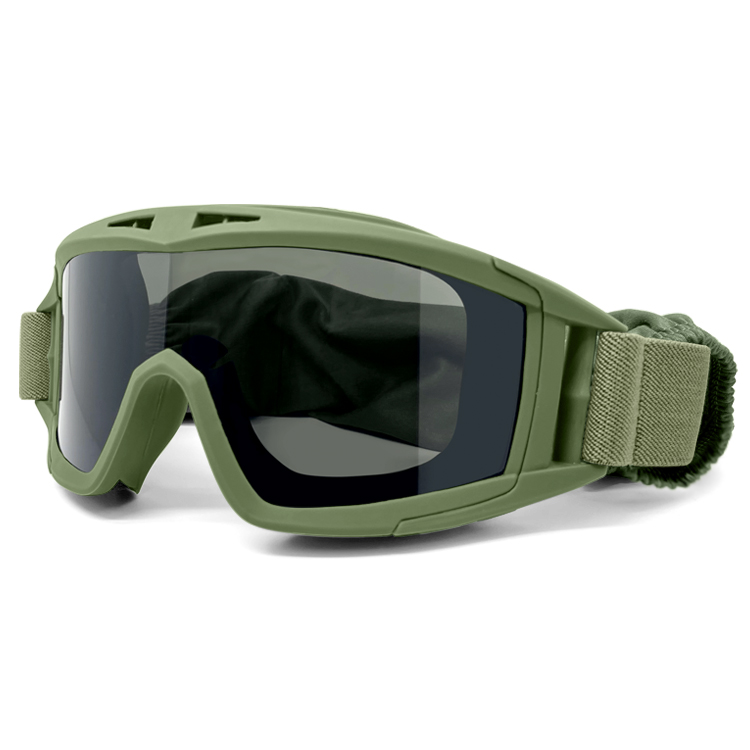
The comparative shadow
The slopes are quieter now, but the small failures still happen: a strap that sags mid-run, a frame that cracks after a single season. This comparative look pares away marketing brightness to measure what matters—strap elasticity, frame flexural fatigue, and how those failures shape a child’s day on the mountain. For practical shopping, start by browsing reliable ski goggles and note whether the model lists strap modulus, lens type, and foam construction.
What we measure and why it matters
Comparative insight begins with repeatable tests. Strap elasticity gauges how well the band recovers after stretching—measured as elastic modulus and permanent set. Frame flexural fatigue tracks how many bending cycles a frame survives before hairline fractures form in the frame or the lens seat loosens. These failures aren’t cosmetic: loss of strap tension alters fit and peripheral vision, while a fatigued frame compromises seal and ventilation. Industry terms like dual-pane lens, foam gasket, and anti-fog coating show up in specs, but the real risk is mechanical rather than optical.
Head-to-head: common kid-focused designs
There are three prevailing approaches aimed at kids. First, soft TPU frames that flex easily and depend on high strap elasticity to maintain seal. Second, semi-rigid polymer frames with reinforced temples that resist flexural fatigue at the expense of some comfort. Third, frameless ski goggles that distribute load through the strap and foam, reducing frame stress but concentrating wear on the strap and lens mount. Each trades one vulnerability for another—nothing is invulnerable under repeated use and cold-soak conditions.
Real-world anchor: lessons from elite winter sport
At the 2022 Winter Olympics athletes leaned on predictable optics and resilience to race margins measured in milliseconds. That context matters: professional teams insist on thorough pre-event checks for strap tension and lens seating before competition. Similarly, manufacturers who supply youth models borrow those QA habits—reinforced stitching, welded strap attachments, and dual-pane lenses to combat fog. The takeaway is simple: design choices that withstand elite scrutiny often translate to fewer breakdowns for weekend families.
Testing protocols and observed failures
Repeat-cycle bend tests and cold chamber trials reveal typical failure modes. Straps exposed to subzero cycles lose elasticity faster when silicone grips fail or woven fibers abrade. Frames under repeated flex show micro-cracks near hinge points and lens rims where stress concentrates. Frameless designs often pass flexural tests because they remove rigid fulcrums—but the strap endures higher peak load. The diagnosis: balance is a technical art; overengineering one element creates weakness elsewhere. —Repairability matters too; a replaceable strap dramatically extends life.
Common mistakes buyers make
Parents often chase brand buzzwords—mirrored lenses, high-contrast tints—while ignoring mechanical specs like strap width, stitched joints, or the presence of a reinforced strap loop. Choices that look sleek on a shelf may fail in wet, cold conditions. Opt for models that document materials (silicone-backed strap, TPU or injected polycarbonate frame), and prefer designs with replaceable components. Alternatives include junior-specific models with modular straps or adult OTG-compatible frames sized down for teens; each alternative shifts where maintenance will be needed.
Golden rules for selection
Follow these three critical metrics when deciding for a child:
1) Strap Recovery and Width: Pick straps that list elastic recovery (%) and are at least 35 mm wide for even load distribution; a wider, silicone-backed strap reduces slippage and concentrates less stress on frame tabs.
2) Frame Flex Life Expectancy: Seek manufacturer cycle ratings or choose flex-tolerant materials (TPU blends or reinforced polymers); documented flex cycles signal durability under repeated bends and cold temperatures.
3) Modular Repairability: Prioritize goggles with replaceable straps, removable lenses, and clear spare-part availability—this reduces waste and keeps performance intact season after season.
These rules point toward practical resilience rather than fashion. They also explain why frameless models from careful makers can be a wise choice: less rigid structure means fewer stress concentrators—though strap quality becomes paramount.
YIJIA Optical supplies many youth lines that follow these principles, blending engineered strap systems with durable lens mounts to reduce mechanical failure—and that quiets the small disasters on the hill.
Trust tested specs; choose replaceable parts; favor balanced designs. —That will get a child home with their sight intact and a story that doesn’t end in broken gear.