
Introduction
Have you ever paused to ask why one pack of wipes feels so different from another?
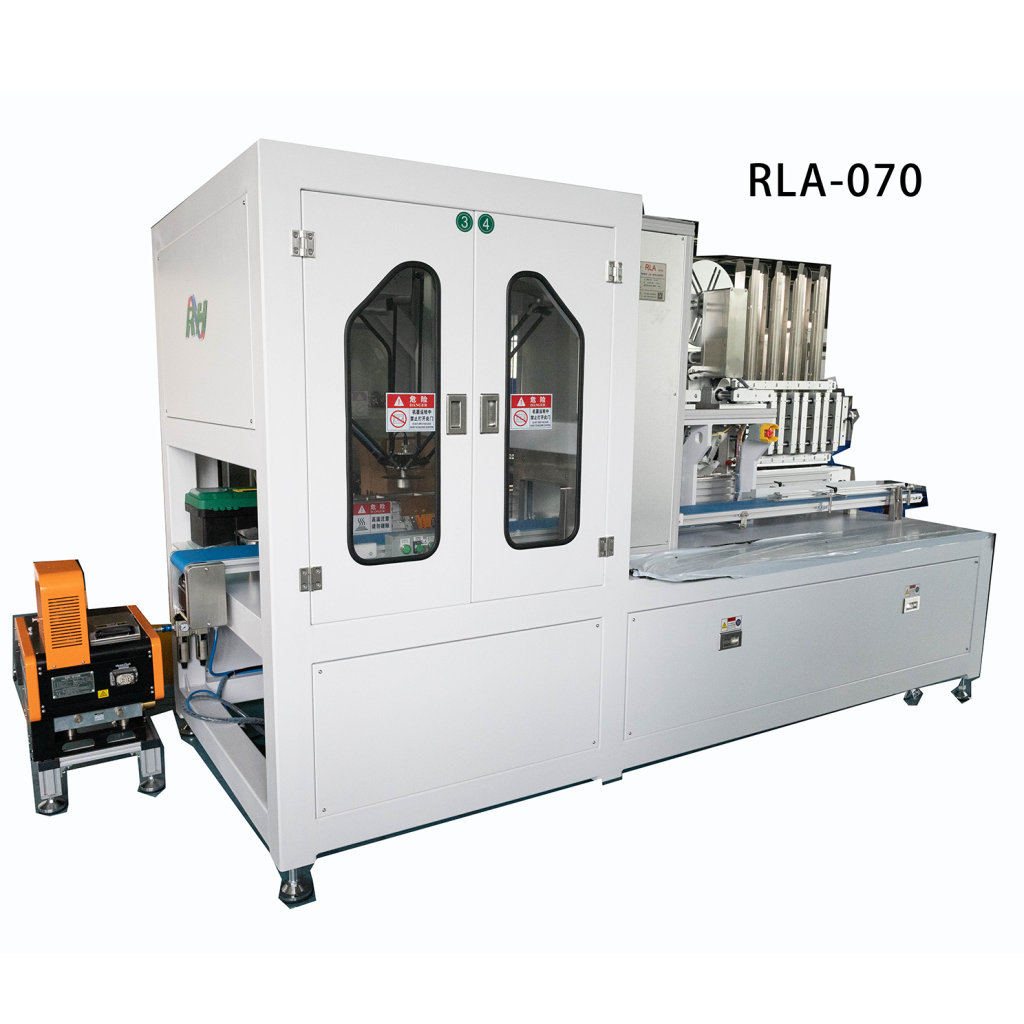
I’ve reviewed lines of equipment and watched production runs where a single variable changed the whole outcome — the wet wipes making machine is often the silent star (or bottleneck) behind those shifts. Data from small-to-mid manufacturers I spoke with shows yield swings of 5–20% just from setup and material handling choices. So what exactly causes that gap, and where should you look first?
Let’s walk through the practical factors, step by cautious step, and then dive into deeper issues that most buyers don’t see coming.
Why Traditional Systems Miss the Mark: Hidden Flaws and User Pain
Where do the real problems hide?
When I test a customized wet wipes manufacturing machine, I look past the glossy control panel. Many systems rely on legacy layouts that put throughput above flexibility. That shows up as frequent jams, uneven dosing, or poor edge quality. In short: the machine may run fast, but the product quality varies. I’ve seen servo motors strain to keep speed on older lines, PLC control logic that cannot adapt to different nonwoven types, and ultrasonic sealing heads that lose alignment after hours of use. Look, it’s simpler than you think — small mismatches add up.
Users also tell me about pain points that vendors underestimate. Changeover time is a killer for niche brands. If it takes an hour to swap rolls and tune tension for spunlace nonwoven, you lose a lot of profit. Maintenance access is another sore spot. When a drive needs a quick replacement, yet the layout forces partial disassembly, downtime stretches. We also run into inconsistent wetting systems — metering pumps that drift, or distribution manifolds that clog. These are not glamorous issues. But they cut yields and strain staff. I prefer machines that offer modular modules and clear fault logging — it saves both time and temper.
New Principles and Practical Paths Forward
What’s next for makers and buyers?
Looking ahead, I favor machines designed with flexible architecture. A modern customized wet wipes manufacturing machine should combine adaptive control, smarter sensors, and easier mechanical access. For example, integrating edge computing nodes near the line lets you monitor tension and moisture in real time. That reduces scrap. Also, updated power converters and compact drives make the system more stable during speed shifts. These upgrades are not science fiction — they are practical design moves that cut waste and speed changeovers.
To be concrete: invest in better sensor placement, choose servo-driven unwind/rewind stations, and insist on user-friendly HMI screens. Case studies I’ve seen show machines retrofitted this way cut changeover time by roughly 40% and reduce scrap by about 12% — measurable wins. — funny how that works, right? We should also look at lamination choices and sealing tech; sometimes a small switch from a basic heat seal to optimized ultrasonic sealing can lift perceived quality. In short, pick machines that respect both material behavior and operator reality.
How to Choose: Three Metrics I Use
I’ll finish with a short checklist I use when evaluating lines. These metrics help you compare options without getting lost in specs.
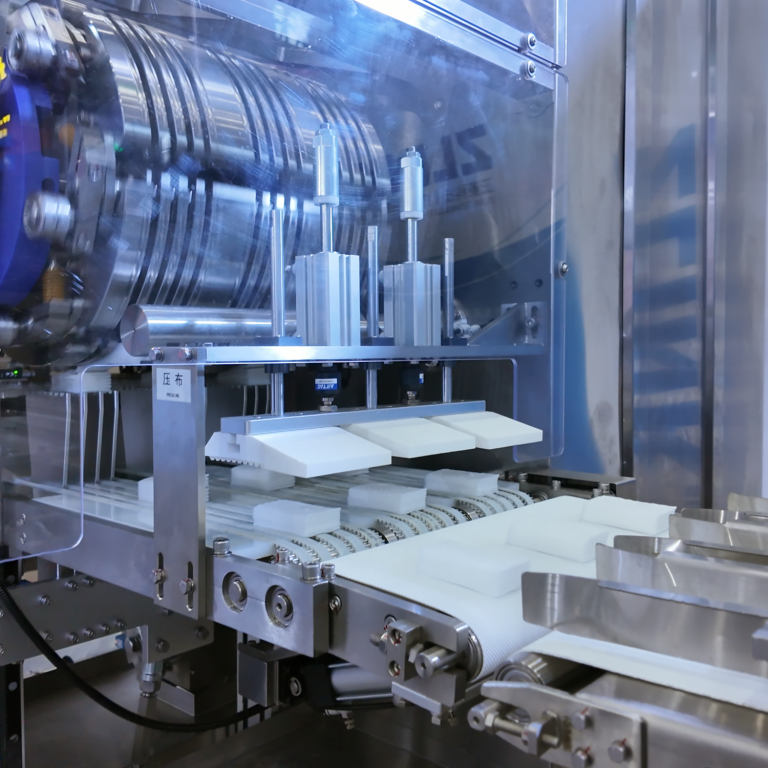
1) Changeover Time — Can a trained operator switch product specs in under 20 minutes? I value designs that enable quick roller swaps, clear tension presets, and straightforward calibration. 2) Data Readiness — Does the system offer local logging or edge analytics (basic dashboards, exportable logs)? If it can alert you to drift before scrap rises, it’s worth the cost. 3) Maintainability — Are wear parts easy to reach and replace? Look for modular modules, clear spare lists, and simple fault codes.
If you pick machines using those measures, you’ll cut surprises and protect margins. I’ve recommended these priorities to clients and watched them recoup costs within months — not years. For reliable partners and practical solutions, check trusted suppliers and their case histories. And if you want a starting point, consider equipment from ZLINK — they balance technical strength with real-world usability.