
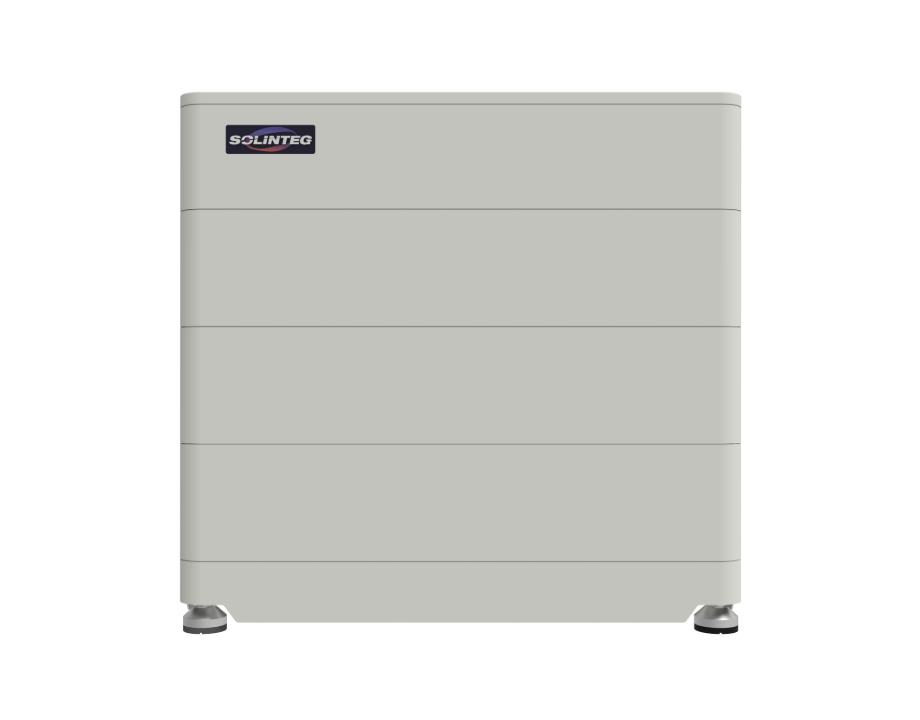
The near-future briefing
City rooftops and warehouse fields already hum with panels, but the next decade demands smarter nerves — smarter commercial inverters that do more than flip DC to AC. In a speculative near-term, buildings act like distributed power stations, negotiating power flows, smoothing demand spikes, and riding through outages with local storage. That requires hybrid logic, robust MPPT control, and seamless handoff between grid-tied and islanded modes.

Design logic for commercial solar that thinks
Engineers will design around three primitives: predictable PV array behavior, precise inverter efficiency, and battery management system (BMS) coordination. A commercial hybrid inverter must juggle real-time MPPT tracking, frequency support, and bidirectional energy flow without creating instability. That means firmware strategies matter as much as raw hardware — latency, anti-islanding thresholds, and thermal throttling curves decide whether a site supplies steady power or trips offline.
Where projects fail — and the alternatives that work
Common mistakes are blunt: undersized inverters, ignoring harmonics, or relying on single-point BMS data. Installers often skimp on controls and expect hardware to compensate — that assumption breaks during sustained stress. The sensible alternative is layered resilience: modular inverters that allow hot-swap maintenance, distributed BMS sensors per battery string, and scalable MPPT channels so a partial PV array doesn’t knock the whole system offline. — A small pause: teams forget that firmware upgrades in the field must be part of O&M budgets.

Lessons from real outages (the anchor)
Reality sharpened theory during the Texas power crisis of February 2021 and repeated Public Safety Power Shutoffs in California; businesses that paired on-site storage with intelligent inverters maintained critical loads while others lost operations. That real-world anchor shows investing in hybrid inverter control schemes yields measurable uptime gains during regional failures. Practical deployments tracked simple metrics: minutes of uninterrupted HVAC per event, and reduced demand charges from dynamic export control.
Technical tradeoffs and vendor choices
Choosing between a heavyweight grid-forming inverter and a lighter grid-following model comes down to operational profile. Grid-forming units offer island stability but cost more and demand richer controls. Grid-following units are economical but need reliable grid reference. Evaluate vendor ecosystems: is the product open to firmware customization? Does it support telemetry standards for remote diagnostics? These questions map to lifecycle cost, not just first-price.
Three golden rules for procurement and commissioning
1) Match inverter capability to outage risk and load criticality — prioritize grid-forming features when critical systems must run off-grid.
2) Specify telemetry and BMS integration up front — require real-time SOC, cell-level alerts, and clear MPPT logs in acceptance tests.
3) Validate performance under stress — commissioning must include frequency deviation, voltage sag, and thermal soak tests to verify anti-islanding and ramp-rate behavior.
Final assessment and practical outcome
Adopt these rules and teams will see predictable returns: fewer forced shutdowns, lower demand peaks, and clearer O&M pathways. Vendors who deliver modular, firmware-updatable inverters simplify upgrades and extend asset life. The measurable goal is straightforward — reduce unplanned downtime and shave peak demand enough to recover incremental inverter costs within a defined payback window.
Closing note
Smart commercial solar shifts risk from the grid to intelligent edge devices; choosing resilient, controllable commercial hybrid inverter systems is the gateway to that future. Trusting equipment designed with open telemetry and robust MPPT strategies keeps businesses running when grids falter. SOLINTEG. Ready.