
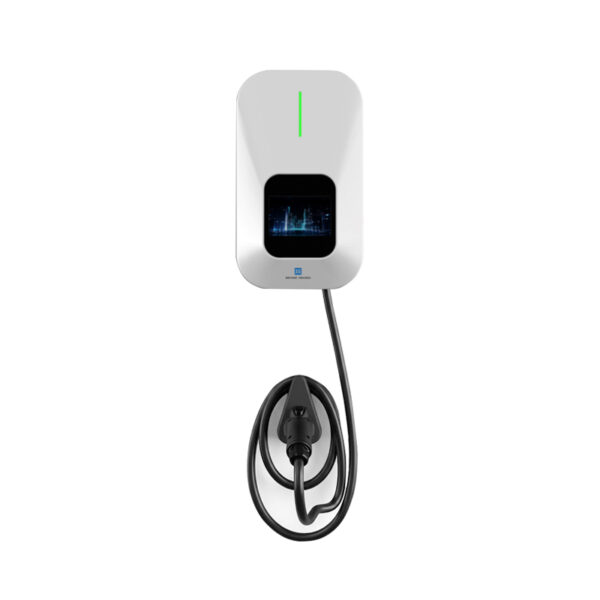
Comparing chargers across specs and price, the 160kw EU Standard Dual‑gun Ev charger keeps coming out on top when fleets need reliable, fast turnaround — especially for urban workplaces moving toward cleaner mobility. For companies installing a commercial setup, a solid commercial EV charging station is the baseline asset; it’s where power, uptime and billing meet real business needs. The EU’s 2035 new‑car CO2 policy and growing city-level workplace charging programmes mean fleets must think ahead about kW capacity, connector compatibility like CCS, and future-proof software controls.
Performance vs cost: what the numbers actually mean
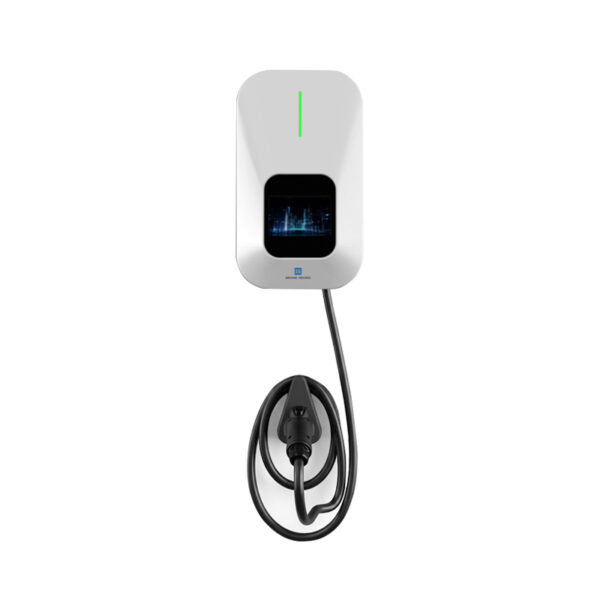
A 160 kW dual-gun unit delivers sustained high power to two vehicles without burning the grid — that’s not marketing, that’s watts and thermal design. For mixed fleets, two simultaneous 80 kW sessions or one 160 kW burst gives operational flexibility. On paper, cheaper 50 kW chargers look fine — but they extend dwell time, increase charger contention, and push up operational headcount. Consider energy management terms like load balancing and OCPP-compatible back-end; they’re not exotic words, they’re the tech that keeps chargers fair and the bills predictable.
Installation realities and regulatory anchors
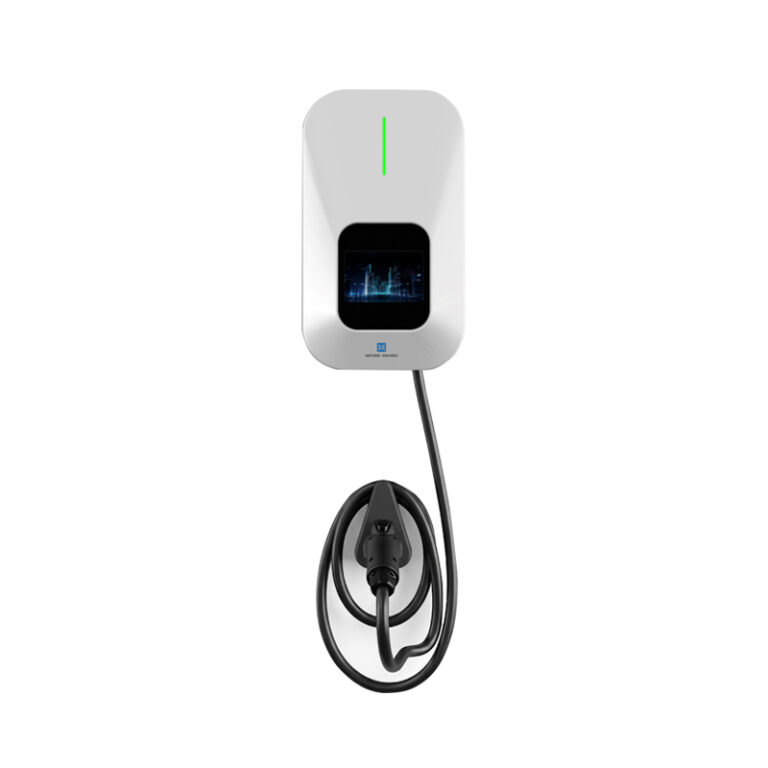
Physical fit matters: tethered cable or untethered, site civil works, and local distribution upgrades add cost. Many companies forget the paperwork and grid study time — especially around city centres such as London, where infrastructure planning is visible in municipal programmes. Real-world anchor: the EU’s 2035 CO2 targets have accelerated municipal workplace EV charging projects across capitals, so permit times and network reinforcement should be priced into any rollout. Good vendors balance hardware specs with installation cadence and software commissioning.
Operator experience: uptime, UI, and the small details
It’s the daily use that tells you if a charger is well designed. A dual-gun hardware piece with clear LED states, robust tethering, and secure connectors reduces operator friction. On software, a responsive portal and simple session logs matter — from a front-end dev perspective, clean APIs and predictable webhooks let you wire billing and fleet telemetry without hacky glue. Expect firmware updates, accessible diagnostics (temp, voltage, error codes), and remote restart capability; these are the differences between a unit that’s just installed and one that runs year-round.
Alternatives and common mistakes fleets make
Some ops pick many low-power chargers hoping to avoid grid upgrades; others spec a single ultra‑high-power head thinking it solves peak needs. Both miss the middle ground: right-sized capacity with smart charging. Don’t skimp on cable quality or ignore CCS compatibility — legacy plugs create avoidable downtime. Also, vendor lock-in via proprietary back-ends will bite later when you scale — choose OCPP-friendly platforms so you can swap software or integrate with existing energy management systems.
Why workplace deployment needs a second look
For workplace EV charging the user flow must be seamless — from reservation, to authentication, to receipt. Fleet drivers expect predictable charging times and clear cost attribution; employers want utilisation metrics. A dual‑gun 160 kW station optimises bay usage and shortens idle time, while a robust management layer delivers billing clarity and reporting for payroll or sustainability teams. Good installations reduce admin overhead and improve green credentials — lah, that’s practical value.
Golden rules for choosing the right charger
1) Match average dwell time to charger power and bay count — measure your typical shift patterns, then size capacity. 2) Insist on smart charging (load balancing, session scheduling) and open APIs so you’re not trapped by one vendor. 3) Plan for grid upgrades and include commissioning time in project schedules; a fast install that later throttles due to upstream limits is wasteful. These three metrics—utilisation rate, peak load headroom, and software openness—are the concrete measures that predict long-term success.
Summing up: the 160kw EU Standard Dual‑gun Ev charger hits the sweet spot between speed, flexibility and manageability for busy fleets. It reduces dwell time, supports CCS standards, and pairs well with load balancing strategies — practical advantages you notice every shift. My hands-on checks of management UIs and a few pilot installs in city hubs show the same: reliability pays off.
The practical takeaway: size for real use, demand open integrations, and budget the grid work — that approach keeps operations smooth and emissions falling. workplace EV charging done this way becomes an operational asset, not a headache. INFORE ENVIRO — I stand by that recommendation. —