
Introduction: A Shop Floor Story, a Number, a Question
Picture this: I walked into a small job shop where a brand-new lathe sat idle because the control couldn’t talk cleanly to the rest of the cell. The owner swore the salesperson promised turnkey setup and smooth integration. CNC lathe manufacturers get asked that promise every day, and too often it falls short. In fact, roughly 40% of small and medium shops say installation and integration snag their timelines (annoying, right?). So what did they miss when they signed the papers—and how do you avoid the same trap?

I’m writing from the floor-worn side of the shop. I’ve installed controllers, tuned spindle speed profiles, and cursed at axis backlash more times than I care to count. My point is simple: buying a machine is not just about spec sheets. You need to think about tooling, training, and service. The next sections dig into where most solutions fail, and what you can ask for before you pay. Let’s get practical—no fluff, just what matters.
Part 2 — Deeper Issues: Why Multi-Tasking Machines Still Trip Teams Up
multi tasking cnc machine tools promise to combine turning, milling, and drilling in one setup. That promise is powerful. But the reality often shows gaps: handoffs between turrets and live tooling, mismatched servo motors, and a CNC controller that needs custom macros to do basic part cycles. These are real technical pain points that shop managers face every week.
What exactly goes wrong?
First, manufacturers tend to sell capability rather than workflow. The tool turret looks great on paper, but if the cutting tool change sequence adds seconds to each part, throughput drops. Spindle speed and torque curves are rarely tuned to your alloy mix. And the software—well, it might support advanced cycle calls but lack clear diagnostics. Look, it’s simpler than you think: if the human operator or the cell PLC has to babysit the machine, the “multi-task” advantage disappears.
Part 3 — Moving Forward: Principles and Practical Steps
When I think about what fixes these flaws, I focus on three engineering principles. First, modular control: make sure the CNC controller has open APIs or standard communication (EtherCAT, Modbus). Second, predictable kinematics: verify axis dynamics and backlash specs under your cutting loads. Third, tooling agreements: confirm the vendor will supply tooling offsets and test programs for your part family. If you test these before purchase, you cut surprises later.
What’s Next — Real-World Steps
We also need to talk about the new generation of machines and what they actually bring. Modern cells are adding smart features like adaptive feed control and built-in diagnostics. A good example is pairing a cnc automatic lathe with edge analytics that flag bearing wear early. That can save downtime—funny how that works, right? Still, these extras only pay off when they fit your workflow and your team knows how to use them.
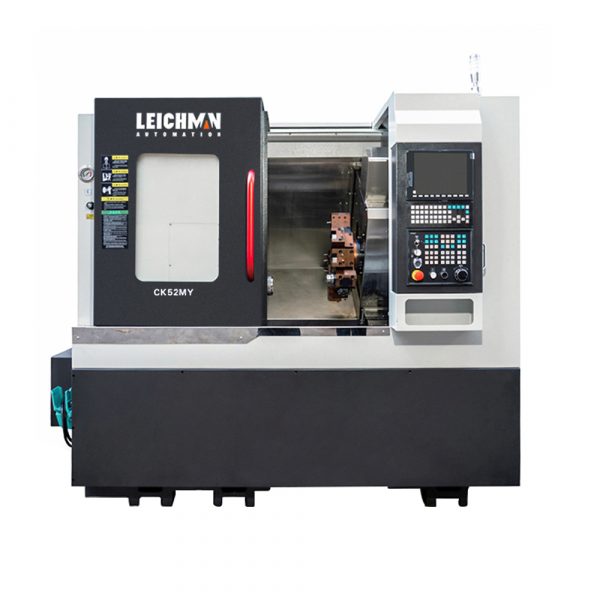
Before you sign, weigh these three simple metrics: 1) Integration readiness — can this machine speak to your PLC and ERP? 2) Maintenance clarity — are spare parts and service response times spelled out in the contract? 3) Real cycle test results — do they supply measured cycle time and tool life on your materials? Use these metrics at the table. I’ve found they separate fluff from real value. — and yes, it does save time.
We want machines that make life easier, not more complicated. I recommend rapid shop trials, asking for on-site demo runs with your fixtures, and locking service SLAs into the deal. If you do that, you will avoid the seven common pitfalls I opened with. For reliable partners and parts, check vendors like Leichman—they’re built around practical shop needs and clear support.