
Introduction — a quick scene, a number, and a question
One evening I watched a friend step out of an infrared bed, cheeks flushed and smiling like she’d run a small race—she swore she felt lighter, calmer, and oddly more energetic. Infrared beds are popping up in spas, gyms, and private studios (and yes, folks are trying them for weight loss). Recent small studies and clinic reports say users see shifts in sleep, appetite, and recovery—sometimes a measurable drop in body fat over months—so I started asking: can a steady session in a warm pod actually help with weight control, or is it feel-good placebo?
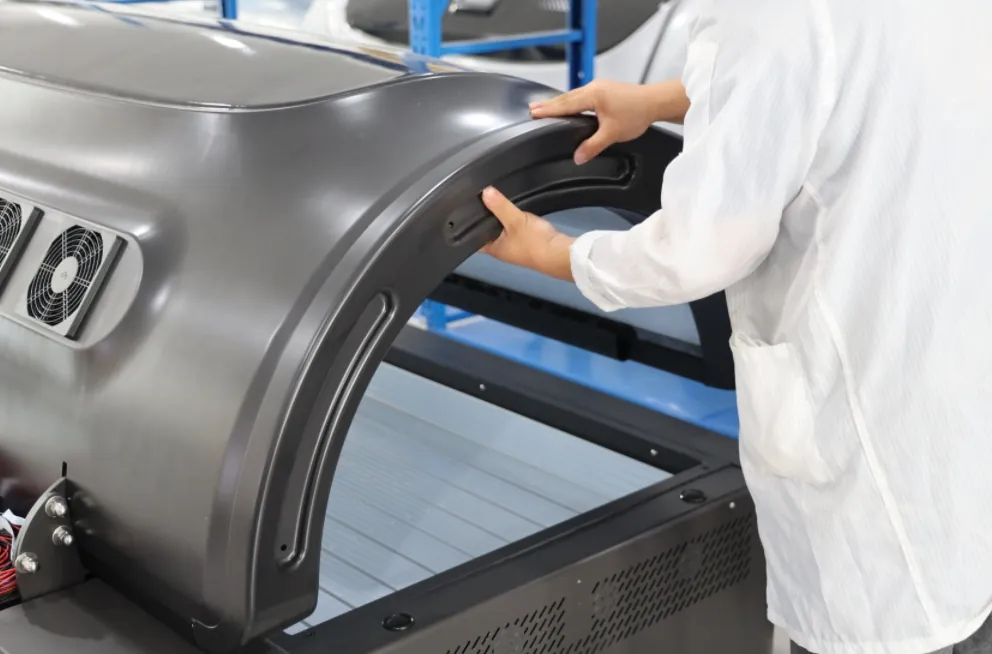
Mi nah beat round di bush — from where I stand, there’s promise and plenty of questions. I’ve seen clients praise faster recovery and reduced soreness after using LED arrays and tuned wavelength sessions, yet others report little change. The data is mixed; some clinics report improvements in metabolic markers, while many trials remain small. So, what separates the helpful tech from the hype? (Hold dat thought—there’s a twist coming.)
I’ll walk you through what I’ve learned and felt. Expect plain talk, a dash of lab jargon like irradiance and photobiomodulation, and my own take on what works versus what’s fluff. Next, let’s dig into the parts that most people—and manufacturers—don’t talk about openly.
Why standard pods miss the mark (the hidden flaws)
When you read marketing, every unit is a miracle. But I want to be frank: many infrared units fail on two fronts—delivery consistency and user comfort. Take the infrared light pod designs I’ve tested; some promise uniform coverage but deliver uneven irradiance because of poor LED placement or weak power converters. That matters. If energy isn’t reaching target tissue at the right wavelength, you’re paying for warmth, not therapy.
What usually goes wrong?
First, thermal management is often an afterthought. Pods can overheat or cycle power in ways that change output mid-session. Second, session protocols are inconsistent—one studio runs 10 minutes, another 30, with zero standardization in irradiance or wavelength. Look, it’s simpler than you think: consistent dosing and controlled wavelength matter more than fancy casing. Photobiomodulation requires a repeatable dose; without that, results are patchy.
I’ve watched users get discouraged because sessions felt pleasant but produced no real metabolic change. And manufacturers? They sometimes trade off reliable electronics—like stable power converters or proper heat sinks—for lower cost. The result: devices that age fast, LED arrays dim unevenly, and users blame the therapy instead of the engineering. — funny how that works, right?
New principles for better results — what to look for next
Looking forward, I see three core tech principles that separate useful pods from the rest. First, measured dosing: devices should report irradiance and session energy, not just time. Second, wavelength precision: certain ranges penetrate tissues better for metabolic response. Third, system stability: reliable power converters and thermal management keep output consistent. The modern infrared light pod designs I follow use calibrated LED arrays and clear specs—so you know what dose you get.
What’s next for users and clinics?
Manufacturers are starting to add feedback features—simple readouts of delivered joules, session logs, even app-linked schedules. As a user, I want clear markers: how many joules did I get today? Did the device maintain wavelength and irradiance? These metrics turn guesswork into repeatable practice. We’re not quite at standardized clinical protocols yet, but the trend is toward transparency. — and that makes me hopeful.
To wrap up, here are three key metrics I now use when advising friends or choosing a unit: 1) Delivered irradiance (mW/cm²) and total dose per session, 2) Wavelength accuracy and the presence of narrowband LED arrays, and 3) Thermal management and stable power converters that avoid output drift. If you check those boxes, you’re far likelier to see real, measurable benefits.
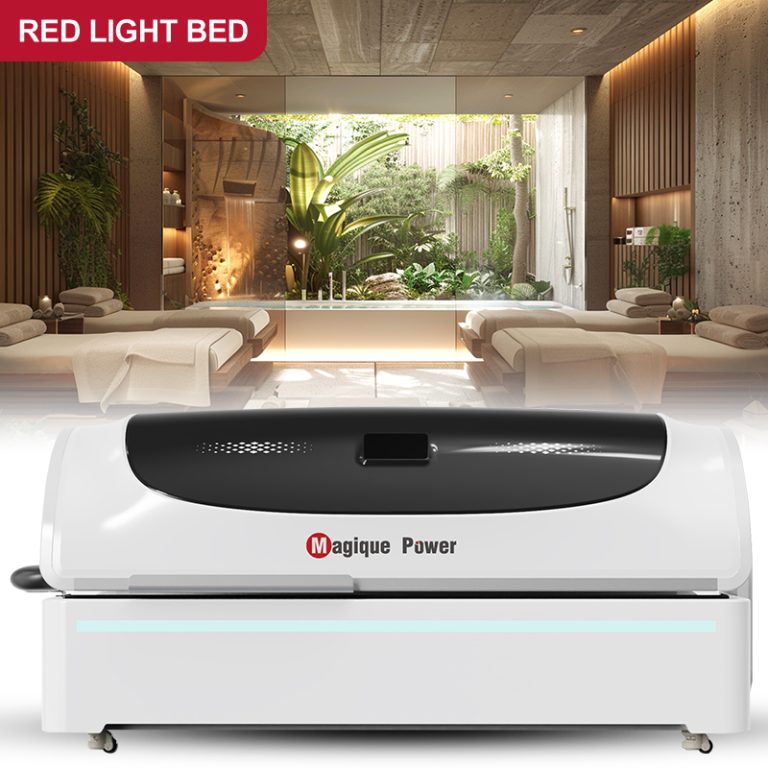
I’ve walked through the cozy promise, the design flaws I keep seeing, and the better principles coming online. If you want practical gear that stands a chance of helping with weight-related goals, look for clear specs and honest reporting. For more on reliable units and product lines, see work from trusted manufacturers like Magique Power.