
Introduction
I was on a maintenance shift at a coastal gas terminal the first time a tool slip made my heart leap—no fire, but a close call that stuck with me. In that warehouse we relied on non sparking sockets across explosion-prone zones, and the data were blunt: sites using purpose-built tools reported up to 40% fewer ignition-risk incidents in confined spaces. What I keep asking myself is this: how did a modest change in a socket’s metallurgy and geometry translate into measurable safety and uptime gains? (I’ll come back to that.)
Here’s the quick setup: crews work with volatile vapors, tools meet fittings under pressure, and a stray arc or impact can mean catastrophic downtime. I’ll walk you through the specifics—practical lessons, one or two missteps I’ve seen, and the tech context (think intrinsically safe practices and torque control)—so you can judge for yourself whether upgrading your toolkit is sensible. Let’s move into the design layer and see what really matters next.
Deep Dive: Why Traditional Non-Sparking Socket Heads Still Fail
What’s the core issue?
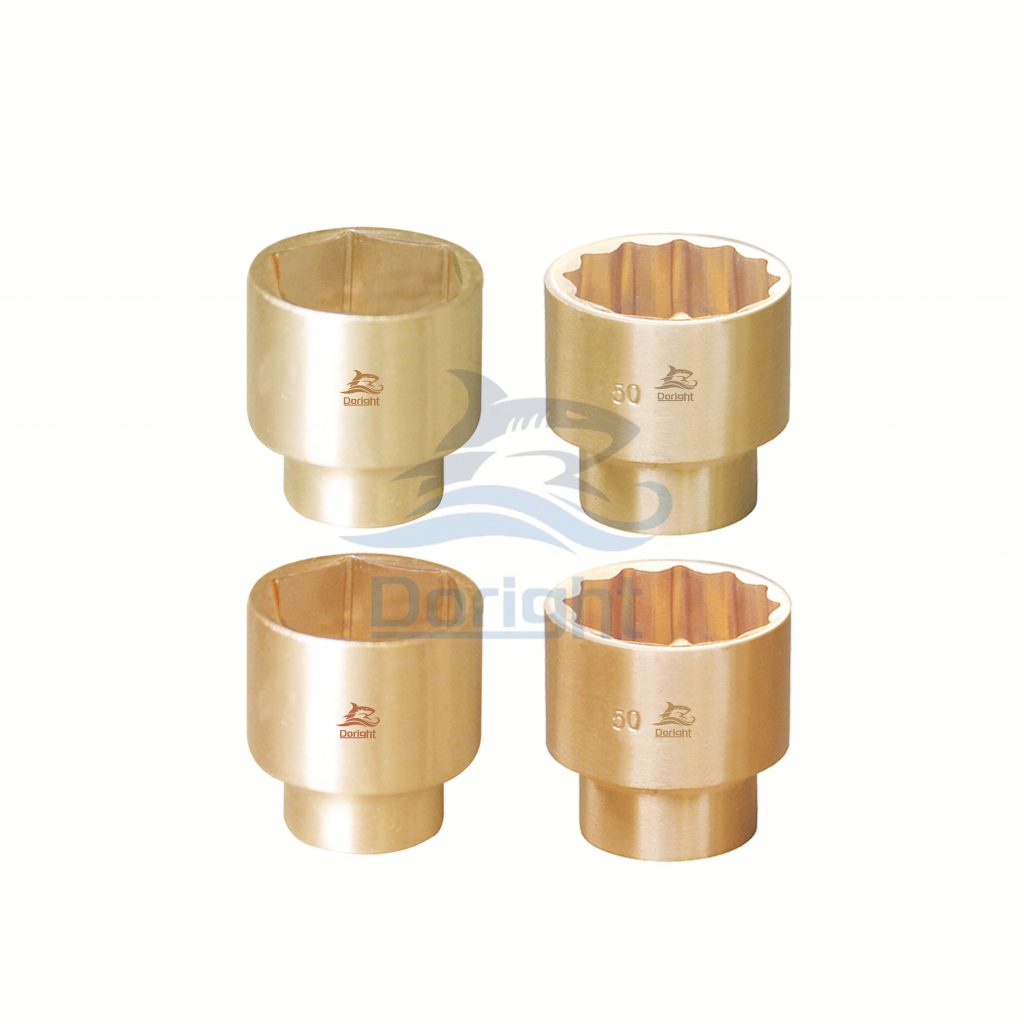
When we talk about a non-sparking socket head, I don’t mean a single silver-bullet part. I mean a mix of alloy choice, heat treatment, and geometry that together control deformation, conductivity, and impact behavior. In the field I’ve watched well-intentioned crews swap out steel sockets for softer alloys and assume safety—only to discover uneven wear, poor fit, and creeping torque losses. Those fit issues lead to slippage, which is where sparks start. Look, it’s simpler than you think: fit and material govern friction and energy transfer.
Technically, several flaws repeat across installations. First, insufficient alloy homogeneity leads to unpredictable abrasion resistance—so a socket that’s “non-sparking” at first may degrade unevenly. Second, many designs ignore torque calibration; without predictable torque control your fasteners aren’t reliably seated, and you force extra impact energy into the joint. Third, certification gaps (ATEX vs. IEC nuances) cause mismatches between tool labeling and real-world constraints. I’m pointing these out because I’ve seen maintenance schedules balloon and inspection notes stack up when teams trust superficial replacements. There are also peripheral issues—flaking coatings, improper storage, and incompatible power converters on battery tools—that compound the problem. If you want fixes, they start at material science and end at how crews actually use the tool. — it’s frustrating but fixable.
Forward Look: Principles for Next-Generation Non-Sparking Solutions
What’s Next?
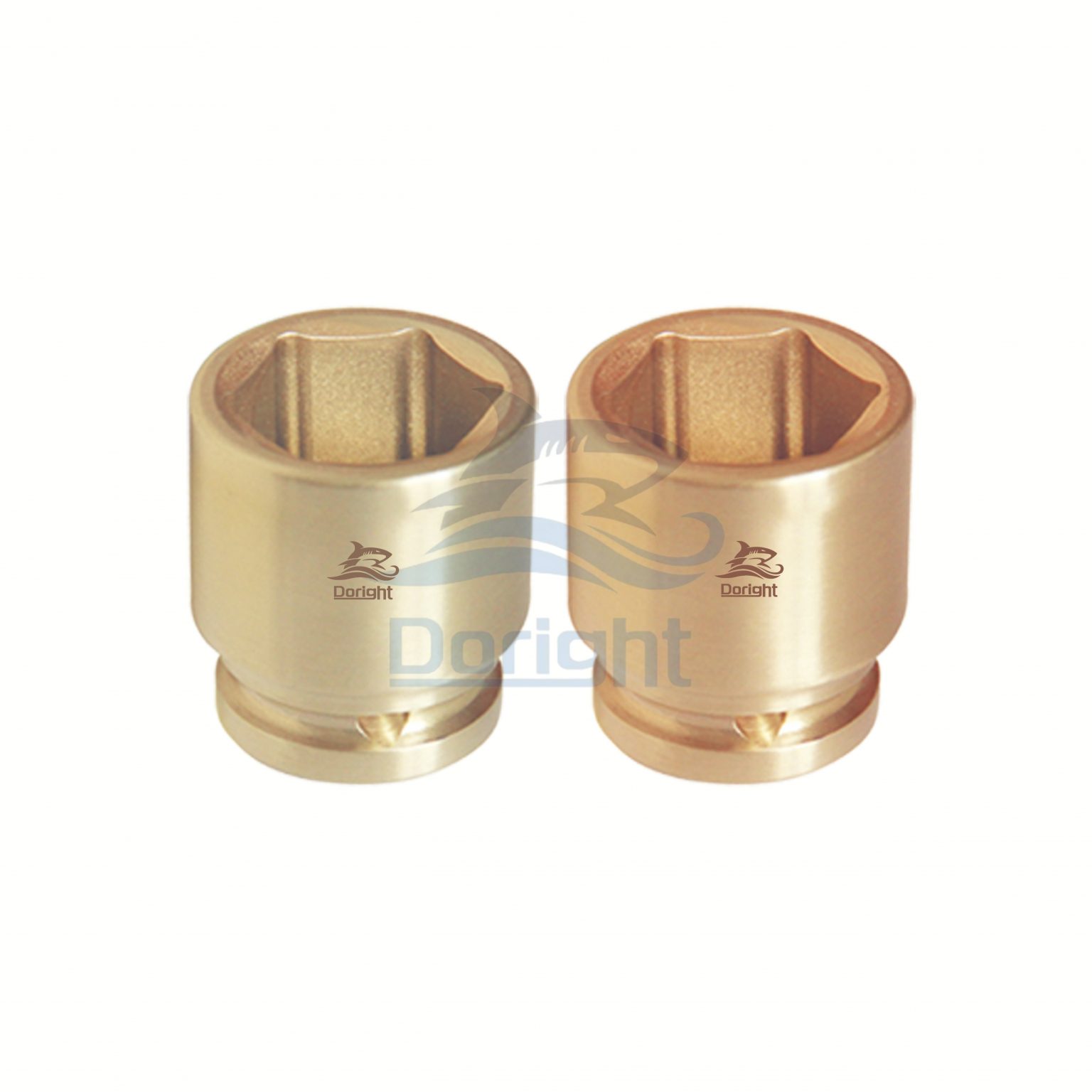
I want to shift from critique to principles. New designs should marry metallurgy with systems thinking: engineered bronzes or aluminum-bronze blends, predictable tempering, and surface micro-geometry that controls slip without sacrificing strength. Pair that with calibrated torque specs and impact management and you get a tool that behaves consistently under stress. Manufacturers are also integrating compatibility checks for impact drivers and battery packs so that the torque curve remains smooth and predictable. One practical product class to watch is the non sparking impact socket set—these bundles aim to match head, socket, and driver behavior rather than sell parts in isolation.
Looking ahead, I expect three shifts: tighter cert alignment (so ATEX/IEC language matches real use), smarter material tracking (batch IDs and traceability), and better user training that ties torque specs to procedure. Real-world pilots already show lower rework rates and fewer near-misses when sites adopt a systems approach—funny how that works, right? For teams choosing upgrades, here are three evaluation metrics I recommend: 1) verified torque retention after 1,000 cycles, 2) alloy wear uniformity under lab abrasion tests, and 3) certification-context clarity (does the spec match your region’s requirements?). Use these to compare options and you’ll make a choice that’s practical, not just persuasive.
I’ve learned that safety tools are human tools: they must suit how crews work, not just spec sheets. I’m candid—transitioning takes planning and patience, but the payoff is lower risk and more predictable uptime. For dependable options and product specs, I check suppliers who document both material science and real-world testing. If you want a starting point, consider tools from Doright.