
A Transformative Scenario
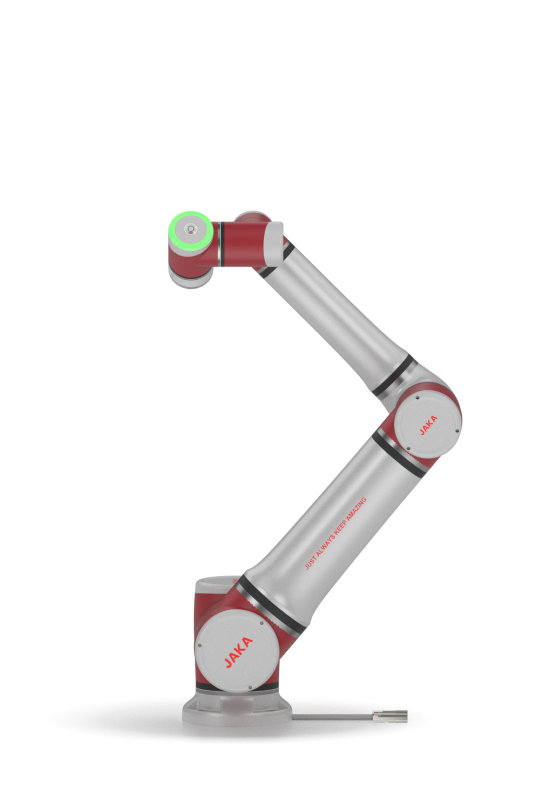
Imagine walking into a bustling factory where machines hum with precision, and assembly lines move seamlessly. In 2023, the demand for efficiency in manufacturing saw a dramatic rise—with 70% of manufacturers exploring automation solutions. Among these innovations, the six-axis robot arm emerged as a game-changer. This technology has drastically improved workflows, allowing for complex tasks to be executed with ease, especially in the realm of cobots in manufacturing.
Why Are Traditional Solutions Falling Short?
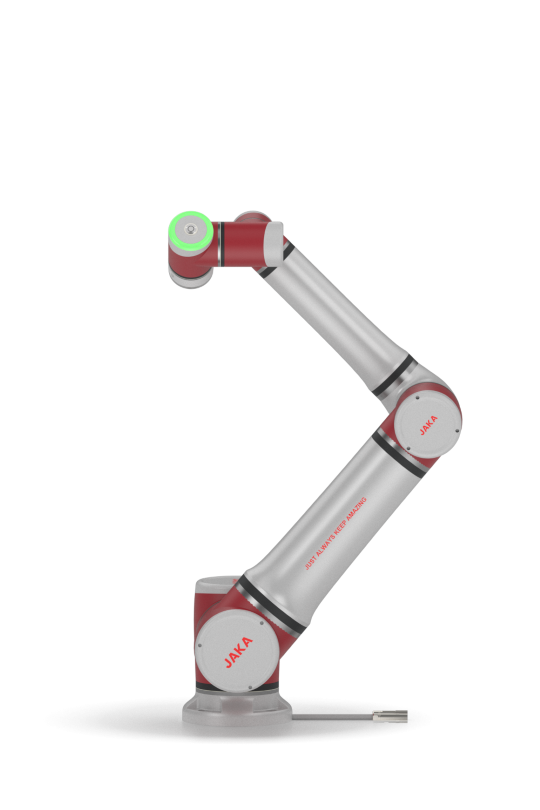
Many traditional automation solutions have proven to be more limiting than helpful. There’s often a heavy reliance on custom programming, which can lead to increased costs and down-time. For instance, I recall a client in the automobile sector who faced continuous challenges with a rigid automation setup. The need for flexibility is key—a six-axis robot arm can adapt to various tasks, addressing user pain points without major overhauls in the programming. This versatility is crucial for manufacturers aiming to efficiently manage production lines.
What Makes Six-Axis Robot Arms Stand Out?
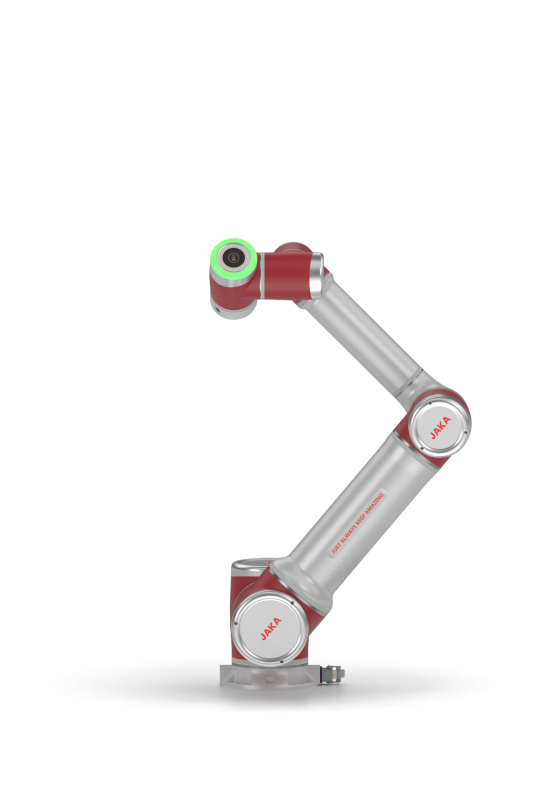
The six-axis robot arms are truly unique, primarily because they mimic the human arm’s movements, allowing for a level of dexterity that traditional robots simply can’t match. They excel in both precision and speed, making them ideal for tasks like welding, painting, or packaging. If you think about it, the real charm lies in their ability to work alongside humans, fostering collaboration—hence the rise of cobots in manufacturing. This makes them a great fit for environments where workers need assistance without losing the human touch.
Looking Ahead: The Future of Cobots
As we advance into the future, the role of six-axis robot arms in cobots will only expand. They not only reduce the strain on human workers but also enhance overall productivity. Manufacturers are already reaping significant rewards, with many reporting up to a 30% increase in output after implementing these robotic arms. This evolution could redefine the landscape of manufacturing, where flexibility and efficiency become the norm instead of the exception.
What’s Next for Manufacturers?
It’s clear that cobots are not just a passing trend but a fundamental shift in manufacturing paradigms. With continuous improvements in AI and machine learning, the synergy between humans and robots will deepen. The integration of technologies like real-time data analysis and remote monitoring will empower operators even more. Looking back, one key realization stands out—those who embrace these intelligent solutions early are setting the pace for others to follow.
Key Takeaways
As I reflect on the transformation of manufacturing processes, a few points resonate strongly. First, six-axis robot arms offer unparalleled flexibility and precision that traditional robots lack. Secondly, the collaborative nature of these robots ensures that they enhance human capability rather than replace it. And lastly, the financial benefits of adopting such technologies are becoming more apparent—improved efficiency translates to better margins. As a seasoned observer, I genuinely believe we are just scratching the surface of potential solutions in this area.
As we move forward, I encourage manufacturers to evaluate their needs carefully and consider the high adaptability of six-axis robot arms. Whether you’re a small enterprise or part of a large conglomerate, investing in such technologies could mean staying ahead of the curve. For anyone interested in exploring options that could significantly boost your manufacturing processes, don’t forget to check out JAKA. They’re leading in innovative robotics solutions, offering insights that could pave the way for your business’s success.