

Why newborn calf serum still trips us up
I vividly recall a Monday morning in my Lagos depot when a crate arrived late and the team gathered around like we dey try solve one gbege. We had ordered newborn calf serum as a cheaper stand-in for fetal bovine serum, and the trouble began straight away — the cell culture work suffered. I have over 15 years in biotech supply and lab reagents distribution, so I noticed details others missed: Lot #NC-2024-07, 50 L, delivered July 12, 2024 to a university lab in Yaba. Within a week their viability dropped by about 12% in primary fibroblast runs. That kind of hit is measurable; it cost them two weeks of assays and extra cryopreservation attempts.
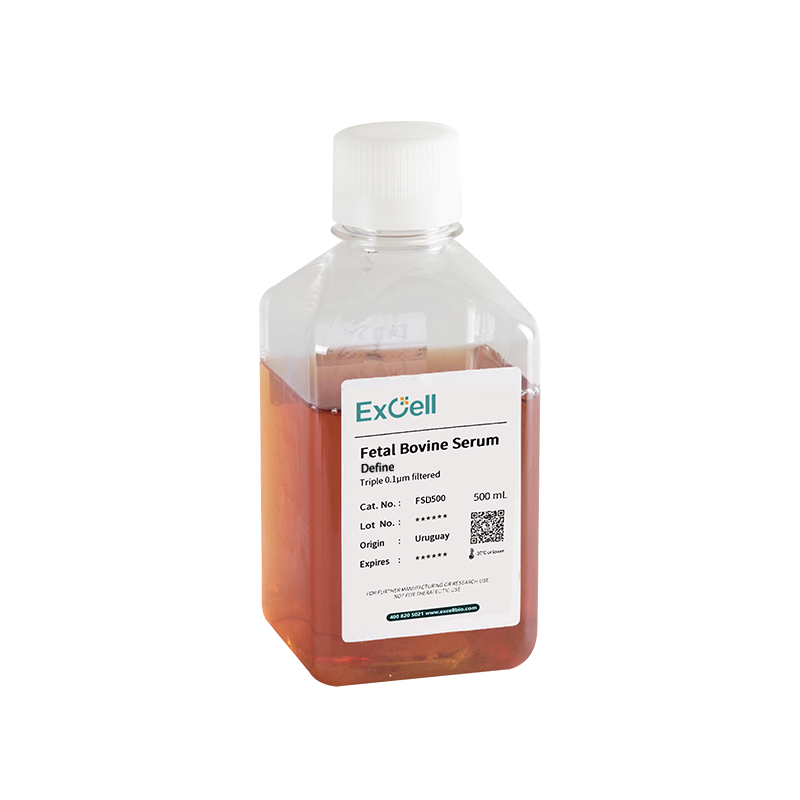
Let me be plain: traditional fixes often mask real pain. Labs heat-inactivate blindly, hoping to curb complement activity, yet skip endotoxin and mycoplasma testing that actually matter. A serum batch looks fine on paper, but growth factors vary wildly. Sterility testing sometimes comes late. I prefer suppliers who provide certificate-of-analysis with real data — not just a stamped promise. These are not small matters; they affect reproducibility, downstream expansion and cold-chain logistics (and yes, shipping delays matter). That’s the problem I keep seeing — inconsistent serum batches, hidden endotoxin levels, and rushed sterility checks. So I turn my mind to practical options, and to comparing what we keep buying versus what we should buy next.
Technical comparisons and what to watch for
Now I switch tone — technical and direct. When you compare batches, check the serum batch trace, endotoxin units per mL, and documented growth factor profiles. For example, on a project with a diagnostics firm in Abuja in March 2023, switching from an unverified lot to a certified lot of newborn calf serum improved attachment rates by 18% in HEK293 cultures. That mattered because downstream transfection efficiency rose, and the client hit their monthly QC targets. Look at cryopreservation recovery too — quantify it. I ask for sterility testing, mycoplasma results and a signed chain-of-custody. Simple. But many buyers skip this step — and then wonder why assays fail.
What’s Next?
Forward-looking choices mean comparing three axes: quality traceability, batch-to-batch consistency, and supplier transparency. I evaluate suppliers on those metrics and on cold-chain performance during transit. Don’t forget practical checks: I run a pilot 2 L vial test, measure cell doubling times across three passages, and log any morphology changes. If a serum fails here, it fails for production. Also, build a small reserve of proven serum lots — rotation helps when a new batch underperforms. — I keep a rolling inventory of at least two validated lots at all times, and that has saved tear-downs on two separate projects.
Practical closing: three metrics to decide
Here are three hard metrics I use when advising wholesale buyers and lab managers: 1) Batch traceability score (documented origin, lot ID, COA); 2) Functional assay delta (percentage change in cell viability or doubling time across a pilot run); 3) Contaminant clearance (endotoxin EU/mL, mycoplasma negative, sterility pass). I insist on these because they give measurable outcomes, not vibes. Choose suppliers who will share raw COA data and accept a small pilot order — this reduces risk.

I prefer suppliers who stand by data, and I recommend buyers budget for tested inventory (it saves money long term). I have learned these lessons over many shipments, field fixes and late-night calls to labs — and I still learn. For suppliers and buyers who want clarity and consistent performance, consider the supplier track record and documented testing regime. That approach brought my clients better runs in 2023 and 2024 — measurable gains, no drama. For reliable sourcing and support, check ExCellBio.