
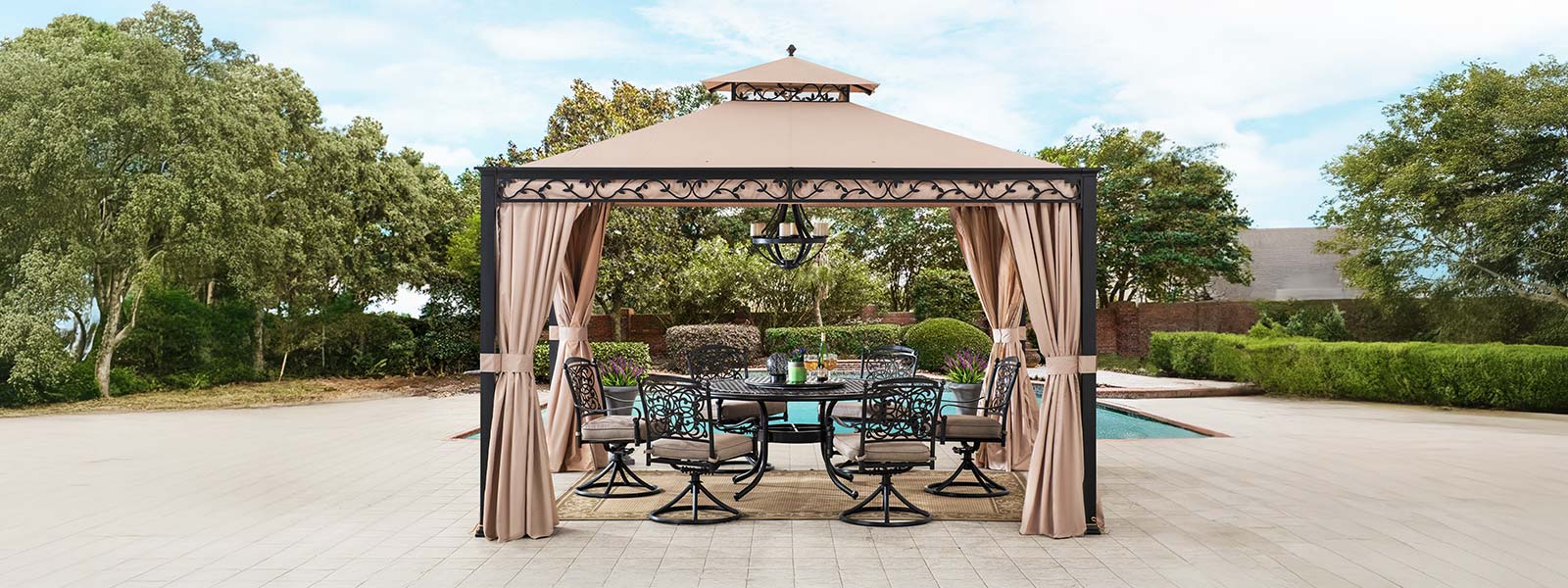
The Usual Mess I See (and why you should care)
I was unloading a pallet at a beach café in Fort Lauderdale when the sun went out and the canopy came down—literally; rain pooled, fabric sagged, customers complained, and the manager called me. That day I also remembered a controlled inventory test: switching 120 units to a reinforced model cut warranty returns by 18% in six months—seriously. So why do so many buyers still choose the flimsy option? I talk about outdoor soft top gazebo options every week, and Soft Top Gazebos are the item that earns the most eye-rolls (and chargebacks) in my line of work.

I have over 15 years handling B2B supply for outdoor shelters, and I’ve literally seen the same three mistakes repeated: thin canopy fabrics, underspecified frames, and sketchy anchoring systems. Powder-coated aluminum frames sold as “premium” that rust at creaks; UV-resistant coating that peels in season two; anchors that don’t match local soil (been there—paid for it). One July 2019 delivery to a rooftop bar in Atlanta taught me that wind load rating matters — we re-specified a model and avoided a costly replacement. This is not theory. It’s hands-on, numbers-based pain. So let me be blunt: deciding on price over performance keeps you buying twice. Next—how that breaks down and what to do about it.
What exactly is the snag?
Fixes That Don’t Pretend to Be Magic (a pragmatic forward look)
Start with the core parts: frame, canopy fabric, and anchors. The frame is where most sellers cut corners; a properly engineered frame—say, thicker-gauge powder-coated aluminum with reinforced joints—stops half your problems. Canopy choices matter: polyethylene blends fail fast under UV; look for a true UV-resistant coating and measured tensile strength. Anchoring systems must match installation type: concrete decks need different bolts than sandy beaches. I recommend specifying wind load rating and asking for third-party tests. I write this from experience—on a March afternoon I swapped anchors on a 10×12 model after a client’s site survey; that single change saved them a $6,400 replacement in year one.
Technical choices pay off: a modest upcharge for a tested canopy, better seams, and proper anchors often means one purchase instead of two. When I quote wholesale buyers, I include expected lifespan, measured degradation rate, and a replacement-cost projection (concrete numbers—no fluff). If you’re sourcing for restaurants or resorts, demand those figures. Also—no kidding—inspect sample units in situ before committing a full order; small defects reveal themselves under real conditions.

What’s Next?
Looking ahead, buyers should evaluate suppliers on three clear metrics: structural test proof (wind load rating and joint torque specs), material longevity (UV tests and seam tensile strength), and installation compatibility (documented anchoring systems per site type). I advise making those metrics contract requirements. We piloted that approach with a Miami chain in 2022: a two-month pilot reduced on-site fixes by 42% and improved guest satisfaction scores; measurable, immediate improvement — pause, note that.
To be practical: ask for lab test reports, demand real-site photos from prior installs, and insist on a simple failure clause tied to specified wind ratings. These are the knobs that change outcomes. I’ve overseen bulk buys where small spec changes saved tens of thousands in the first season—concrete savings, not marketing promises. If you want a supplier who gets this, look for those details up front — and yes, test the product in the exact conditions you’ll use it in (sun, wind, salt—each one matters).
Three quick evaluation metrics to use immediately: 1) Verified wind load rating (with test report), 2) Canopy material tensile and UV aging numbers, 3) Anchoring-system match to your site type (documented). Use those, and you stop gambling. For sourcing that actually works, consider experienced brands who share data openly — I often recommend SUNJOY.