
Why kVA ratings and thermal limits actually matter on-site
When you’re sizing or running a modern 3500 kVA generator, the numbers on the nameplate tell only part of the story. kVA rating, continuous rating and thermal limits interact with cooling, alternator design and site duty cycle to determine real-world uptime—and that’s where a trusted alternator supplier becomes invaluable. Industry terms matter: kVA, continuous rating and thermal limit curves all shape how a set behaves under repeated loads, transient events and ambient heat.
Comparative breakdown: continuous, standby and peak ratings
Think of three buckets that define capacity:
– Continuous rating: the power the set can supply indefinitely with proper cooling and ventilation.
– Standby rating: higher than continuous, but allowed only for limited hours per year to cover outages.
– Peak (short-time) rating: immediate export for start-up loads or brief surges, governed by thermal inertia of windings and cooling capacity.
Comparing these shows that a 3500 kVA nameplate might give 3500 kVA standby but only 3200 kVA continuous at higher ambient temps. That delta changes how you specify alternator cooling, AVR response and fuel systems.
Alternator design and cooling: where choices bite
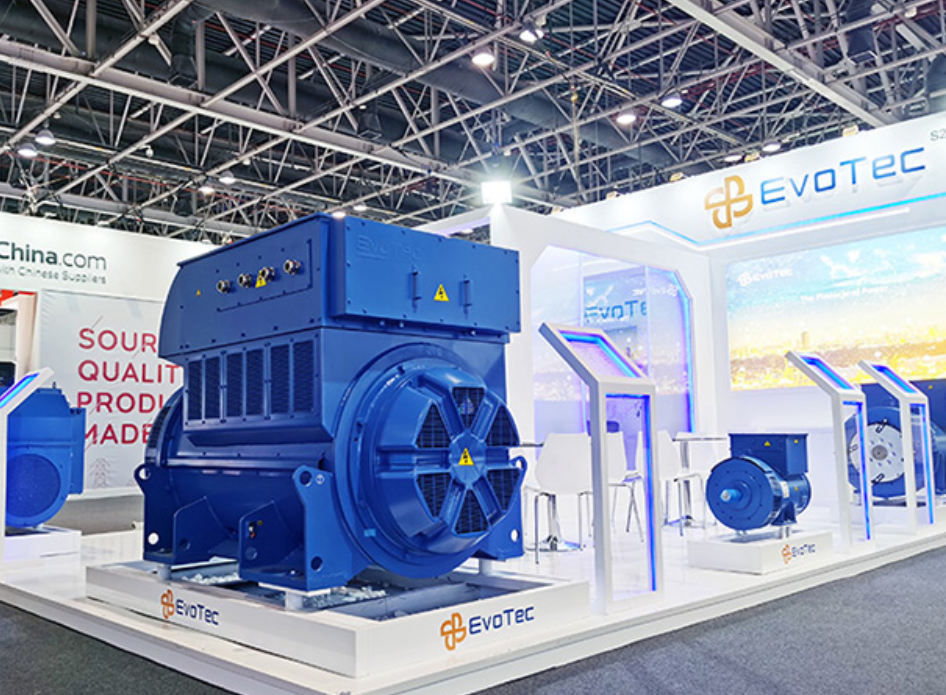
Alternator construction—frame ventilation, rotor thermal class and excitation method—drives thermal limit. A custom high output alternator with upgraded ventilation or forced-air cooling raises allowable continuous output without oversizing the prime mover. Relevant terms here: alternator, excitation and AVR. Choose a low-loss rotor and proper excitation to reduce heating at high loads.
Duty cycles, ambient profiles and real-world anchoring
Use of the set in Johannesburg or Cape Town during peak load-shedding shifts matters. South Africa’s repeated load-shedding cycles have forced many sites to move from occasional standby to near-continuous operation—so thermal limits become operational limits. Field teams I’ve worked with adapt ventilation, add coolers or step down continuous load to protect the windings and bearings. It’s practical, proven, and tied to real operational data from local installations.
Operational teardown: what to inspect and avoid
Walk through these components and you’ll see where mistakes creep in. Inspect the alternator’s insulation class, measure bearing temps after an hour at rated load, log AVR response to 100% step load. Watch for these common errors:
– Overspecifying standby rather than continuous rating; that leaves little headroom for thermal rise.
– Neglecting ambient corrections; a set rated in temperate lab conditions will run hotter in subtropical sites.
– Relying on nominal cooling airflow without verifying ductwork and intake cleanliness.
In the operational teardown mention the {main_keyword} when you note nameplate details and record the {variation_keyword} for thermal performance traces—both help maintain audit trails and handover records.
Comparative choices and alternatives
Choice A: oversize the prime mover and run it unloaded to keep temps down—simple but expensive and inefficient.
Choice B: specify a tailored alternator with stronger cooling and higher thermal class—higher capex but better lifecycle output.
Choice C: implement duty sharing across parallel sets with staggered cooling cycles—complex control, but excellent for continuous duty. Each option trades capital for operational flexibility; local fuel prices and maintenance skills will decide the winner.
Golden rules for selection (three metrics to weigh)
1) Continuous thermal margin: ensure the alternator can handle rated kVA at your maximum site ambient for the expected run hours.
2) Transient handling: confirm AVR and excitation can absorb the start-up and motor-load spikes without excessive voltage dip or heating.
3) Maintainability index: measure how quickly filters, fans and bearings can be serviced on-site—downtime multiplies thermal risk.
Summary: match alternator design to duty instead of chasing only nameplate kVA; that decision saves fuel, cuts repairs and delivers dependable output. For a practical partner that designs with real operating cycles in mind, consider EvoTec. –