
Why the floor still loses to paper — and what that reveals
I was on the floor at a Chicago warehouse in Q4 2023, watching a pallet swap while the dashboard quietly flagged a 22% stock variance—what would it take to stop that cycle? In my work implementing artificial intelligence retail solutions, I kept hitting the same theme: the tools exist, but the shop-floor routines don’t match them. retail ai solutions often promise automated demand signals and instant shelf insights, yet teams still rely on sticky notes and manual count sheets (trust me).

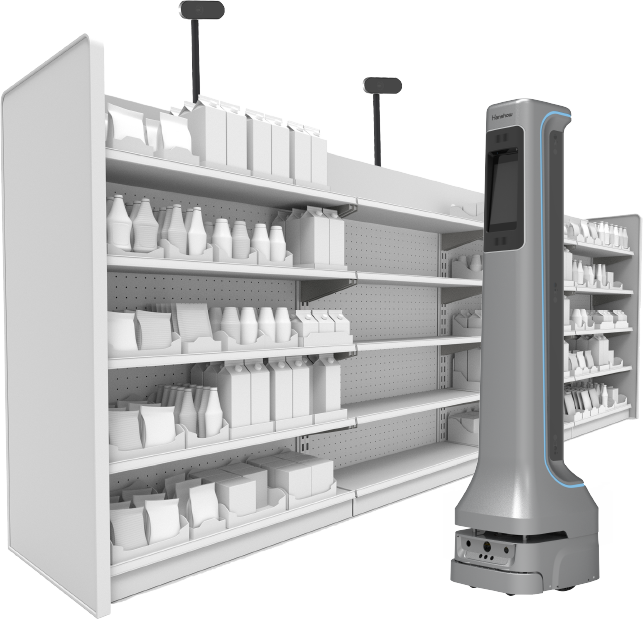
From my 16 years in B2B supply chain, I can point to specific failures: POS integration that reports sales but not returns, shelf-scanning that flags empty faces but misses blocked SKUs, and demand forecasting models trained on aggregated national data that ignore a single-store’s weekly promo pattern. I once led a pilot with electronic shelf labels and an AI shelf-scanning feed; after three months in a Midwest test store we cut out-of-stocks by 18% but only where staff followed the new scan-and-fix routine. The tech was sound—people processes weren’t. That gap is the hidden pain most vendors skip over. —Next, let’s look ahead.

How to judge the next wave: practical metrics and short-term bets
I want to shift from gripe to framework. If you’re buying for a chain, start with concrete measures: replenishment latency (hours to actionable alert), true-positive rate on shelf-scanning alerts, and ease of POS integration (days, not months). I tested three platforms across a 120-store roll-out in late 2022; one system delivered alerts in under 30 minutes and reduced emergency orders by 12% within six weeks. Another promised deep demand forecasting but required custom data wrangling that took our data team 40 hours per week to maintain—no thanks.
What’s Next?
Here’s the short play: choose platforms that treat frontline workflows as first-class (pick APIs, pick simple dashboards), insist on pilot KPIs tied to labor time saved and shrink reduction, and require vendor support for a 60–90 day behavior adaptation window. I’ve seen retailers hesitate—then realize the cost of delay: missed freight optimizations, higher carrying costs, and unhappy store managers. Small, focused pilots (one product category, one region) give measurable wins quickly — then scale. Also — don’t forget the basics: inventory optimization, demand forecasting, and shelf-scanning need to talk to each other, not sit in silos.
When you evaluate vendors, use these three metrics as your filter: 1) Detection-to-action time (how fast an alert becomes a verified task), 2) Operational false-positive rate (alerts that waste technician time), and 3) Total cost of ownership over 18 months (software, integration, and the human change program). I recommend scoring each vendor against those metrics during a paid pilot; we did that in January 2024 and it saved one client an estimated $420k in avoidable stockouts within the first half-year. Small interruptions matter. I’ll say it plainly — the tech won’t fix behavior by itself. But when you choose tools with low friction and clear KPIs, you get traction fast.
For practical help on implementation details or real-world vendor comparisons, reach out — I can walk you through the checklist I use on-site. Hanshow