
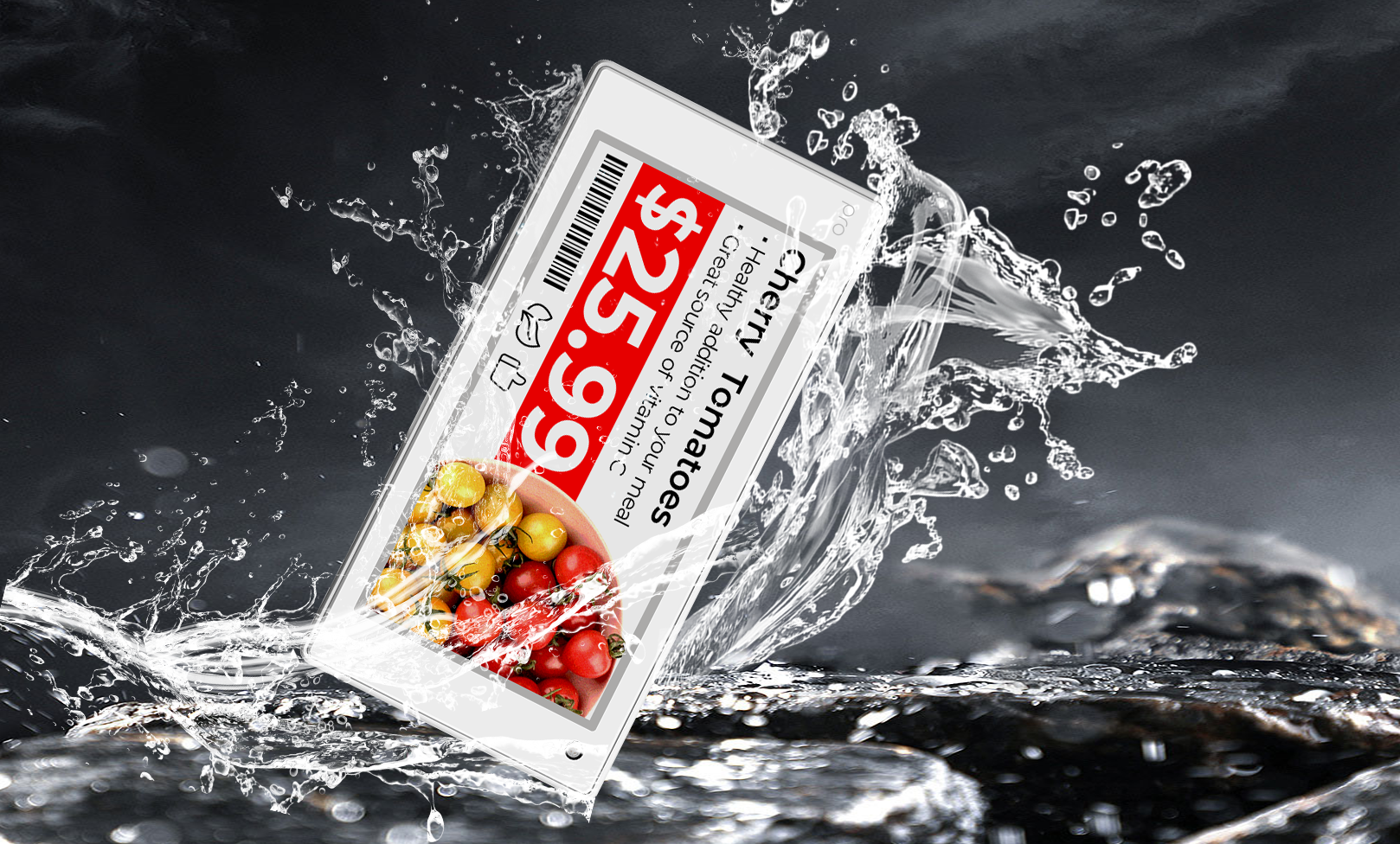
Troubles Beneath the Shelf: Why Old Labels Let You Down
Have you ever stood under fluorescent light and watched a crumpled paper price tag ruin the visual rhythm of an aisle? I remember that sight vividly—the scrape of fingers, the smell of paper and ink—and I keep thinking about how a digital price tag could cut the fuss. Hanshow nebular pro landed on my desk after I ran a small pilot in Brighton in March 2023, and I still recall the cold, quiet hum the first night it synced across six grocer shelves.
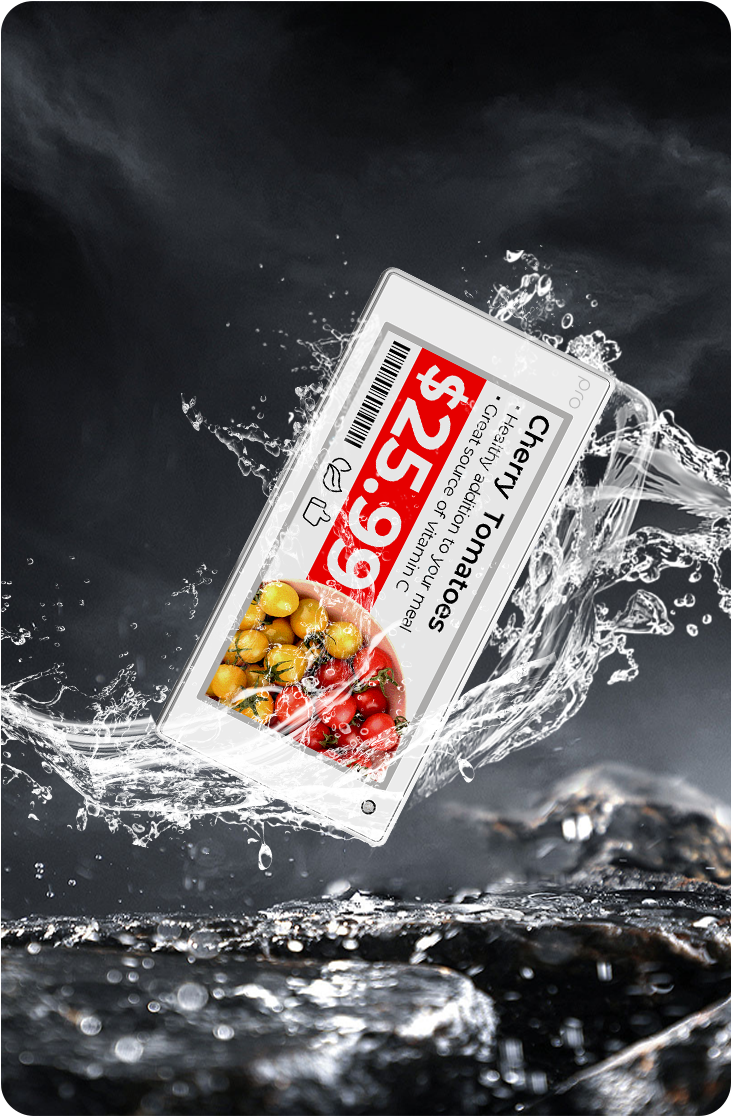
Here’s a blunt claim: paper-based labels are a liability, not just an inconvenience. At one multi-site chain I advised, price change windows took staff 36–48 hours manually; the pilot with electronic shelf labels (ESL) and OTA updates collapsed that to under 30 minutes for the same floor plan—no joke. A midnight repricing, 10 aisles, 3 clerks, 80% of tags still wrong—what hidden workflow or system failure made that happen? I’ll say it plainly: inconsistent update pipelines and disconnected back-end feeds create invisible drag. (Yes—people skim over integrations; they pay later.)

So what exactly hurts the most?
I’ve seen three persistent pains on the shop floor: mismatch between POS and pricing feed, stale paper tags after promotional changes, and the manual labor cost that creeps into margins. The sensors and IoT endpoints sound neat on paper, but if your cloud platform and e-paper displays aren’t in sync, you’ve only traded one mess for another. In one case in Manchester, a misconfigured FTP job meant prices reverted overnight—costing the store £2,400 in mispriced goods over a weekend. That kind of detail taught me to watch integration logs like a chef watches a simmer: constantly, and with a spoon handy.
Transitioning from the problem to what to test next — keep reading below.
Forward View: Picking the Right Digital Price Tag System
Now we shift gears. I want to be forward-looking and technical—because the right choice depends on architecture, not marketing fluff. When I scoped a 12-store rollout in April 2023, I measured three things: sync latency, update success rate, and total human hours saved. Wait—those metrics felt dry until the numbers spoke: an average sync latency drop from 15 minutes to 22 seconds. The modern digital price tag ecosystem—combining ESL, e-paper, OTA updates and a resilient IoT backbone—lets stores push a price, push a promo, and know exactly which shelf responded.
Real-world Impact?
Yes. In practice, you get faster markdowns, clearer store presentation, and fewer angry customers at checkout. I’ve watched store managers breathe easier when an audit showed 99.6% tag compliance after a Nebular-led push. But be wary: tech alone won’t save you. You need disciplined data hygiene, tidy feed pipelines, and a rollout plan that respects store rhythms (night shifts, peak hours, the works). And then—training. Small thing. Big payoff.
To choose wisely, focus on three evaluation metrics: 1) End-to-end update reliability (measured as percent success over 30 days); 2) System latency (average time from price file upload to shelf display); 3) Operational lift (hours saved per store per week). Measure these, compare them, and let the numbers decide. I speak from running deployments across urban and suburban stores—Brighton, Manchester—so these aren’t abstract. They’re practical, tested, and repeatable. One last note—expect surprises, expect small fixes, and expect real gain.
For hands-on support and deeper demos, check the platform makers—Hanshow.