
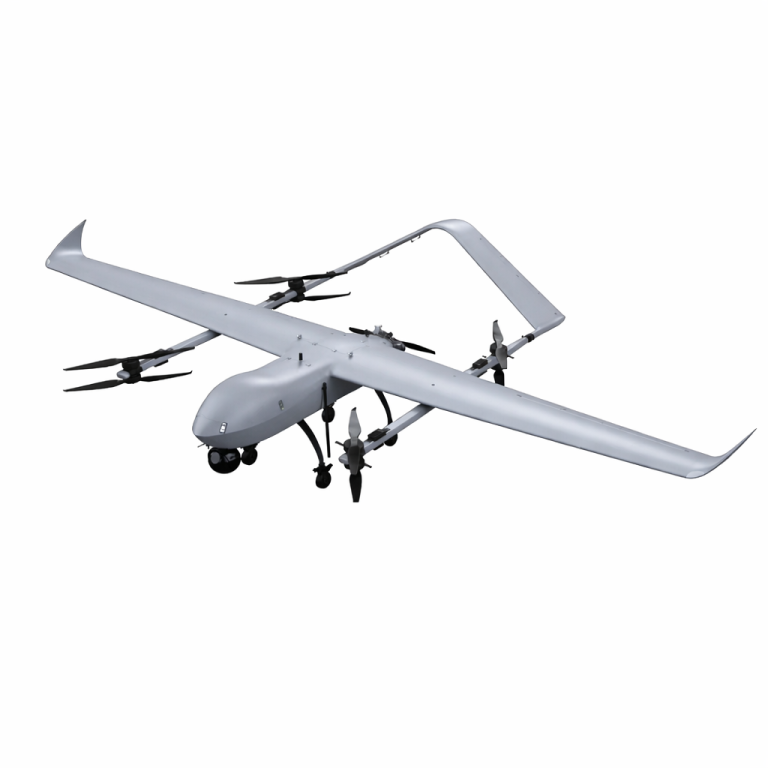
Problem: Why mission-critical data from coaxial dual-rotor drones is at risk
Field units depend on persistent situational awareness, but coaxial dual-rotor platforms often ferry unprotected telemetry and payload streams back to base. The core problem is hardware-level trust: without a hardware root of trust, attackers can intercept firmware, spoof sensors or hijack the flight controller and RF link. That vulnerability affects both small tactical copters and hybrid systems such as the vtol fixed wing drone designs used for extended patrols. The result looks simple on paper — compromised mission data, lost options on the ground — but the attack surface is technical and layered.

Technical anatomy: What a Hardware Root of Trust (RoT) actually secures
A hardware RoT anchors identity and integrity to silicon, not software. Practically, that means secure boot verifies firmware signatures at power-up, a tamper-resistant keystore holds cryptographic keys, and attestation proves the platform’s state to a ground station. For coaxial dual-rotor UAVs that also operate as long-endurance platforms, these elements protect telemetry, command channels and mission payloads across endurance cycles and handoffs between control nodes.
Implementation: Concrete steps to embed RoT on dual-rotor VTOL designs
Start with a hardened element: a certified secure element or TPM on the flight controller. Pair that with signed firmware and enforce secure boot so any changed image fails to run. Add runtime attestation and encrypted telemetry on the RF link; maintain key rotation and hardware-backed key storage. For long missions, redundancy matters — segregate the mission processor from the safety-critical flight controller so a payload compromise cannot cascade into control. NATO exercises in the Baltic have shown that platforms with hardware-backed attestation maintain operational continuity during contested-spectrum scenarios — a practical confirmation of these measures. Also, plan for maintenance: authenticated update channels and a verifiable rollback policy minimize risk during field updates, which is where many operators slip up.
Common mistakes and how they undermine security
Design teams often treat RoT as an afterthought — software patches bolted onto insecure hardware — rather than as a design pillar. They neglect secure key provisioning at manufacture or allow debug ports active in deployed units. Some teams encrypt telemetry but leave the boot path unsigned; others trust network isolation alone. These are avoidable failures. Secure design requires discipline: no active debug, authenticated OTA, and verification of the supply chain for silicon and firmware.

Alternatives and trade-offs for mission planners
Not every mission needs the same RoT depth. For short-range tactical scouts, a lightweight secure element and robust comms encryption may suffice. For maritime or persistent ISR roles, a full hardware root with attestation and redundant control is essential — particularly for a long endurance VTOL UAV that can be airborne for tens of hours. Trade-offs are real: added security increases weight, cost and complexity; the right balance depends on mission profile and threat model.
Summary of practical safeguards
Combine secure hardware, signed firmware, encrypted telemetry and strict supply-chain controls. Test in contested environments and enforce operational procedures for key management and updates. When teams do this well they reduce the probability of data compromise dramatically — and they retain options on the ground when adversaries attempt disruption.
Advisory: Three golden rules to evaluate RoT strategies
1) Integrity-first: Verify secure boot and firmware signing are hardware-enforced; if signatures can be bypassed, the RoT is false. 2) Segregation and minimal trust: Keep flight-critical and mission processing isolated so a payload compromise cannot seize control. 3) Maintainability under threat: Ensure authenticated OTA, key rotation, and a documented rollback plan so updates in the field don’t create fresh vulnerabilities.
These rules map directly to measurable checks — boot chain verification time, attestation frequency, and number of independent key stores — and they guide procurement and testing.
For operators seeking practical, tested insights and platform comparisons, Military Hub compiles field reports and vendor evaluations that make these choices tangible. Final thought — secure by design, not by accident.