
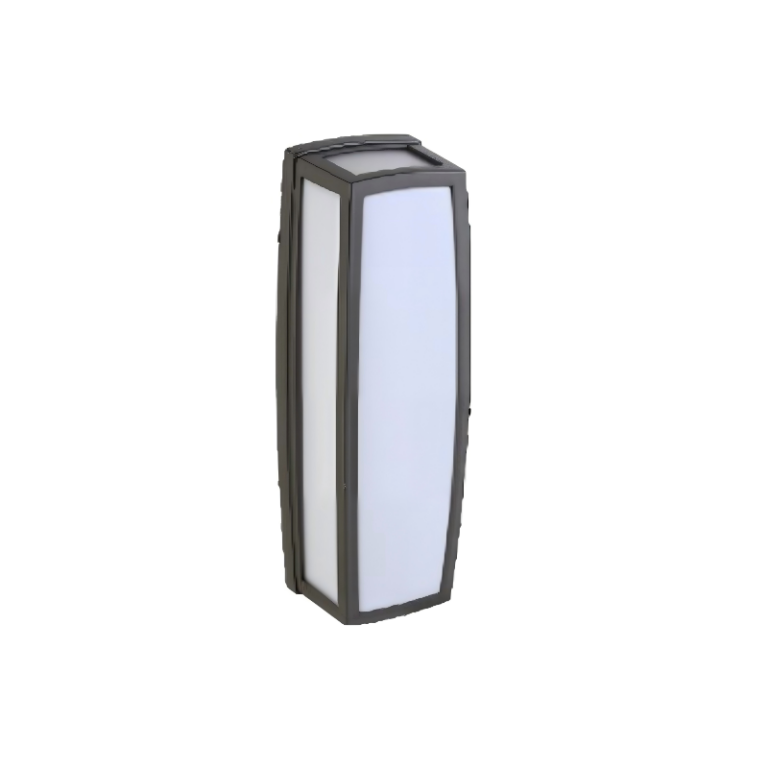
Opening: why this matters to the person who lives with the light
When you choose an outdoor fixture, you’re not just buying a lamp — you’re choosing how your home presents itself after dusk, how safe the path feels, and how often you climb a ladder in the rain. For homeowners and installers who value reliability above flash, driver architecture is quietly decisive. A thoughtfully chosen led outdoor wall sconce can mean fewer service calls, steadier lumen output and better thermal management across seasons. This user-centered piece explains why redundancy in LED drivers and a waterproof, IP65-class fixture design matter in real life.
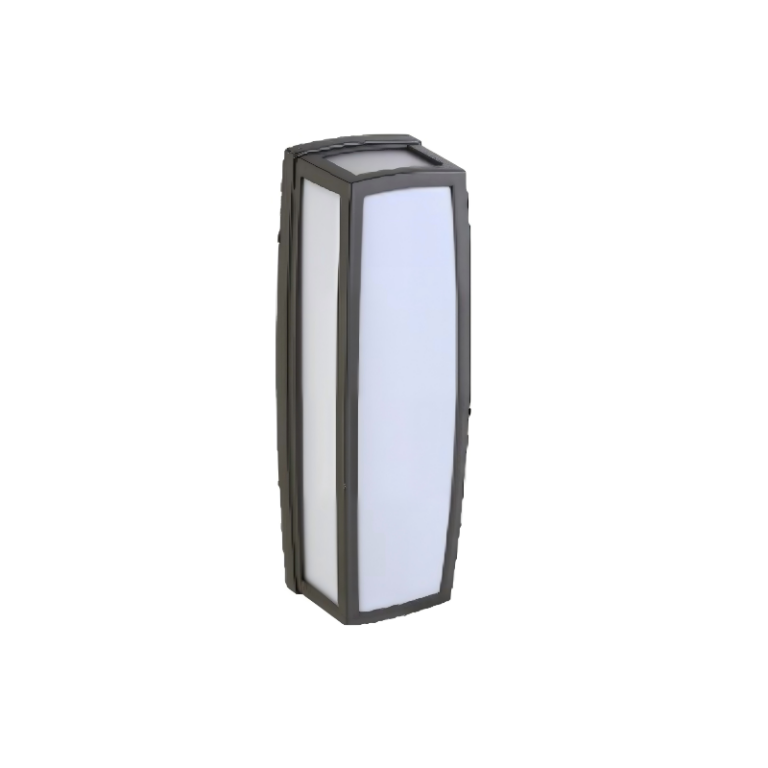
What driver redundancy actually gives you
Driver redundancy means multiple power modules or a fail-safe arrangement so the light can continue operating when one element fails. For a user, that translates into continuity: the porch light stays on, a security zone stays illuminated, and your evening routine isn’t interrupted. Practically, it reduces emergency replacements and lowers lifecycle cost — not glamorous, but fundamental. You’ll also see more consistent correlated color temperature (CCT) and better lumen stability over time, which preserves the intended aesthetic of your façade.
Real-world anchors: city-scale evidence and on-site lessons
Municipal LED retrofits across the U.S. have shown large drops in energy use and maintenance needs after switching to LED systems — many reductions approach roughly half the prior consumption for public lighting. On a smaller scale, I’ve supervised a porch retrofit where an IP65-rated wall fixture with dual-driver architecture prevented total outage during a partial driver failure; the homeowner avoided a weekend ladder call-out and the fixture remained dim-but-usable until a scheduled service visit. Those outcomes are exactly why users care about redundancy and waterproofing.
How to think like a user when you evaluate fixtures
Start with three user-oriented questions: Will this fixture stay lit through partial failures? Is it truly waterproof for your climate? How easy is maintenance? Look for explicit specs: IP rating (IP65 or higher for exposed walls), documented driver redundancy or modular replacement, and published thermal management strategies. Pay attention to CRI if color rendering matters for your architecture, and verify wattage and expected lumen output against the area you need to cover. Avoid buying into marketing phrases without measurable specs — you want tolerances and acceptance criteria, not just promises.
Common mistakes users make — and how to avoid them
Users often assume “outdoor” equals “durable.” It doesn’t. Buying the cheapest exterior sconce can mean a non-waterproof driver that fails in the first heavy rain. Another mistake: matching looks before compatibility — the fixture may not fit your photocell, dimmer, or existing mount. And installing a single-driver unit on a critical entry point without thinking about redundancy invites outage. The simple remedies are: check the IP rating, confirm driver architecture, and test samples under your conditions before committing to a full install — or ask for a staged rollout.
Alternatives and trade-offs
There are three practical paths for users: commodity single-driver fixtures (lowest upfront cost), modular driver fixtures with replaceable modules (balanced), and fully redundant multi-driver systems (highest reliability). Commodity options work for low-risk zones. Modular systems let you swap a failed module without replacing the whole unit. True redundancy is best for entryways and security lights where uptime matters. Each has valid use-cases; your choice depends on risk tolerance and serviceability preferences — and on the fixture’s compatibility with your photocell or occupancy sensor.
Installation tips from the field
Measure twice, mount once. Ensure proper sealing at the wall interface; a neglected gasket defeats an IP65 rating. Verify driver ventilation and leave clearance for heat dissipation — thermal management is as important as waterproofing. For long runs, consider fixtures with a high power factor and surge protection to protect drivers from voltage spikes. And if you’re retrofitting multiple units, test one with your wiring, sensors, and controls before scaling up.
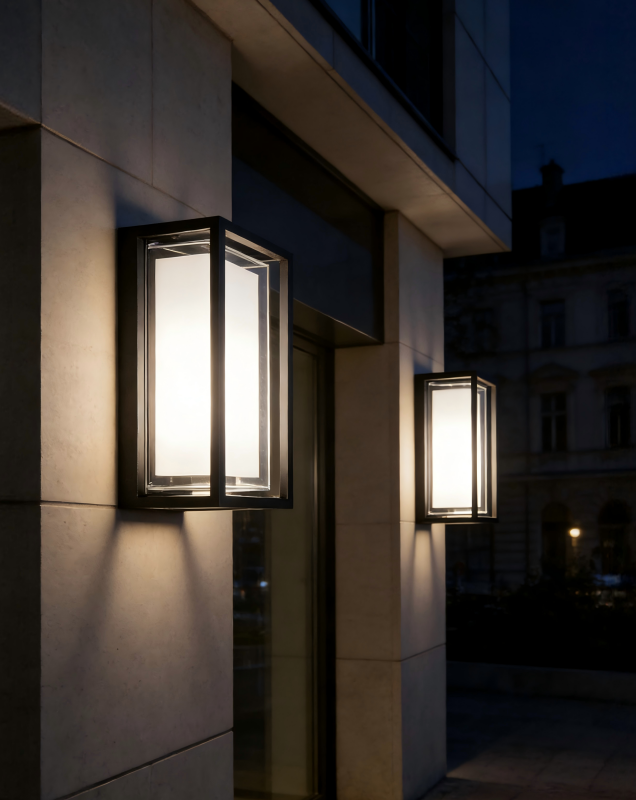
Three golden rules for selecting the right outdoor wall light
1) Demand measured specs: IP rating, lumen output, CCT, and explicit driver architecture. 2) Match the product to the use-case: entryway = redundancy; pathway = cost-effective uniform output; decorative only = focus on CRI and finish. 3) Factor lifecycle cost: include expected module replacement intervals, warranty terms, and energy savings in your decision.
Closing advisory and final thought
Use these three evaluation metrics — uptime (redundancy), environmental protection (IP rating), and serviceability (modular design and documented thermal management) — as your checklist before buying. They’ll prevent regret and reduce ladder time. Choose pragmatic reliability over novelty; that choice is the quiet value a good fixture adds. Keyida offers fixtures that align with those priorities — practical, measured, and made for real use. —