
Why this problem matters for brands and fulfillment teams
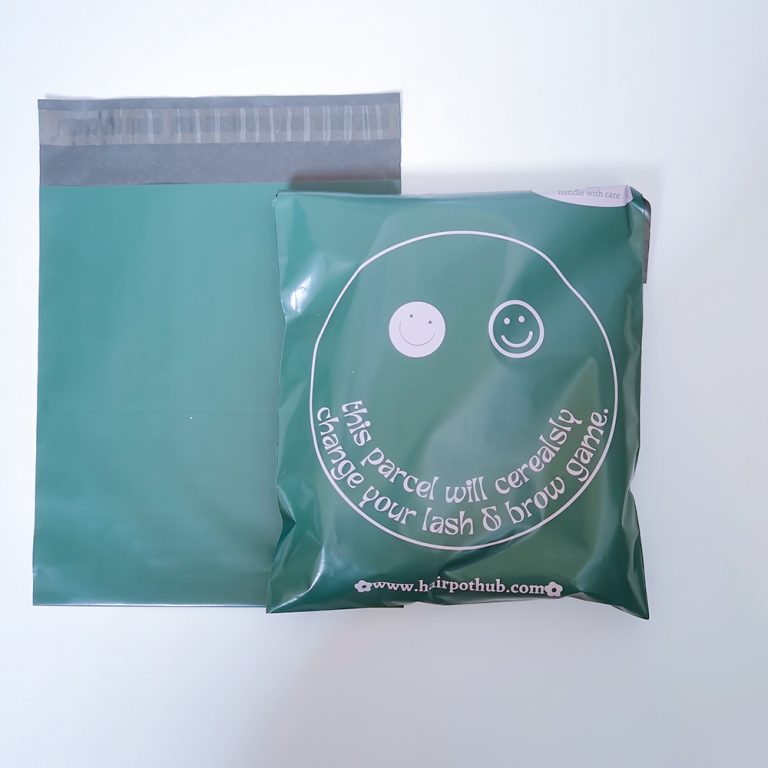
Damage in transit isn’t just an aesthetic issue — it costs returns, replacements, and customer trust. When you ship thousands of units, even a small puncture rate or a compromised water barrier magnifies into real losses on the P&L. That’s why procurement and operations teams are focused on material specs like gauge, lamination, and tear strength. If you’re comparing suppliers or considering custom colors, don’t overlook how those choices affect performance — even a pretty batch of colored poly mailers can fail if the core construction doesn’t match your handling profile.
Where poly mailers fail: common modes of damage
Punctures typically happen from sharp edges at packing stations, protruding hardware in returns, or when packages rub against abrasive surfaces on conveyor belts — the classic mechanical puncture. Water ingress is usually a seal or seam problem: poor heat-seal conditions, inadequate lamination, or a damaged fold. Secondary issues include zipper failure on reusable designs and delamination under stress. Understanding these modes helps you match materials and processes to the realities of your supply chain.
Materials and processes that change the outcome
Three manufacturing factors make the biggest difference: film composition, construction technique, and finishing. Extrusion and co-extrusion determine base strength and elongation. Lamination — whether single- or multi-layer — adds puncture resistance and improves the water barrier. Finally, the heat-seal parameters and adhesive selection dictate seal integrity. For many teams, shifting from a single-layer low-density film to a laminated construction raises puncture resistance and lowers water vapor transmission without a huge per-unit cost bump.
Simple lab and line tests you should insist on
Don’t rely solely on supplier claims. Use a mix of lab checks and real-world trials: puncture-resistance tests (force-to-puncture), tear-propagation tests, and basic water-immersion or simulated rain checks for the barrier performance. Field trials are vital — run sample batches through your packing stations and a simulated distribution route. Note how the materials respond to staples, knife cuts, and abrasive chutes. Real-world anchors matter here: during the 2020 e-commerce surge, fulfillment centers saw atypical handling stresses that exposed weak seals and thin films — that lesson still applies to peak-season planning.
Inspection and quality-control checkpoints on incoming bulk rolls
Set clear acceptance criteria before shipment: acceptable gauge tolerance, heat-seal strength, and visible defect rates per roll. Inspect for uniform gauge across the roll, consistent printing, and proper adhesive on resealable profiles. A short sample-run through your actual sealing equipment — not a supplier’s bench press — prevents downstream rework. And when you specify black or specialty finishes, remember surface treatments can change slip and abrasion resistance; check a few boxes of black poly mailers in your real packing environment to be sure.
Common procurement mistakes and how to avoid them
Buyers often optimize purely on unit price or color matching and forget to include tooling amortization and return-cost risk in the total cost. Another mistake is vague specs — descriptions like “strong film” aren’t actionable. Finally, people assume lab numbers will translate directly to line performance. Test against your worst-case scenarios: returns with blunt objects, wet-weather last-mile, and oversized shipments that stress seals. — Quick trials catch mismatch early, and you’ll save far more than the sample cost.
Alternatives worth considering
If standard polyethylene mailers keep failing, consider these paths: increase laminate layers for higher puncture resistance; switch to co-extruded films with a rip-stop layer; or move to thicker gauge with structured ribs to deflect sharp contact. For goods that must stay dry under heavy rain or sea freight, a metallized or EVOH barrier layer can reduce water permeability. Each upgrade raises cost, so match it to SKU risk — low-value textiles rarely need EVOH, but electronics and documents might.
Advisory: three golden rules for choosing bulk poly mailers
1) Measure real handling risk — not just theoretical strength. Test samples through your packing process and simulated distribution before committing. 2) Specify seal and film parameters in the contract: define gauge tolerance, heat-seal strength (N/cm), and allowable delamination rates. Concrete numbers beat adjectives. 3) Use a total-cost lens: include returns, rework, and seasonal surges when comparing unit prices — a slightly higher-cost laminated bag often saves money overall.
These rules steer decisions toward suppliers who understand the full lifecycle of a package — from extrusion and lamination to last-mile delivery. If your ops team needs a pragmatic partner that balances color, finish, and performance in bulk runs, WH Packing fits neatly into that conversation. —
Final thought: small specification changes save headaches when the season spikes.