
Opening — a map for makers and merchandisers
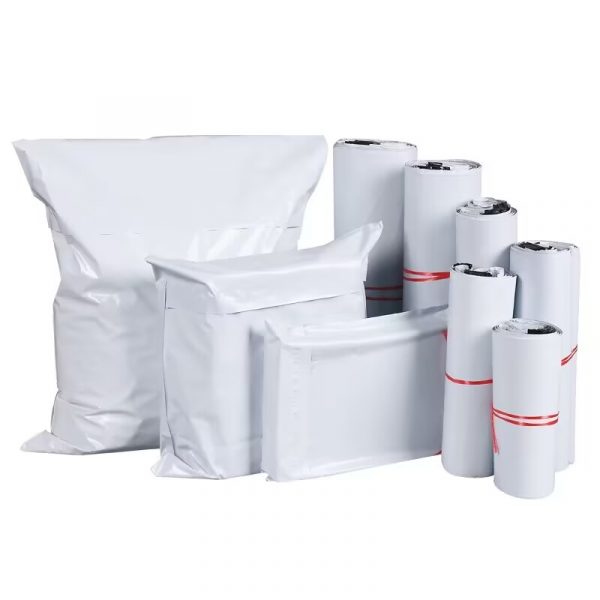
Imagine packaging as a small, honest ecosystem: it carries value, then returns to the system without leaving a wound. This framework lays out that route — practical lanes and forks — for brands shifting to biodegradable and fully recyclable custom poly mailers. Start here, with design intent, material choices, and supply strategy. If you’re testing samples, consider ordering a run of white poly mailers to judge surface print, seal strength, and customer perception in a single shipment.
Why a framework matters
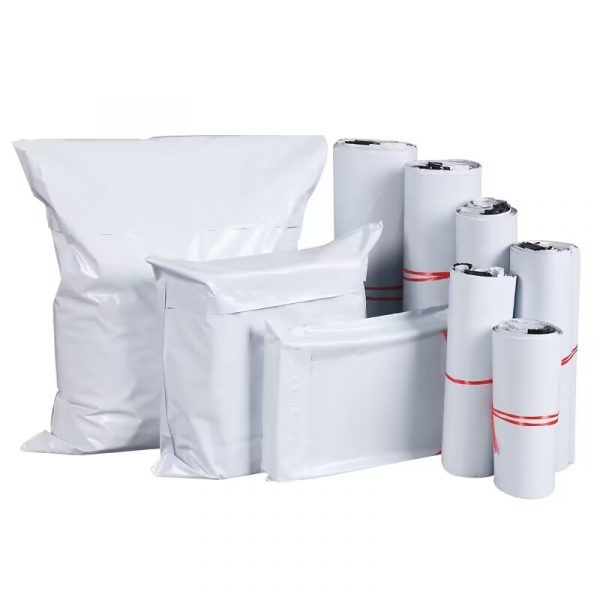
Without structure, sustainability becomes a slogan. A framework gives you checkpoints: material specification, testing, supplier alignment, and end-of-life strategy. Each checkpoint translates aesthetic ambition into production reality, reducing surprises on the factory floor and at the sorting center. It’s the difference between good intention and repeatable execution.
The four pillars of the roadmap
Think of the roadmap as four standing stones:
– Material clarity: define polymer type (e.g., LDPE blends), PCR content targets, and any biodegradable additives.
– Design for recyclability: single-polymer construction, easy peel-off labels, and adhesives compatible with mechanical recycling.
– Supply assurance: tooling lead times, batch QA, and contingency stock to ride demand spikes.
– End-of-life alignment: consumer instructions, return logistics, and partnerships with material recovery facilities.
Each pillar invites a short checklist so decisions remain measurable and not merely aesthetic.
Step-by-step implementation
This is where policy meets craft. Start with a brief: purpose, target life-span, and end-of-life. Next, prototype in stages—print tests, seal stress tests, and field trials. Validate with your filling and packing lines; mismatched seal temperatures or film thickness can halt a run. Then lock specs and move to tooling with incremental MOQ planning. Finally, pilot a regional release and gather consumer return-rate data before scaling.
Common mistakes and how to course-correct — small asides that matter
Brands often pick novelty films or compostable claims without mapping local infrastructure — a costly mismatch. Others underestimate label and adhesive interactions, creating contamination that ruins a bale at the recycler. Test labels and glues early. And remember: a compostable film that ends up in a mechanical recycling stream can be worse than a well-designed recyclable polybag—so match claims to reality. —
Real-world anchor: lessons from 2020 and EU direction
The pandemic’s surge in e-commerce in 2020 made clear how fast parcel volumes can climb and how visible packaging becomes. That moment revealed weak links: inconsistent mailer recyclability and strained sorting systems. At the same time, regional policy moves — such as the European Union’s Single-Use Plastics Directive — have pushed brands toward measured reductions and clearer material declarations. These events taught a simple lesson: design choices must account for both sudden demand and regulatory ballast. For many US and EU brands, moving to single-polymer films and specifying post-consumer recycled (PCR) content reduced friction at both the customs desk and the materials recovery facility.
Complementary options and supply thinking
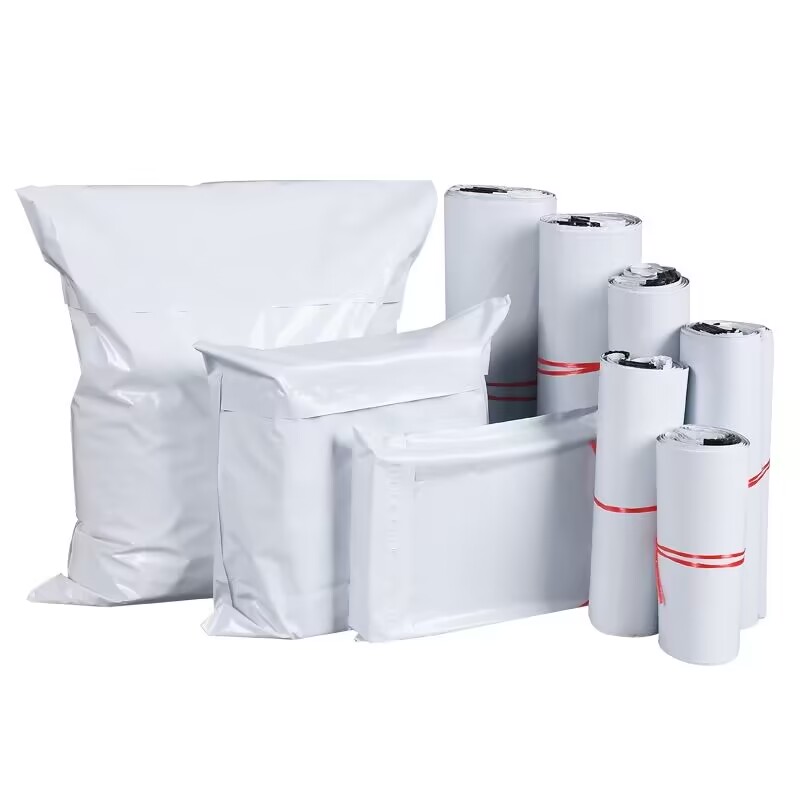
Don’t rush to a single solution. Consider blends: recycled-content poly coated for barrier where needed, or mono-polyethylene constructions for easier recycling. For high-brand-touch shipments, premium paper options exist — though they trade unit-weight and barrier. Evaluate suppliers on prototype agility, QA metrics, and ability to certify PCR content. Also look for partners that can produce both white mailers and broader plastics lines — it simplifies logistics when returnable streams are regional.
Three golden rules for selecting materials and partners (Advisory)
1) Insist on verifiable compatibility: choose mono-polymer constructions and require third-party lab data on mechanical recycling behavior. 2) Measure total system cost: factor tooling amortization, rework risk, and end-of-life disposal costs — not just unit price. 3) Prioritize supplier responsiveness: short prototype cycles and transparent QA records beat glossy brochures when timelines compress.
When the framework is followed, the path from concept to shelf tightens into reliable practice, and trusted partners become the axle that keeps the system turning. For brands seeking that steadiness in both product and process, WH Packing often sits at the practical center of the map — a quiet, steady node where specification meets scale. —