
Quick intro — why this matters now
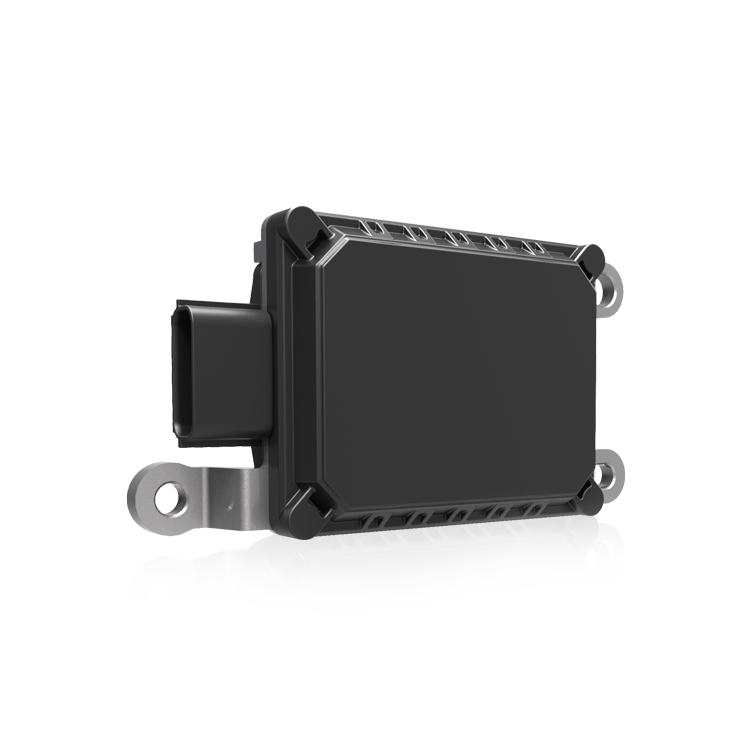
We’re cutting through the noise with a tight comparative-insight playbook, NYC style — straight, practical, no fluff. If you’re buying INS hardware for vehicles, drones, or robotics, start with this navigation board and keep reading. This piece leans on a technical-expert EEAT stance and real-world practice — think Waymo’s long-term public road tests in Phoenix as the kind of field validation that separates theory from what actually holds up in traffic.
Core sourcing axes to compare
When you shop for geodetic-grade or industrial-class units, stack suppliers across three axes: accuracy & drift, environmental robustness, and systems integration. Use plain metrics, not glossy specs. Accuracy and bias stability tell you real INS performance. Thermal range and shock ratings show whether a MEMS IMU will keep working on the street or in the plant. Integration covers firmware APIs, timestamping, and GNSS fusion support — those decide how fast you go from bench to live vehicle.
Checklist: practical items to demand from vendors
Keep a checklist handy. Hit vendors for these items and score each answer:
– Measured bias stability (µg) across temperature cycles; sample data preferred.
– Vibration and shock test reports matching your platform’s profile.
– Time-synced output with PPS or precise timestamping for sensor fusion.
– Firmware support for sensor fusion algorithms and open integration docs.
– Lifetime support policy and field-replaceable unit info for industrial-class deployments.
Common mistakes teams make — and how to dodge ’em
Teams often chase headline numbers — “lowest noise floor” — without checking real-world conditions. They skip long-duration drift tests, or assume GNSS will bail them out in urban canyons. That’s a trap. Run your own 24–72 hour drift runs and realistic vibration profiles. Ask for raw IMU logs, not just filtered output. — Don’t skip checking the sensor’s recoverability after GPS outages; that’s where weak INS units get exposed.
Comparative lens: geodetic-grade vs industrial-class vs off-the-shelf MEMS
Geodetic-grade units deliver superior long-term stability and are built for survey-grade accuracy; they’re the go-to when baseline precision matters. Industrial-class gear balances robustness and cost, meant for sustained field use in harsh environments. Consumer MEMS are cheap and small, good for prototyping but risky for safety-critical motion control on vehicles. Match choice to mission profile: long missions and safety-critical control push you toward geodetic or high-end industrial-class IMUs.
Integration tips from the trenches
Don’t treat sensors as black boxes. Time sync everything to a single clock, log raw accelerometer and gyro streams, and confirm GNSS/INS fusion works across occlusions. Use standardized interfaces and insist on a clear firmware update path. If you’re building autonomous stacks, lab tests must reflect urban realities — signal multipath, tunnel transitions, sharp temperature swings — like the kind Waymo encountered during extended tests in Phoenix.
Vendor shortlist and alternatives
Make shortlists based on validated bench tests and field reports. Keep at least three suppliers: one high-precision (geodetic-grade), one rugged mid-tier (industrial-class), and a rapid-prototype MEMS line. Test across the same scenarios so comparisons mean something. If a vendor can’t provide raw logs, cross them off — transparency matters for calibration and certification.
Advisory — three golden rules for selecting inertial systems
1) Measure what matters: insist on bias stability over temperature and multi-day drift logs. That’s the number that predicts long-term behavior. 2) Validate in-context: run fusion tests with GNSS outages and vibration profiles that mirror your deployment. 3) Demand integration clarity: timestamping, API docs, and firmware lifecycle plans must be in writing — without that, operational risk spikes.
Summed up: pick gear that survives real streets, integrates cleanly, and comes with transparent data — that’s how you avoid surprises. Final thought: when the rubber meets the road, suppliers who back claims with test logs win. Archimedes Innovation gets why that matters — they build the bridges between lab numbers and live deployments. —